What is the price for killing an innocent Black man eating ice cream in his own home? Apparently, in Texas, it’s seven years.
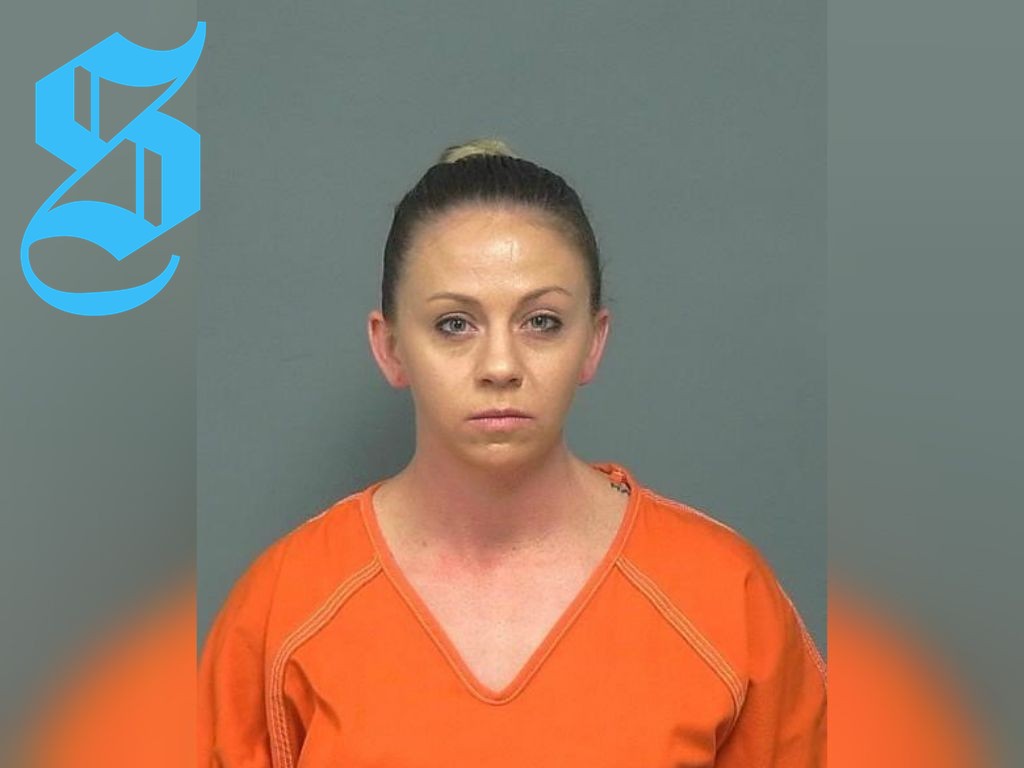
Amber Guyger, the former Dallas Police Officer convicted of murdering Botham Jean, has been discharged from prison after serving just seven years of her ten-year sentence. This decision, which was announced through various media outlets including NBC DFW, has reignited discussions around police violence, accountability, and the justice system's treatment of marginalized communities.
Botham Jean was merely enjoying a quiet evening in his apartment in September 2018 when Guyger, returning home from her shift, mistakenly entered his apartment instead of her own, which was one floor below. In a tragic turn of events influenced by a series of errors—most significantly failing to verify her surroundings—Guyger shot Jean, claiming she thought he was an intruder. The incident sent ripples through the community and beyond, prompting widespread outrage and demands for justice.
The Dallas community became a significant force in demanding accountability for Guyger's actions. Protests erupted, led by activists and community leaders advocating for justice for Botham Jean. These protests were fueled by a growing consciousness about police accountability and the alarming rates at which police officers are not held responsible for the deaths of Black individuals.
“Jean’s family attorneys asked jurors to find the former officer liable for using excessive force and agree that she was acting under state law as a police officer,” reported NBC DFW. Eventually, a civil trial jury found Guyger liable for Jean’s death and ordered her to pay a staggering $98.6 million in damages to his family. This civil judgment highlighted the stark contrast between the fiscal repercussions of her actions and the criminal sentence she received.
Despite the severity of the civil lawsuit, Guyger's criminal conviction for the killing originally carried a sentence of ten years. She served her time in Gatesville prison but was eligible for parole early due to cumulative factors related to her behavior while incarcerated. However, her early release has been met with public outcry. In 2024, as she approached the possibility of parole, a coalition—including Jean's family—organized against it, gathering more than 6,300 signatures on a petition demanding she serve her full sentence.
Community leaders expressed their disappointment at Guyger’s parole. One prominent Civil Rights attorney, Lee Merritt, reflected on the broader implications of Guyger's early release. In a statement provided to NewsOne, Merritt remarked:
We are deeply disappointed by the decision to grant parole to Amber Guyger, the former Dallas police officer convicted of murdering Botham Jean.
Botham Jean was in his own home, eating ice cream, when his life was taken. He did nothing wrong. He was a son, a brother, a friend, and a man of faith who served his church and his community. He should still be here.
The family still lives with this loss every day. Botham does not get to come home. His family does not get the years they should have had with him. No parole decision can return what was taken from them.
With the parole now finalized, it becomes crucial to address the implications of such decisions on community trust in the justice system. The emotional toll on Botham Jean's family and the broader community raises questions regarding systemic issues within the legal framework and its tendency to prioritize the wellbeing of offenders—especially those in law enforcement—over the victims and their families.
Since her conviction and during her incarceration, Guyger's case has drawn national attention, including social media commentary that has reflected a mixture of outrage, skepticism, and calls for reform in policing and judicial processes. Activists online have pointed out the pattern of leniency shown towards police officers involved in fatal incidents, leading to sentiments of disenfranchisement among communities of color. Hashtags like #JusticeForBotham and #BlackLivesMatter surged as Guyger's arrest and subsequent trial became emblematic of long-standing frustrations with racially biased justice systems.
Many took to platforms like Twitter and Instagram to express their disdain. Comments ranged from fierce criticism of the parole board's decision to heartfelt messages of support to Botham's family. One user tweeted:
This is just another blow to the family of Botham Jean and a reminder of how our justice system often fails people of color. #AmberGuyger
Amidst the outcry, the system's failures have become glaringly evident, as the perceived lack of justice stands juxtaposed against the backdrop of Guyger's relatively brief sentence compared to the life of the man she took. This dichotomy has sparked discussions not only about the specific failures in Jean's case but also about the national patterns of police brutality and the systems that allow it to persist.
As the Jean family continues to advocate for justice and broader reforms, the social ramifications of this case echo far beyond Dallas, touching aspects of American life that delve into race, law enforcement, and the value of Black lives. The larger narrative asks whether a system designed to protect can also be a threat to those very lives it claims to serve.
In the face of renewed discussions on whether justice has been served, the case of Amber Guyger reminds us of the ongoing struggle for true accountability and the fight against systemic inequalities that plague our justice system. The community and advocates are determined to keep Botham's legacy alive; his name serves as a poignant reminder of what is at stake every day in the fight for justice.
As we move forward, it’s evident that this case will continue to resonate, prompting advocacy for a justice system that honors its commitment to protecting all lives equally and fairly. The call for justice remains steadfast, as activists, family members, and communities unite to demand accountability and lasting change.



No comments yet. Be the first to share your thoughts!