
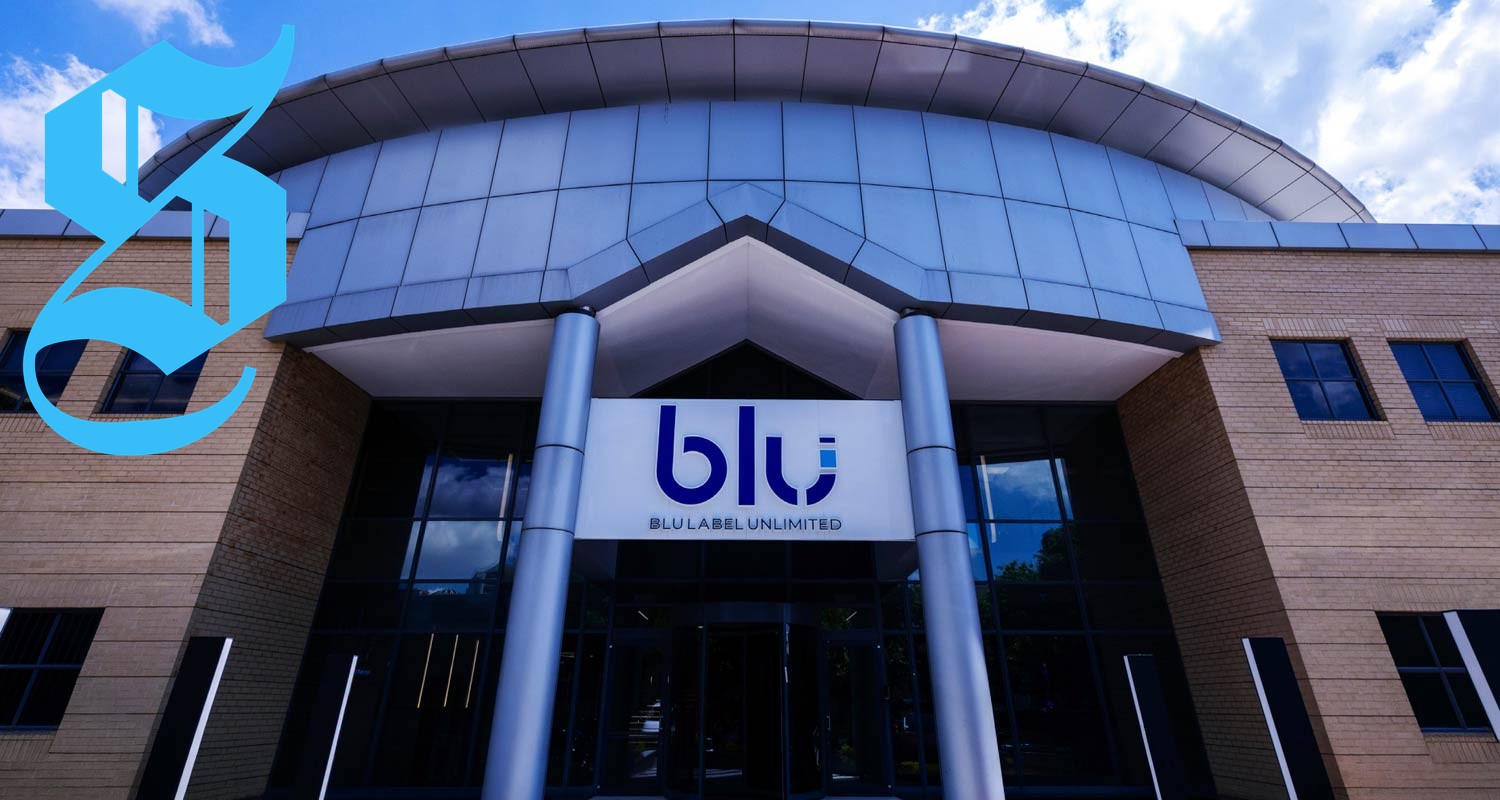
Blu Label Unlimited Group, a prominent telecommunications and technology services provider in South Africa, has recently released its integrated annual report for the year ending May 2026, shedding light on the disparities in executive compensation within the company. The figures reveal a stark pay gap, especially against the backdrop of corporate performance and the company’s significant restructuring efforts linked to its stake in Cell C, a notable mobile network operator.
According to the report, Blu Label’s highest earner pocketed an astounding R36.5 million, a figure that is approximately 470 times greater than the R77,400 earned by the company’s lowest-paid permanent employee. A closer look at the remuneration structure exposes a considerable gap in earnings, highlighting the complexities and ethical considerations surrounding executive pay structures in large organizations.
The median income for employees within the company stood at R495,000, meaning that the top earner earned roughly 74 times more than this median figure. Further dissecting compensation reveals that the top 5% of earners earned 75.3 times that of the bottom 5%. These calculations include salaries, bonuses, and incentives processed through the payroll but do not specify the identity of the highest earner.
"The substantial pay for executives often raises questions about equity and the responsibility that comes with such compensation, especially during periods of financial turbulence."
Amidst this scrutiny, Joint CEOs Brett and Mark Levy each received R33 million, indicating a decrease of 12% from R37.4 million the previous year. This reduction can partially be attributed to the challenges faced in the financial year, primarily due to the complexities surrounding Cell C’s restructuring and listing. Meanwhile, Financial Director Dean Suntup saw a 9% increase in his salary, totaling R18.7 million, buoyed by a significant one-time bonus of R2.5 million for his role in the Cell C restructuring process.
Interestingly, although the remuneration appears hefty, the bonuses awarded were below full targets. For instance, the Levys’ short-term incentives paid out at 60% of their fixed pay, significantly lower than their target of 100% and a maximum potential of 150%. Suntup's performance bonus, excluding the one-off payment, amounted to only 42% of his fixed pay, illustrating the challenges that the company faced in generating the required performance metrics needed for higher bonuses.
Cell C's Influence on Executive Compensation
The toll of the restructuring and operational steering of Cell C loomed large over Blu Label's financial outcomes. While the company posted a significant loss partially attributed to the accounting for Cell C’s incorporation and structure, normalized earnings showed resilience, leading to the reinstatement of dividend payments for the first time in eight years. This complex landscape underscores the need for corporate accountability.
Normalised EBITDA (earnings before interest, tax, depreciation, and amortization) was reported at R620 million, falling short of the R790 million threshold that triggers bonus payouts. The shortcomings in these financial metrics highlight the difficulties companies face when integrating new acquisitions and the cascading effects this can have on executive rewards.
The remuneration committee made the decision to exclude Cell C from bonus measures, arguing that the accounting ramifications arising from its acquisition and subsequent restructuring could not be factored into the annual business projections. This decision further complicates the relationship between executive pay and company performance.
"The decision to exclude certain metrics from the bonus calculation is a telling factor in how companies navigate financial challenges while attempting to maintain executive incentives."
When it comes to long-term awards, the committee’s decision-making patterns reveal an interesting approach. Each Levy was awarded 1.82 million shares at an initial issue price of R3.22. Seventy percent of these shares are expected to vest, which would provide each Levy with over R11.7 million in value at the time of the report, given the steep increase in Blu Label's share price. As the shares are scheduled to vest in August 2026, their future valuations could be significantly affected by the performance of both Blu Label and Cell C.
Furthermore, the earnings attributed to Cell C were included in the long-term plan's earnings test. Although Cell C reported a net profit of R4.16 billion, the remuneration committee adjusted this figure significantly, stripping out R3.02 billion related to restructuring costs and other expenses. This careful navigation through the metrics ensured that Blu Label remained compliant with its performance-based compensation structure while also safeguarding shareholder interests.
Amidst all these developments, shareholders have become increasingly pivotal in shaping the narrative around executive compensation. Support for Blu Label's remuneration policy solidified from 58% at the 2024 Annual General Meeting (AGM) to 80% at the 2025 AGM, indicating a growing consensus among stakeholders about the appropriateness of the pay structures, despite the underlying controversies associated with executive salaries.
"The increasing shareholder support suggests a level of trust in the leadership's direction amid financial restructuring and provides an interesting angle regarding the overall corporate governance landscape."
Additionally, it was noted that the Levys maintain a substantial stock ownership of Blu Label, far exceeding the minimum requirements for executives. Brett Levy holds shares worth 51.8 times his fixed pay, while Mark Levy’s shareholdings are valued at 46.5 times, vastly more than the mandated two times fixed pay.
As the year 2027 approaches, Lindsay Ralphs, who took over as chairman from Larry Nestadt in August 2026, is projected to receive a fee of R2 million, subject to the approval of shareholders. Nestadt's previous fee was slightly higher at R2.53 million, with his total compensation reaching approximately R3.1 million in the 2026 financial year, reflecting the careful balance between executive compensation and accountability to shareholders.
The financial landscape surrounding Blu Label and Cell C provokes broader discussions about executive remuneration practices across corporate structures in South Africa. In a climate marked by both profits and losses, the intricacies of compensation not only reflect company performance but also influence the relationship between executives and their stocks.
In conclusion, as Blu Label navigates the challenges posed by its investment in Cell C, the repercussions on executive compensation and the ethical implications surrounding pay disparities will continue to draw close scrutiny from shareholders, employees, and the public. Balancing these interests will be fundamental for the company as it strives to enhance its reputation and reinforce its corporate governance frameworks.
— © 2026 NewsCentral Media



No comments yet. Be the first to share your thoughts!