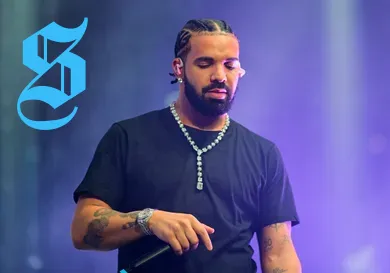
Things have been tumultuous for Stake as 2025 closed, with a wave of negative publicity and class-action lawsuits now involving notable figures like Drake and Adin Ross. A recent civil lawsuit filed in Virginia has ignited an extraordinary legal battle at the crossroads of entertainment, gambling, and financial ethics, accusing the trio of illegal gambling practices, misleading marketing strategies, and strikingly, civil RICO violations—typically associated with organized crime.
While headlines quickly jumped to label it as 'Drake hit with a RICO,' it's essential to clarify that this is a civil matter and not a criminal indictment. However, the severity of the claims—asserting violations of the Racketeer Influenced and Corrupt Organizations Act and consumer protection laws—profoundly complicates the conversation.
What The Lawsuit Is Actually Claiming
The lawsuit contends that Stake.us, the U.S. segment of the global e-casino Stake.com, operates illegally while masquerading as a “social casino” to evade American gambling regulations. Plaintiffs argue this misrepresentation enabled Stake.us to function across the nation, including in states where online gambling is prohibited. They claim that users were misled into believing they were engaging in risk-free entertainment while being nudged toward real-money gambling activities.
How Stake.us Is Allegedly Operating Illegally
The core of the lawsuit revolves around Stake.us’s in-platform currency system. Although it claims no real-money gambling occurs, the plaintiffs assert this is misleading; each purchase of virtual “Gold Coins” is coupled with “Stake Cash,” redeemable for real-value assets like cryptocurrency or gift cards. According to the complaint, users wager Stake Cash on casino-style games including slots and roulette that mimic traditional casino practices, undetected by regulatory bodies.
Drake’s Relationship With Stake, According To The Complaint
Contrary to accusations of being the platform’s founder, the lawsuit depicts Drake as a well-compensated promoter who helped legitimize Stake for countless fans, reportedly earning around $100 million from his promotional efforts. However, the complaint alleges that his influence transcended mere promotion, alleging he received gambling funds through the platform and facilitated substantial transfers that allegedly laid the groundwork for artificial streaming campaigns.
Adin Ross & The Role Of Streaming Culture
Adin Ross finds himself embroiled in the allegations alongside Drake, accused of hosting high-profile gambling streams that promoted Stake.us while blurring the lines of legality. Each stream not only served entertainment purposes but also facilitated large yet unclear financial zip transfers. The lawsuit frames Ross as a vector normalizing Stake.us for younger audiences, suggesting that together with Drake, they masked a troubling flow of funds.
The Controversial “Tipping” System
High stakes surround the plaintiff's claim about Stake.us’s tipping feature. This mechanism allegedly enabled large, low-transparency transfers, allowing Stake.us to function as not only a gambling hub but a discreet channel for influencer payments and transactions. According to documents, this feature facilitated the movement of funds from Drake and Ross to George Nguyen, linked to various social media accounts, who allegedly conspired to artificially inflate Drake's streaming numbers.
The Allegation: Funding Artificial Streaming and Botting
The most eye-catching claim in the lawsuit is that funds from Stake.us directly financed artificial streaming campaigns. According to the plaintiffs, this maneuver included directing proceeds onto bots and amplification networks to deceitfully inflate Drake's streams and alter his charts positioning, concealing the operation from public scrutiny.
Why RICO Is Being Used In A Civil Case
The use of RICO terminology signals the plaintiffs’ assertions of a persistent, organized effort involving illegal gambling and manipulation of digital marketplaces. Allegations suggest that Stake.us, Drake, and Ross collectively functioned as a cohesive entity, profiting while skirting regulatory oversight. Could this groundbreaking suit reshape accountability standards in both the gambling and music industries?
Consumer Harm & Lawsuit Goals
The plaintiffs, Tiffany Hines and LaShawnna Ridley, argue that they were misled into gambling due to Drake's endorsements, suffering financially and facing potential addiction. They seek class certification, damages of at least $5 million, and reforms to mandate transparency in Stake.us operations. The co-founder of Stake remains unperturbed, claiming confidence in overcoming legal challenges.


No comments yet. Be the first to share your thoughts!