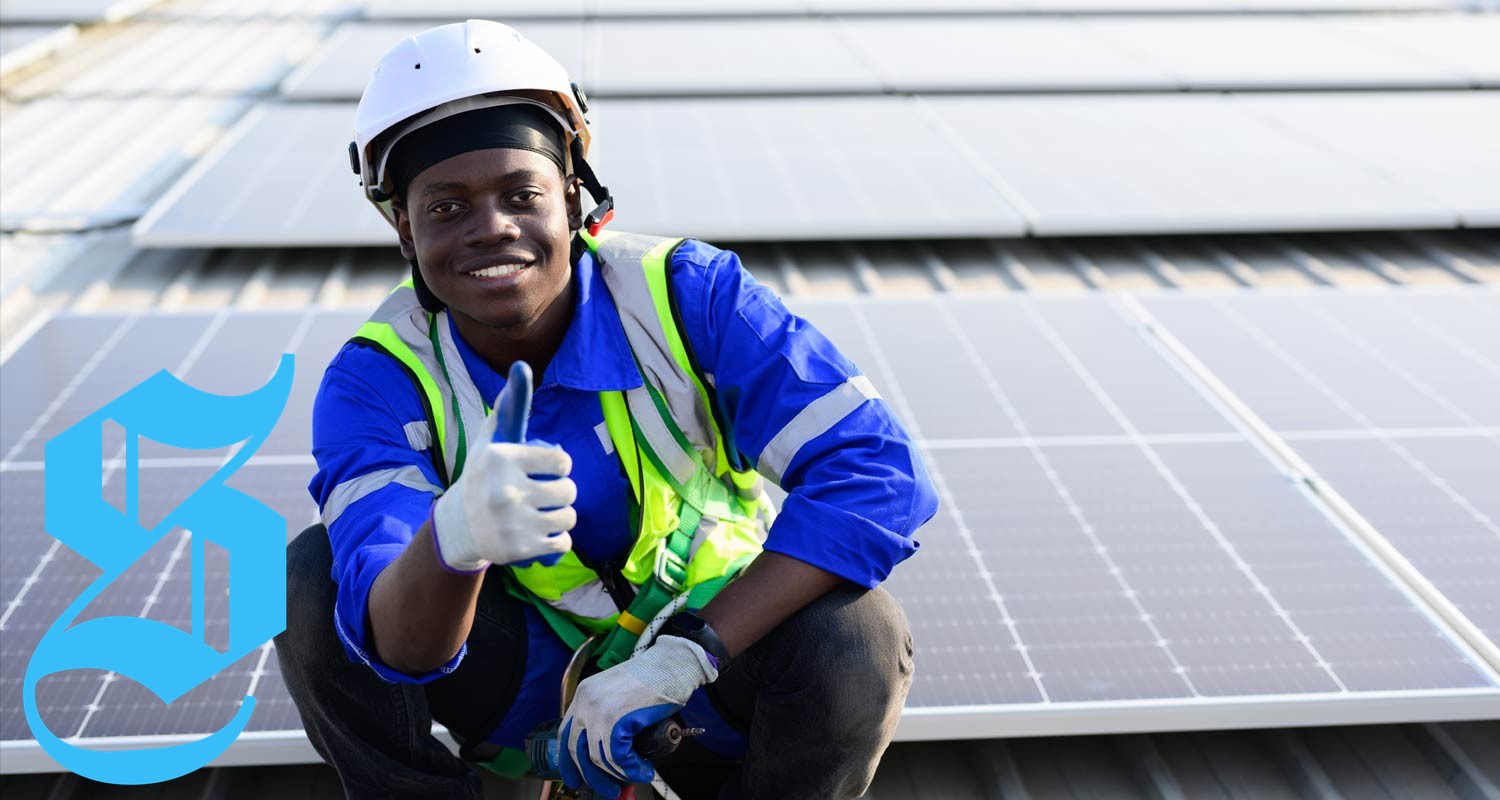
Eskom's recent announcement to extend the waiver of registration fees for small rooftop solar systems has sparked renewed discussions in the energy sector of South Africa. This decision, which eliminates the impending 30 September deadline for registering these systems, is seen as a pivotal moment for both consumers and the utility company. The waiver, ostensibly a move to encourage the uptake of renewable energy, however, raises questions about the necessity of registration itself.
Eskom stated that the waiver will now continue indefinitely for customer-owned generation systems of up to 50kVA that are connected directly to its distribution network. The utility has maintained since March 2023 that households with these installations would not incur registration fees or costs for bidirectional smart meters, which provide crucial data on electricity usage and generation.
From a cost perspective, the waiver has significant implications for consumers, particularly those who have invested heavily in rooftop solar installations. The absence of fees—including those for smart metering, which can reach as much as R10 000 for urban customers—creates a more affordable pathway for households looking to reduce their reliance on Eskom’s often unstable power supply.
This is good progress, and we appreciate that Eskom has listened to the concerns raised by Outa and the public.
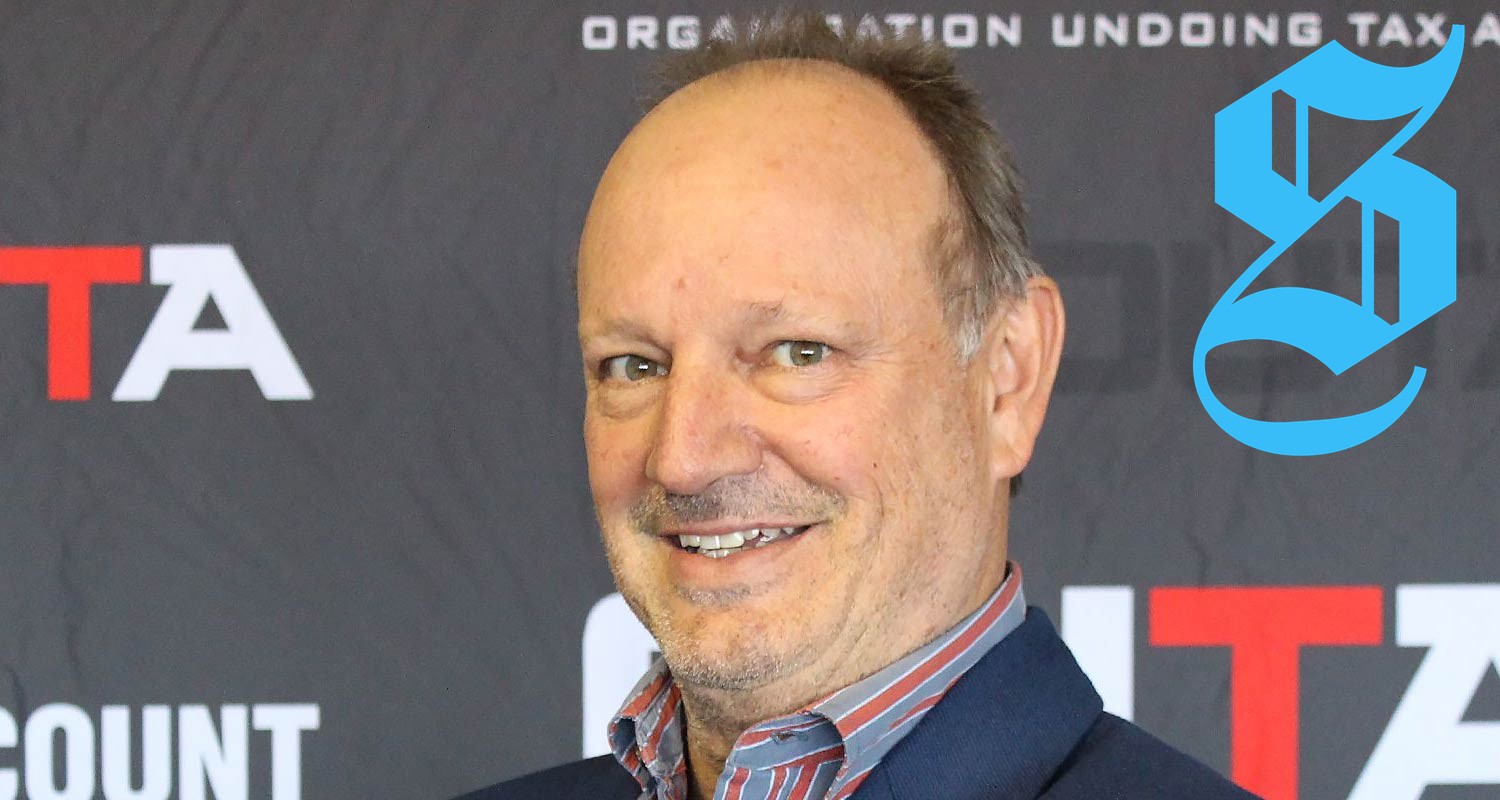
Outa's CEO, Wayne Duvenage, expressed a cautious optimism.
“People have spent significant amounts of their own money installing solar because electricity has become increasingly expensive and, for many years, unreliable. They should not then be penalised with unnecessary fees and administrative hurdles for reducing their dependence on the grid,”he remarked. This highlights the frustrations that many South Africans feel regarding escalating electricity costs and the complexities of navigating compliance with Eskom’s regulations.
The Compulsory Registration Clause
Notably, while Eskom has removed the financial barriers through the waiver, it insists that registration remains a compulsory step under the Electricity Regulation Act of 2006. This provision has come under scrutiny from Outa and other advocacy groups, who question why such requirements are necessary for systems that do not export power back to the grid. Eskom argues that registration allows it to manage grid stability and safety effectively, saying it provides “installation-specific information needed for network planning, voltage management, equipment protection, fault analysis and the safety of employees and contractors working on the network.”
According to Eskom, the registration requirement stems from regulations that apply to the interconnectedness of solar installations to the national grid. As it stands, systems below 100kW must be registered either with Eskom or local municipalities, while larger systems must go through Nersa, the national energy regulator. Notably, systems entirely off the grid are exempt from registration, indicating a policy direction that is still tightly tied to the grid’s operational integrity.
International Practices Illuminate the Debate
In an effort to justify the registration requirement, Eskom referenced its own review of international electricity markets, wherein notification or approval processes for customer-owned generation systems are common. This argument, however, is met with skepticism. Critics argue that South Africa's energy landscape is different in many respects, and many places have adopted more flexible approaches to encourage solar adoption.
Supporters of solar energy, including various industry stakeholders, have pointed out that while registration can be beneficial for grid management, it should not be a cumbersome barrier for consumers. The South African Photovoltaic Industry Association (SAPVIA) recently stated that they back registration for safety grounds, suggesting alignment with international practices, but this does not eliminate the need for thorough public engagement regarding these policies.
Eskom is a foundational pillar for regulated energy systems; however, it must adapt to an evolving landscape.
Duvenage, however, is unconvinced by these arguments.
“The various fees and meter upgrade costs may have been taken off the table for now, but the bigger question remains: why should a household be compelled to register a safe, compliant solar system that sits behind its meter and does not feed electricity back into Eskom’s network?”This statement resonates with many consumers who feel that as grid independence becomes more viable, regulatory frameworks need to evolve in step.
There’s also a growing call for clearer communication from Eskom on what practical problems the registration requirement solves. Outa contends that many have embraced solar energy as a reaction to soaring costs and unreliable supply, and further bureaucratic hurdles may deter more homeowners from considering this sustainable option.
Shifting Regulatory Landscape
In the past, Eskom's firm stance on registration has been a cause for concern among homeowners eager to adopt solar energy. Numerous reports surfaced in early 2023 about Eskom’s strict measures threatening disconnections or fines for those who failed to register, creating anxiety and further complicating the decision-making process for potential solar adopters.
However, a shift in Eskom's tone has been observed recently, reflecting a change in strategy. After engagements with Outa, Eskom confirmed it would not simply cut off power or levy fines on those who did not register their systems, suggesting a more collaborative approach moving forward.
It’s worth noting that while the waiver applies directly to customers supplied by Eskom, municipal regulations may bring about different requirements, adding another layer of complexity for homeowners. Outa urges customers to investigate these implications, as navigating local by-laws may prove as challenging as negotiating with Eskom itself.
Conclusion: Navigating the New Normal
As South Africa continues to grapple with energy shortages and rising costs, the conversation surrounding rooftop solar installations and regulation is increasingly vital. Eskom's decision to waive registration fees marks a significant step; however, the underlying issues of compulsory registration persist.
The ongoing debate encompasses consumer rights, utility regulation, and the future landscape of renewable energy in South Africa. For many homeowners, the pivot to solar represents not only a financial investment but also a commitment to sustainability.
As discussions unfold, stakeholders from all sides—government, utility companies, advocacy groups, and consumers—must work collaboratively to ensure a thriving energy landscape that encourages innovation while safeguarding regulatory integrity. Consumers yearning for independence from the grid will hope that this engagement leads to a more responsive regulatory framework that serves their interests.
As South Africans adapt to a future increasingly characterized by renewable energy sources, clarity and cooperation among all parties will be crucial in shaping an energy transition that is equitable, efficient, and sustainable.



No comments yet. Be the first to share your thoughts!