
In a significant move towards modernization, South Africa’s green ID book—a relic of the past—will be phased out as a valid form of identification by March 31, 2028. This decision was announced by Home Affairs Minister Leon Schreiber during a vital address signaling the halfway point of the government of national unity’s term.
According to Schreiber, the production of the green ID book will cease a year earlier, on March 31, 2027. He emphasized that the machines responsible for creating this outdated identification document would be permanently shut down and decommissioned by that date. Schreiber’s announcement means that approximately 14.7 million South African citizens and permanent residents must transition to the smart ID card within a year of the production ceasing.
Related: South Africa’s digital ID is here – but you can’t have it yet
One of the integral facets of this transition involves extending smart ID card eligibility to groups historically overlooked, such as naturalized citizens, permanent residents, and South Africans residing abroad. Schreiber assured that first-time applicants, as well as individuals over the age of 60, would continue to enjoy a fee waiver for their applications.
Schreiber linked the decision to concerns regarding document fraud, highlighting that the paper-based green ID book, with its manually affixed photograph, was considered one of the most frequently untrustworthy documents within the continent. He referred to it as a “critical pull factor” for illegal immigrants seeking fraudulent documents. This points to a broader societal concern where outdated systems foster a culture of malpractice and corruption, thereby hindering progress.
The timeline surrounding the discontinuation of the green ID book reflects President Cyril Ramaphosa’s prior commitment made in June to finalize a cutoff date for its recognition. Earlier announcements had suggested a potential 2029 elimination, showcasing the urgency and significance of this modernization effort.
The Expansion of Smart IDs
Central to this phase-out is the digital modernization initiative that Schreiber has championed since assuming office in 2024. A key aspect includes a partnership with various bank branches across the country, allowing citizens to apply for their smart ID cards conveniently. As of now, there are 515 bank branches providing walk-in services for smart ID replacements, with no appointment required. The process is swift, taking as little as five minutes, drastically improving the outdated ID application systems.
Since the launch of this initiative in March, over 822,000 South Africans have utilized this service. Schreiber celebrated this achievement, asserting that by the end of 2026, smart ID services would be accessible at over a thousand service points—a significant uptick from just 214 locations available before the establishment of the government of national unity. This move is indicative of a concerted effort to modernize identity management in the country.
Capitec Bank has emerged as a front-runner in this initiative, processing over 594,000 smart ID applications since March, indicating its crucial role in the uptake of smart ID cards. The rapid adoption rates highlight how banking institutions can significantly contribute to enhancing governmental services.
Furthermore, Schreiber announced that passport applications along with first-time smart ID applications would soon be available at bank branches. Additionally, new options for home delivery of IDs and passports by courier are on the horizon, aiming to further disrupt the old bureaucratic systems that previously dominated.
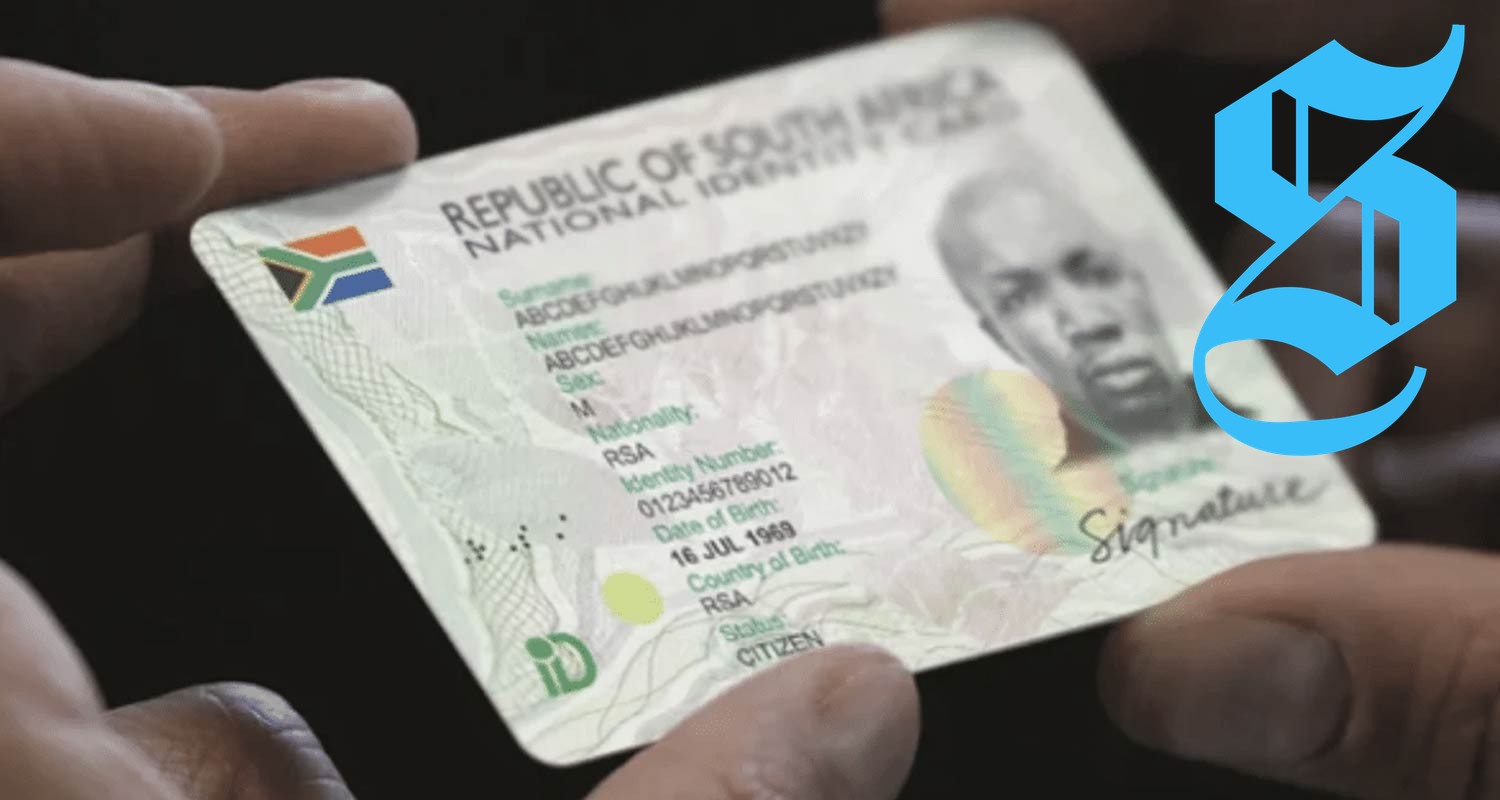
The number of individuals whose sole form of identification was the green ID book has decreased from 16 million to 14.7 million, showcasing the tangible effects of the introduction of smart IDs. In preparation for the complete phase-out, the Department of Home Affairs is gearing up for a robust communication campaign to ensure citizens are informed and prepared for this necessary transition.
This shift to modernize the identification process is part of a broader reform program that Schreiber is spearheading—an initiative that encompasses three cornerstone projects: expanding smart ID services through bank partnerships, implementing an electronic travel authorization system for visas, and developing a digital ID that grants South Africans seamless access to home affairs documents via their smartphones.
These reforms signal a commitment to creating an efficient, transparent, and modern bureaucratic system, bringing South Africa closer to international standards in identity verification and service delivery. Leaping toward digital solutions, the department aims to serve the needs of a fast-evolving digital age, catering to citizens who demand convenience and security.
In the face of criticism over the transition, social media users have expressed a range of opinions. Some citizens have applauded the government's move to alleviate the burden of outdated identification systems. Tweets have flooded social media with statements like:
“Finally, a much-needed change! The green ID book was so old-fashioned.”However, others voiced concerns regarding the adequacy of the new smart ID card system, worrying about potential access problems for rural populations. A voice echoed on platforms like Twitter:
“What about those living in remote areas? Will they have access to these bank branches?”
These differing opinions highlight the complexities of implementing systemic changes in socio-economic environments where access to technology isn’t uniform. As government initiatives proceed, it will be crucial for the government to address concerns regarding digital divide and ensure inclusivity in the rollout of smart ID services.
As the deadline for the green ID book's validity approaches, the government will not only need to focus on technical execution but also on effective communication strategies to engage with communities across South Africa, ensuring that all citizens can effectively transition to the new smart ID card system. Moving away from the green ID book will mark a monumental leap towards a more inclusive and technologically adept society, catering to the needs and expectations of a modern South African populace.



No comments yet. Be the first to share your thoughts!