A dissertation is not merely a lengthy academic paper; at its core, it reflects a commitment to grappling with profound questions and offering novel insights. It necessitates thorough research, enduring curiosity, and a relentless pursuit of wisdom. This laborious endeavor mirrors the complexity of grief—especially pertinent to Black men navigating pain in a world rarely equipped to understand or support them.
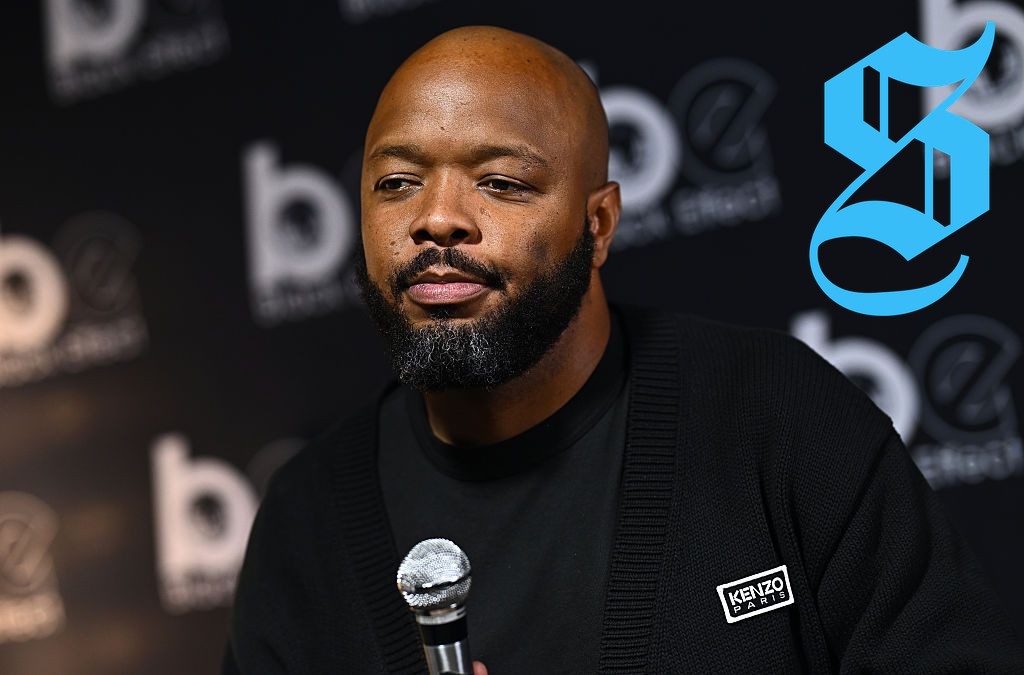
In this spirit, KevOnStage's latest show, Grief Sucks, transcends typical comedy fare, transforming the stage into a poignant exploration of loss, love, and resilience.
As I watched him perform, I couldn't help but reflect on the diverse landscapes of scholarship: humor, life experiences, and even divine intervention guide our understanding, becoming avenues for understanding grief. Through the lens of comedy, KevOnStage addresses the intricacies of grief, especially as they relate to Black men.
This performance is not just entertainment; it functions as a dissertation on Black men's experiences with grief—an underexplored narrative in both popular culture and academic discussions.
At the heart of Grief Sucks lies Kev's personal story—a touching tribute to his brother, Jason Fredericks. The warmth and sincerity infused within the laughter convey essential truths. His methodology is simple yet powerful: using comedy as a tool to process existential pain.
I’m doing a one man show on how much GRIEF SUCKS!
My brother ain’t got NO BUSINESS BEING DEAD. But I’m gone honor him with these jokes. Get your tickets now you gone be dying laughing. (Get it?)
In the world he creates on stage, life after loss doesn't force the bereaved into silence or invisibility. Rather, it invites the audience into an exploration: Black men can experience profound grief without inflicting collateral damage on the people they love.
As I left the show alongside my friend Monroe, we ruminated on this vital thesis: Black men hardly receive the societal grace to grieve openly. Instead, the dominant narratives often show men either retreating into silence or acting out their pain, driving wedges between them and their loved ones.
Black Men's Mental Health Cannot Only Matter In Crisis
The conversation around Black men's mental health has gained momentum, yet it necessitates a shift in focus. Society must also consider the environments in which these necessary discussions unfold—who facilitates them, and the language that makes conversations approachable. Whether it happens in therapy, a barbershop, or the comedy club where KevOnStage blends laughter and reflection, the medium remains vital.
Inside the performance, KevOnStage does not masquerade as a therapist. Instead, he steps into his role as a comic, knitting humor with lessons learned from grief. Early on, he humorously presents an absurd equation designed to illustrate that Jason was more his brother than anyone else’s relative, establishing the evening's vibe: grief is absurd and thus offers hilarity without diminishing its seriousness.
Moments of heartbreak blend seamlessly with laughter, as Kev uses his comedic skill to highlight the ridiculousness of grief—the jealousy it invokes, the way it can surface unexpectedly, turning a serene moment into a painful reminder. He excels at making room for laughter while validating grief's weight.
This Is Black Masculinity Without The Performance
During a particularly striking recollection, Kev reveals his instinct to rush to a comedy show after learning of Jason's seizure. This instinct stems from fear—a fear of confronting the grim reality of loss. Herein lies a moment for critical reflection on masculinity: when a Black man openly states, 'I was scared,' it strikes at the heart of societal expectations surrounding masculinity.
What if being emotionally vulnerable became normalized rather than stigmatized? What happens when those we love don’t have to decipher our silence? Throughout Grief Sucks, KevOnStage embraces a full emotional spectrum—crying, laughing, admitting jealousy, and expressing love and longing for Jason. None of these admissions weaken his masculinity; rather, they boldly redefine its boundaries.
In a world often focused on stoicism as a hallmark of manhood, Kev challenges that notion, demonstrating the richness of human experience and expression that comes with emotional honesty.
We Need To See Black Men Love Black Men, Too
As I absorbed the intensity of Kev's performance, especially with numerous Black men in attendance, I realized this presentation highlighted a seldom-seen narrative. This wasn’t solely a tale of grief, but an affirmation of love. Kev poignantly reflects that Jason had known he was loved—between playful lessons about life skills and sharing moments that shaped their relationship, Jason had become not just a brother, but a multifaceted figure in Kev's life.
By crisis imparting lessons about love rather than regret, the performance struck a chord, reminding us that love between Black men isn't reserved for paternal duties or mentorship. This deeply affectionate bond creates vital connectivity that should be celebrated and normalized.
Toward the conclusion of his routine, Kev shares a tender moment about missing Jason's hugs—those gestures encapsulate countless memories, a shared legacy marked by laughter, unfulfilled dreams, and comfort. This blend of shared history and absence reminded the audience that even amidst humor, profound truths about loss prevail.
The Laughter Is Part Of The Care
One of the performance's intellectual anchors revolves around a striking concept: grief isn’t merely a passage; it is a language unto itself. Unlike journeys with defined endpoints, grief unfolds over time and requires a vocabulary—a lexicon of emotions and experiences.
In acknowledging that grief necessitates fluency rather than completion, Kev transforms his routine into a pedagogy that equips audience members with vital language. He weaves humor and learning, forging pathways to healing: laughter acts as a vehicle for clarity amidst sorrow.
As I left, I mused on the essence of his delivery, likening him to a spiritual guide, a modern-day bishop, who provides profound insights cloaked in humor. His ability to concurrently educate and entertain enriches the audience's journey.
The Cost Of The Art Is Bigger Than The Ticket
However, those attending should also recognize the emotional weight behind his performance. Each night, Kev returns to one of his life’s deepest wounds, confronting grief in a way that honors both his brother and his own journey. The cost of the artistry extends beyond ticket prices, as it requires emotional vulnerability and sacrifice.
By revisiting these life experiences and channeling them back into the community, KevOnStage not only honors his brother’s memory but revitalizes a communal conversation about Black men's emotional struggles and resilience.
Comedians often serve as conduits of culture and educators of experience. Inside the laughter, KevOnStage delivers essential language, fostering dialogue on mental health and vulnerability that often remains unsaid. He draws audiences from various backgrounds, creating spaces for emotional engagement and collective healing.
In a world seeking to affirm Black men's mental health, KevOnStage stands at the forefront, articulating truths that transcend the realm of comedy while enriching the landscape of emotional expression. His performance demonstrates that vulnerability exists alongside strength and showcases that Black men can experience pain without inflicting it upon others. With laughter acting as the entrance to healing, one might wonder whether such revelations often emerge from solemn interventions or, as Kev illustrates, a simple performance on a stage amid shared laughter.
In summary, if a dissertation encapsulates deep exploration into complex questions, then through Grief Sucks, Kev has undoubtedly done the work. His life serves as the university, mourning becomes the field of study, and comedy operates as the guiding methodology through which insights are revealed and lives are transformed.
Our Take
KevOnStage's "Grief Sucks" transcends comedy to become a powerful exploration of grief, challenging societal norms around Black masculinity and vulnerability while providing a much-needed vocabulary for emotional expression.
Quick Answers
What is a dissertation according to the article?
A dissertation is described as evidence that someone has deeply studied a question, offering a new understanding, rather than just being a long paper.
What unique perspective does KevOnStage's performance "Grief Sucks" provide about grief?
"Grief Sucks" presents the idea that a Black man can experience deep pain without harming those around him, challenging common narratives about masculinity and grief.
How does comedy play a role in discussing serious topics like grief according to the article?
Comedy is portrayed as a methodology for discussing grief, allowing people to process their emotions while finding vocabulary and understanding in the experience.
What message does KevOnStage convey about Black men's emotional expression?
KevOnStage's performance emphasizes that Black men can express vulnerability and fear, expanding the definition of masculinity beyond emotional silence.
How does the author view the significance of KevOnStage's work?
The author sees KevOnStage's performance as a form of scholarship, offering care and language for grief while contributing to a broader understanding of Black men's mental health.


No comments yet. Be the first to share your thoughts!