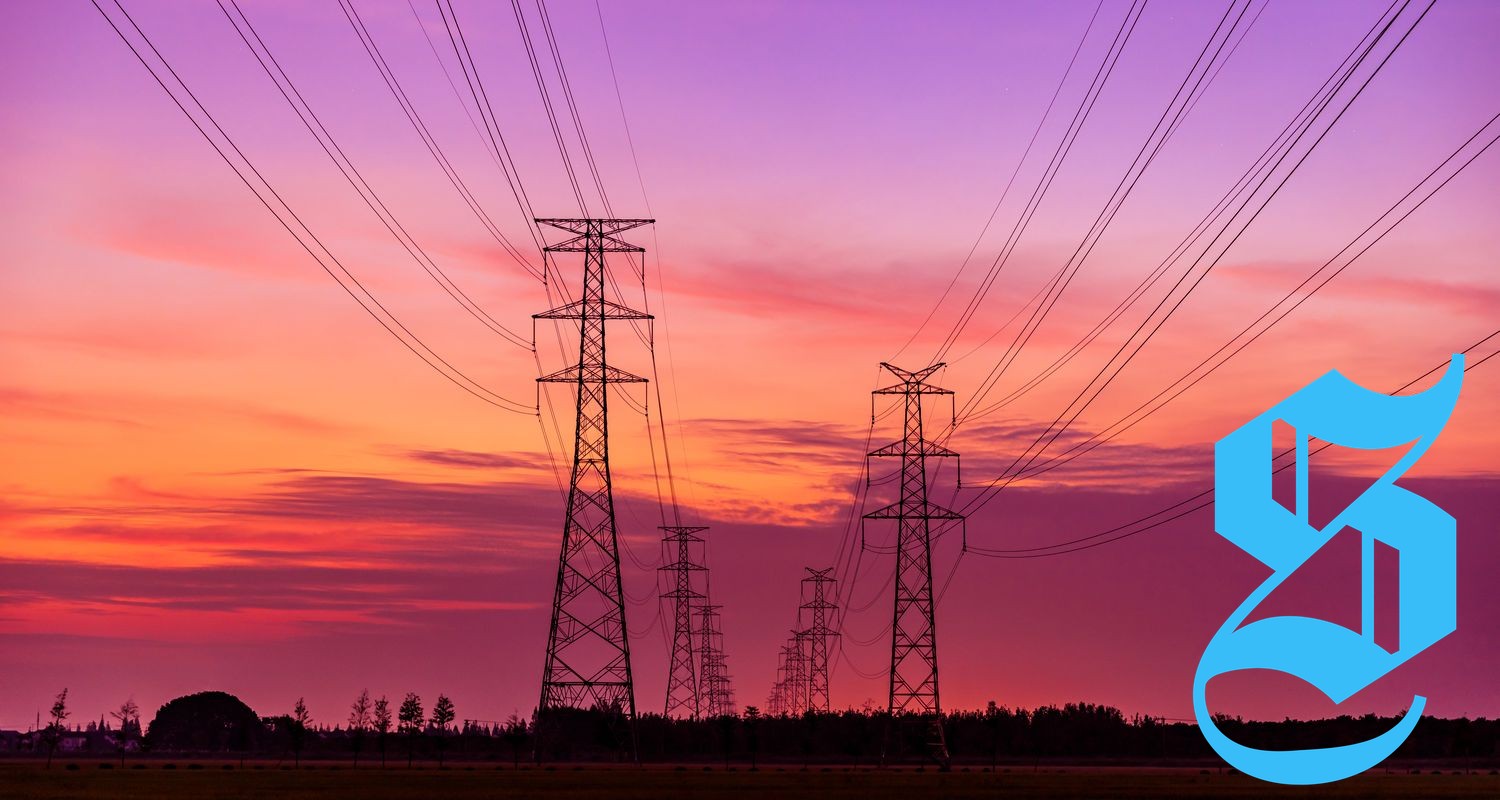
Mobilizing Investment in the Electricity Grid
The independent transmission projects programme in South Africa represents a pivotal moment for the country's energy landscape. As the nation struggles to keep up with its growing energy demands, this initiative aims to mobilise substantial private investment into South Africa’s electricity grid to not only increase generation capacity but to ultimately enhance the accessibility and reliability of electricity across the country. In a country where power outages and load-shedding have become distressingly commonplace, the shift towards an independent transmission system is seen as imperative to achieving the South African government's economic growth targets.
However, the announcement from the Department of Electricity and Energy and National Treasury on October 1 has pushed the Request for Proposals (RFP) timeline from the third quarter of this year to the second quarter of next year. As a result, many stakeholders in the sector express concern that the delay may hamper progress in an already precarious environment.
"It's truly unfortunate that we have to wait longer for what can be a game-changer for our energy infrastructure," said an anonymous industry expert.
While any delay can be disheartening, there is some silver lining. The additional time could allow for further institutional capacity building that is necessary to ensure the process is managed effectively. Rushing to market often leads to poor management, inflated pricing, and ultimately, procurement failures that extend timelines and increase costs. A properly calibrated RFP could lead to a greater chance of success in this critical investment.
One significant development accompanying this initiative is the creation of a credit guarantee vehicle designed to protect investors from credit risks related to the National Transmission Company of South Africa (NTCSA). This vehicle is being collaboratively developed by the National Treasury, World Bank, FSD Africa, and the Development Bank of Southern Africa, indicating a robust support system aimed at fostering investor confidence.
The restructuring of the NTCSA, which involves its unbundling from Eskom alongside the transfer of transmission assets, is poised to create the Independent Transmission System and Market Operator (ITSMO). This will serve as a new counterparty for private investors willing to fund the development of grid infrastructure in South Africa for the first time. With this setup, funding opportunities could become more enticing for private investors who have often been hesitant about entering a market with pre-existing challenges.
However, a lingering concern remains: because the ITSMO is still in the process of establishment, bidders would presently be faced with a counterparty lacking a formal balance sheet or credit history, which inherently introduces risks into the investment equation. The implementation of the guarantee vehicle serves as a risk management tool, but the absence of a creditworthy institutional buyer could deter potential investors.
As such, the timelines surrounding the project are under scrutiny. While the announcement targets the RFP for the second quarter of next year, it lacks a clear commitment regarding subsequent steps, including bid adjudication and negotiations with successful bidders before reaching a financial closure— the point when actual construction can start. A comprehensive timetable for each step of the process would help manage expectations and encourage strategic planning across the board.
The Grid as a Binding Constraint
The urgency of these developments is underscored by the reality that the current state of the electricity grid has become a significant constraint on new generation capacity. If South Africa is to harness resources where electricity generation is inexpensive, these resources must also be effectively transported to areas that require consumption.
Eskom and Business Leadership South Africa (BLSA) echo the need for urgency in finalising the establishment of the ITSMO as they realise that unbundling Eskom's substantial transmission assets into this new entity is paramount. Rapidly concluding this process would build enhanced confidence in the overall investment outlook for the grid, as it would give potential investors a clearer understanding of what they would be dealing with. The ITSMO's potential to purchase grid capacity from investors means that its creditworthiness will heavily influence the risk landscape, and while the guarantee vehicle can alleviate some investor concerns, having a strong buyer in the system would lend additional reassurance.
Interestingly, the first phase of the grid investment only calls for the addition of 1,164 kilometers of new lines, despite the NTCSA's broader ambition to have 14,500 kilometers operational by 2034. This limited phase of procurement must be followed by additional efforts to ensure a cohesive approach to infrastructure enhancement.
The dedication from both the Department of Electricity and National Treasury towards this process has been commendable, and the strides in institutional development should not go unnoticed. Nevertheless, the need for a transparent timetable that clearly outlines the full trajectory to financial closure, as well as reforms linked to the South African Wholesale Electricity Market, remains crucial. Timely execution of these reforms is key to fostering competitive dynamics within the electricity sector, a landscape marred by delays and uncertainty.
The involvement of the private sector cannot be understated. Banks and fund managers play an essential role in investing in grid infrastructure, and there is a concerted effort underway to support Eskom and critical players in concluding the restructuring process carefully.
None of these efforts are made in isolation; the long-term objective is to establish a reliable electricity supply at competitive prices. Such stability is integral to fostering business growth, which in turn facilitates job creation—an economic necessity for South Africa. Staying committed to reform timetables is crucial for accelerating the pace of these developments.
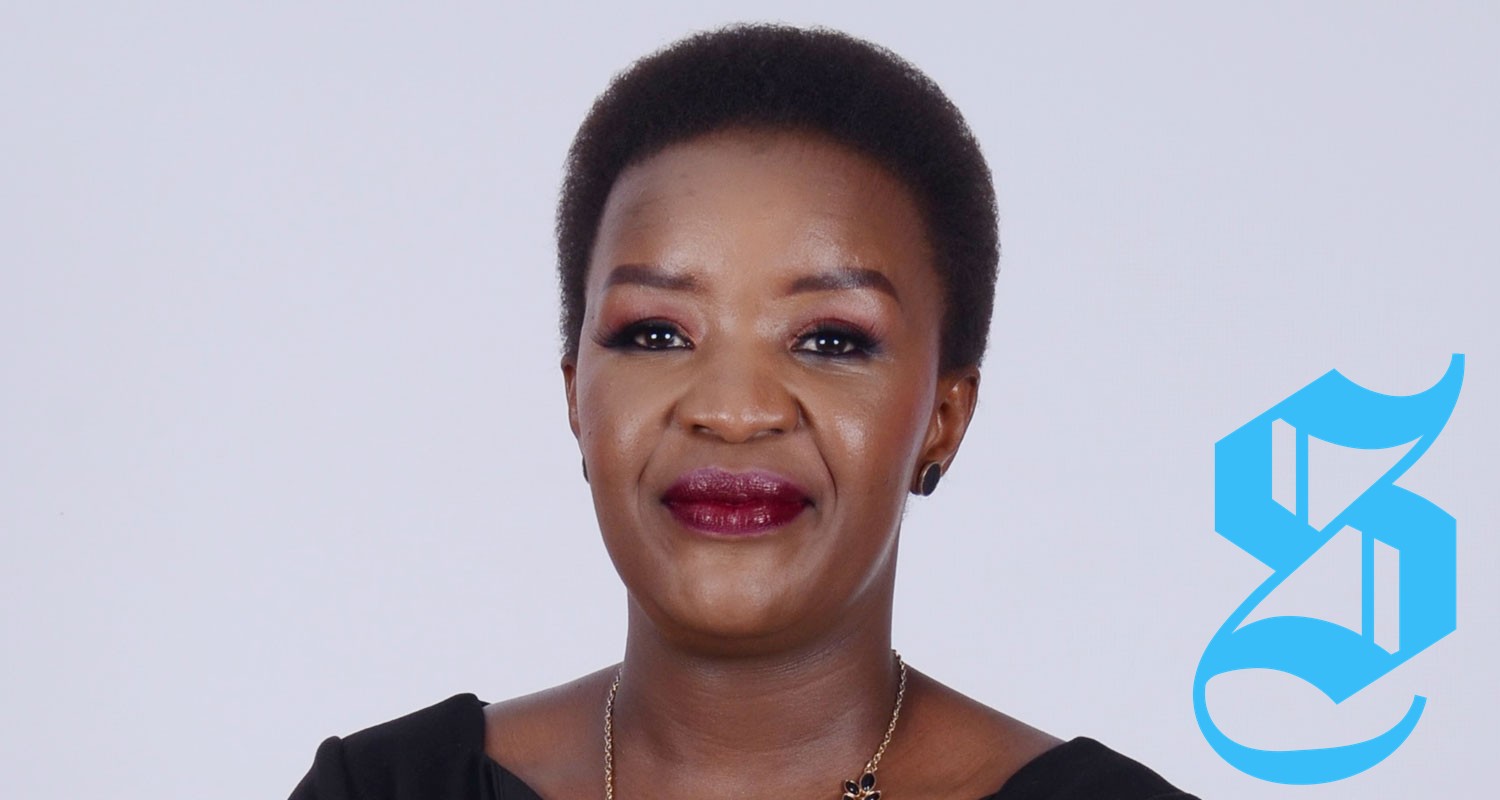
- Busi Mavuso is CEO of Business Leadership South Africa



No comments yet. Be the first to share your thoughts!