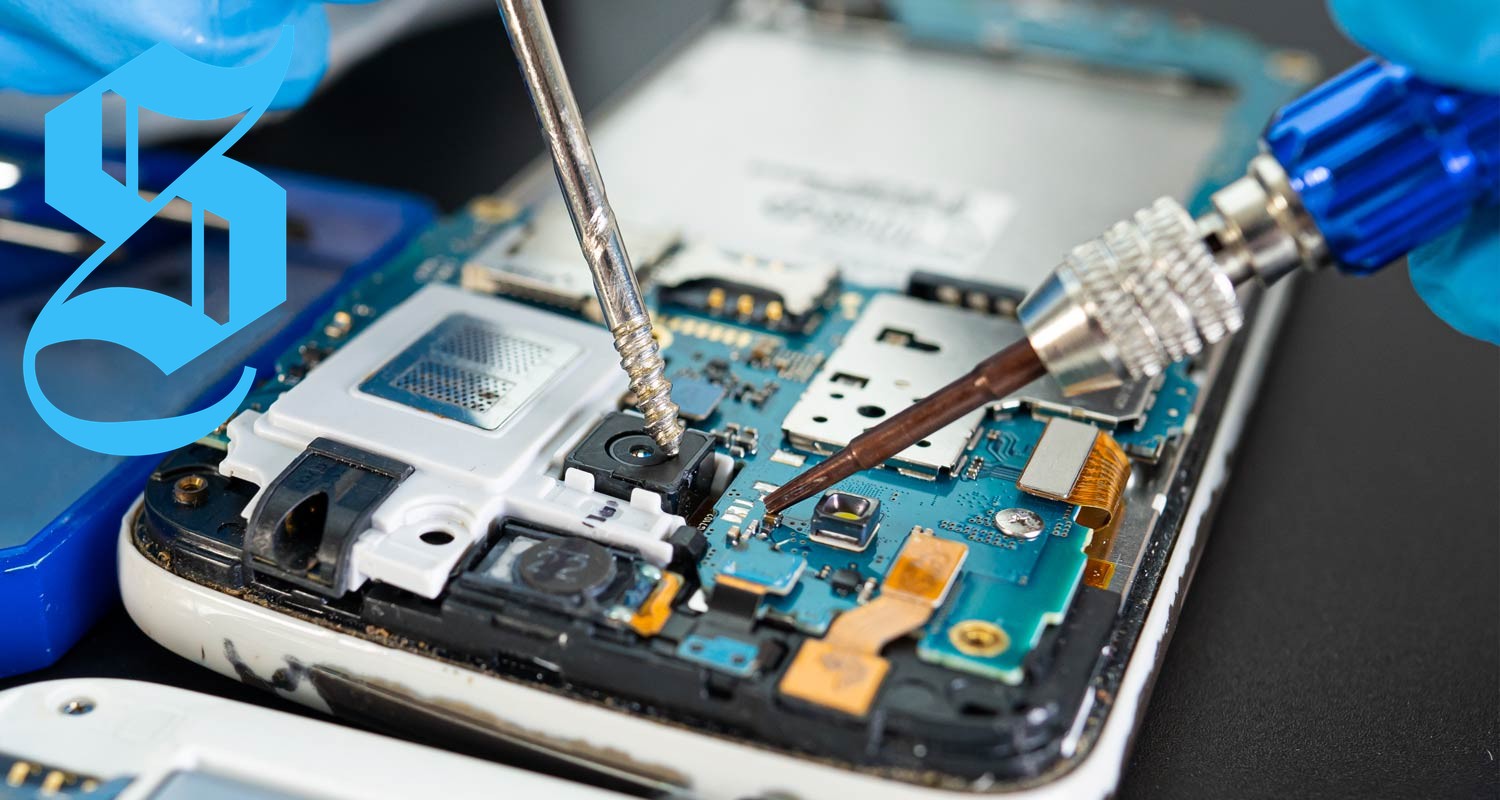
The realm of consumer rights in South Africa is experiencing a significant shift with the Competition Commission's recent introduction of guidelines pertaining to the repair of electronics. This movement comes against a backdrop of increasing demand for greater consumer autonomy in the repair services landscape and aims to empower independent repairers while protecting consumer interests.
The Competition Commission’s Announcement
On a routine Monday, the Competition Commission announced a set of guidelines aimed primarily at smartphone manufacturers and other electronics producers, warning them against practices that could restrict independent repair services. These guidelines have been termed Guidelines on Repair, Service and Maintenance Aftermarkets, and they apply broadly across various products including smartphones, tablets, gaming consoles, household appliances, and even medical devices.
The commission's edict points out concerning practices such as blocking access to spare parts or withholding repair information that could hinder independent repair entities from establishing themselves in the market. More alarmingly, manufacturers that exert pressure on consumers to only utilize authorized service providers could face penalties as these practices have been deemed non-compliant with the existing Competition Act.
“We will treat software that prevents replacement parts from functioning without manufacturer activation, and warning messages displayed post-individual repairs, as indirect restrictions on access to spare parts.”
This is a consequential move for South African consumers, particularly as many often grapple with the repercussions of certain manufacturers employing software that ties components to specific devices—a practice crudely known as “parts pairing.” The Commission clarified that while safety-related restrictions may remain untouched, there are stipulated conditions for how these should be implemented.
Understanding Parts Pairing
Parts pairing involves a technological mechanism whereby hardware and software are interlinked, requiring manufacturers’ discerning approval for any repairs or component replacements to take effect. Naturally, this practice has generated substantial backlash from consumer advocates who argue that it limits the already dwindling spaces available for independent repair technicians to operate effectively.
The Commission believes that practices akin to parts pairing will be thoroughly examined within the realm of competition enforcement, paving the way for potential sanctions if found violating the established norms.
Comparing Global Approaches to Right to Repair
While South Africa is taking significant strides, it is essential to consider how these developments align with global trends regarding the Right to Repair movement. The European Union has implemented binding regulations that obligate manufacturers to maintain spare parts availability for at least seven years after a model has ceased being sold. Moreover, the EU regulations require that professional repairers be granted immediate access to the necessary software to facilitate repairs on paired parts.
“The EU repair directive obliges manufacturers to repair products such as phones and televisions on request, at reasonable prices.”
This juxtaposition between South African guidelines—more reliant on individual case evaluations of compliance with the competition act—and the stringent EU framework showcases a concerted effort to provide consumers with the rights to repair their devices. The South African guidelines maintain a broader scope, including several categories of equipment not covered under EU legislation.
The Call for Consumer Empowerment
The introduction of these guidelines resonates with consumer advocates in South Africa who have long lobbied for a restructuring of repair rights amid mounting frustrations regarding the high costs associated with authorized repairs and the often excessive delays in service. The Competition Commission encourages repairers to actively report any manufacturers that obstruct fair trade practices, promoting a culture of accountability and transparency.
“We urge independent repairers to disclose any anticompetitive actions they encounter from manufacturers.”
Social media platforms have been abuzz since the announcement, with many consumers expressing relief and optimism. For instance,
“Finally, we can fix our devices without being held hostage by manufacturers! #RightToRepair”resonates with a growing movement advocating for consumer freedoms. Others took to challenge manufacturers, tweeting bluntly,
“Stop exploiting us. If it breaks, we should be able to fix it. #ConsumerRights”, underlining a burgeoning desire for self-sufficiency in repair matters.
Looking Ahead
As South Africa embraces this new chapter in consumer electronics repair, industry stakeholders and consumers alike await to see how these guidelines will be enforced. The challenge will lie in the determination of the commission and its commitment to standing firm against manufacturer monopolistic practices that have, for too long, stifled competition and innovation within the sector.
In conclusion, the competition commission's new repair guidelines mark a crucial step towards empowering consumers and fostering a more equitable electronic market environment in South Africa. With constructive inputs from the community and diligent enforcement of these guidelines, consumers may finally gain more control over their electronic devices, paving the way for more sustainable practices in product longevity and repairability.
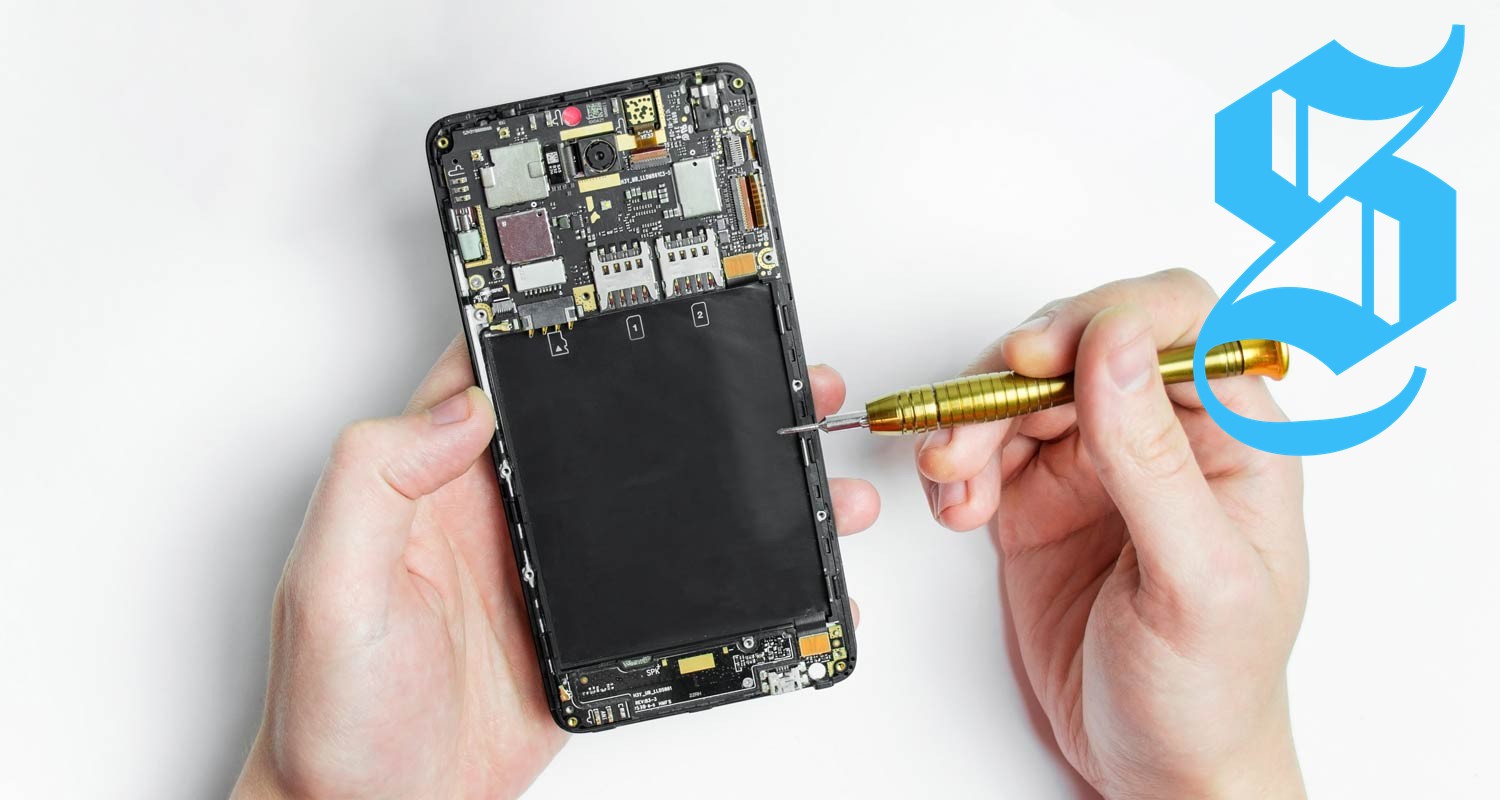
The road to effectively realizing the essence behind the right to repair may be fraught with challenges, but the emergence of regulatory oversight heralds a new era of consumer empowerment in South Africa.



No comments yet. Be the first to share your thoughts!