Introduction
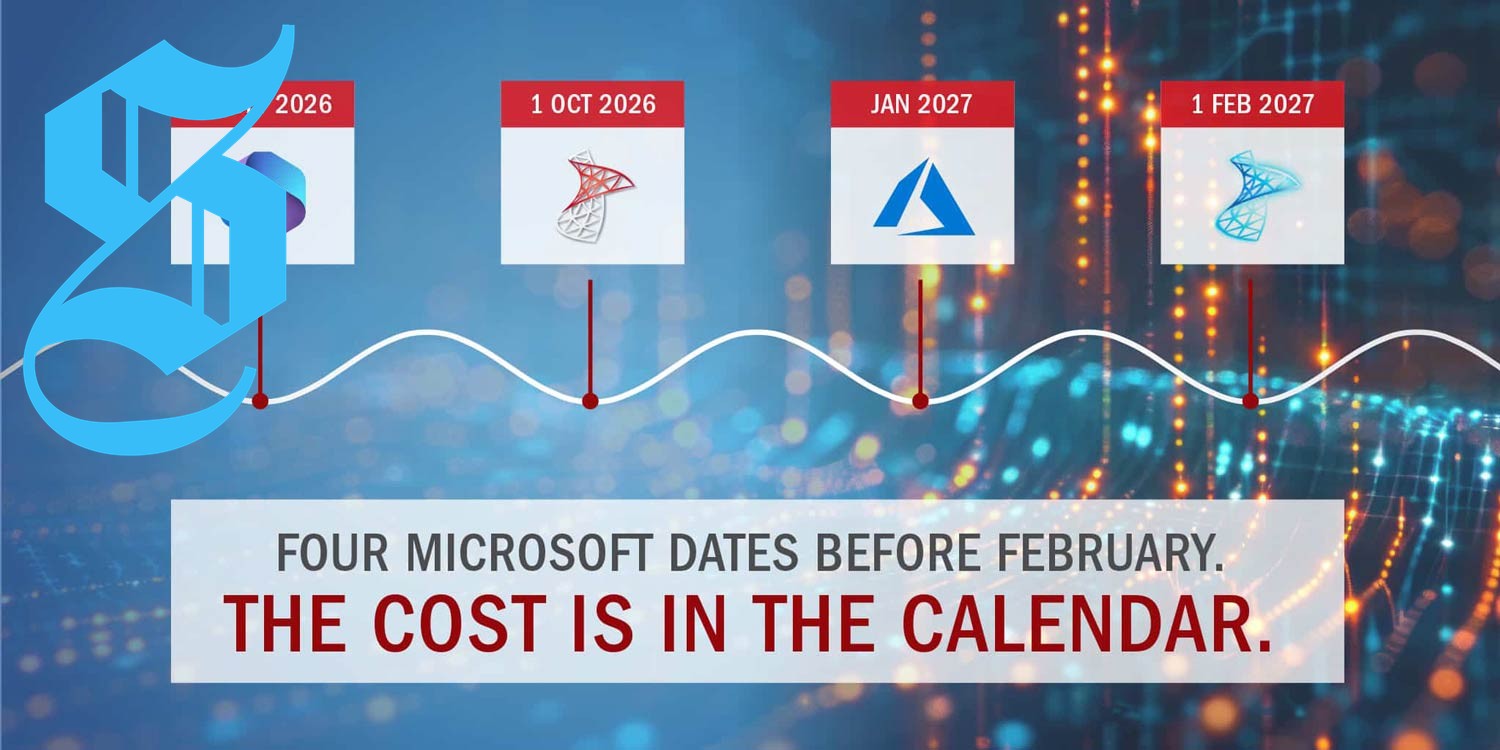
For many businesses relying on Microsoft products, the calendar is more than a schedule; it's crucial for financial planning and budgeting. As companies gear up for the renewal of their Microsoft services, a series of dates loom ahead that could exert significant influence on costs. Understanding how these dates translate to pricing changes is vital for any organization looking to manage its expenditures wisely. This article delves into four critical dates between now and February that every Microsoft customer should mark on their calendars, along with the implications of each.
Key Takeaways
- Price Increases Not Clearly Labeled: Microsoft doesn’t present these scheduled changes as outright price hikes. Instead, they arrive in more subtle forms, embedded into the renewal process, billing practices, and financial commitments.
- Commercial Drift: This term encapsulates the phenomenon where expenses increase not through additional purchases but via a complex interplay of billing cadence, currency policy, and renewal timing.
- Decisions Linked to Dates: The calendar dictates critical decisions—renewals, billing terms, currency considerations, and commitment structures—each of which can impact the financial bottom line.
- Reading Available Information: Microsoft publishes these changes well in advance, but often, organizations fail to monitor these announcements, leading to unexpected price hikes.
The Significance of Calendar Dates
As most organizations prepare for the upcoming fiscal year, understanding specific dates connected to Microsoft's various pricing adjustments is crucial. A lack of awareness can lead to unexpected financial burdens, compelling businesses to navigate through the fog of ‘commercial drift’ caused by gradual increases rather than sudden shifts.
1. July - Price List Adjustments
The journey begins on July 1, when Microsoft raised its commercial price list by notable percentages: Office 365 E3 by 13%, Microsoft 365 E3 by 8%, and some frontline and business plans increasing as high as 43%. While these changes were announced, their impact isn't felt immediately. Existing customers maintain their pricing until renewal, meaning the price changes become apparent only during contract anniversaries. Many organizations may not realize that different agreements adopting various price lists complicate financial forecasts.
The challenge here is preparing well ahead of renewal dates, which are often months apart. Companies must be diligent in noting which agreements will renew when and understanding the associated new prices. This foresight ensures financial preparedness and shields organizations from sudden budget shocks.
2. October - Monthly Billing Costs
On October 1, additional costs are introduced for annual-term software subscriptions bought via Microsoft's Cloud Solution Provider channel. Specifically, a 5% cost-of-capital uplift will apply to monthly billing. What this means is straightforward: businesses must opt for annual billing whenever feasible as a proactive measure to save costs.
Organizations are urged to analyze their cash flow and reassess their billing terms just before the renewal arrives. The timing is key—any decisions taken recognize that once a renewal date arrives, the options narrow, potentially leading to unfortunate cost escalations.
3. November - Currency Policy Changes
In November, Microsoft announced a key change to its Commercial Cloud currency policy. Instead of adjusting currency rates semi-annually, there will now be a once-a-year local currency adjustment set for January. For businesses utilizing different currencies, this change can represent a double-edged sword: while it allows for predictability, it also means that planning must adapt accordingly. Organizations need to treat this as a budget planning input from the moment the notice arrives.
Moreover, businesses must assimilate this development within their broader financial strategy, incorporating it into fiscal year plans. The shift from unpredictability to a singular event can relieve some pressure but requires new budgeting methodologies to adapt effectively.
4. February - Exchange Window Closure
The evolving landscape of pricing reaches a pivotal moment on February 1. This is when the exchange window closes for Azure reservation exchanges applicable to services covered by savings plans. Companies must evaluate their reservations well in advance of this date, as it represents the last opportunity to make any swaps. This is significant since reservations can help organizations stabilize their costs.
Taking action before this deadline means conducting a thorough review of every reservation in place and making deliberate decisions regarding the upcoming year's commitments. As businesses grapple with transitioning workloads, understanding how to leverage these reservations by their expiry limit can yield significant financial benefit.
The Fifth Entry: Utilization Assessment
Outside of the fixed calendar entries, a critical ongoing concern is utilization. Companies must assess which Microsoft 365 and Copilot licenses have been actively utilized over the previous year. Often, the actual number of licenses used does not correspond with those subscribed to—leading to wasted resources.
“I have yet to review an estate where the assigned count matched the active count – and an unused seat renewed onto the new list price is drift in its purest form, a cost with no announcement and no user.”
Leveraging Expertise: The Role of Partners
For businesses navigating this intricate landscape of Microsoft pricing, engaging with a Cloud Solution Provider (CSP) is essential. Many organizations fall into the trap of discussing only licenses and prices with their CSPs instead of examining the broader business interactions and contract machinery underpinning these deals.
Understanding the Benefits
The power of partnering with CSPs lies in their ability to provide not just licensing and Azure consumption management but also tailor-made services that shield clients from unnecessary expenditure. This represents value far beyond mere cost tracking; it enables organizations to build resilient strategies aligned with Microsoft's evolving pricing models.
Conclusion
The implications of Microsoft’s pricing adjustments and the dates associated with them should not be underestimated. Navigating these waters effectively requires diligence, informed decision-making, and a commitment to thorough examination of the tools at hand. As businesses prepare their budgets for the coming year, understanding and utilizing the available resources optimally will make all the difference, ultimately driving cost efficiency while retaining the quality of essential software and services.
Contact Information
Contact Ascent Technology to put your Microsoft renewal calendar on one page before your next renewal.
Our Take
This article underscores the critical importance of understanding the complexities of Microsoft's pricing structure, highlighting how 'commercial drift' can lead to unexpected budget increases without clear announcements, thus emphasizing the need for proactive governance and informed decision-making.
Quick Answers
What is 'commercial drift' in relation to Microsoft estate costs?
Commercial drift refers to an estate that becomes more expensive without any new licences, users, or changes being announced on the invoice. It results from changes in pricing structure, billing cadence, currency policy, and commitment rules.
When does the list pricing for Microsoft Office 365 increase?
The list pricing for Microsoft Office 365 increased on 1 July, with various percentage rises depending on the specific product, such as a 13% increase for Office 365 E3.
What billing adjustment occurs starting 1 October?
From 1 October, any monthly billing for annual-term software subscriptions will incur a 5% cost-of-capital uplift. In contrast, annual billing remains unaffected.
What changes occur to currency policies in November?
In November, Microsoft will implement a single local-currency adjustment each January rather than a twice-yearly review. This enables organizations to budget more predictably with a known date for adjustments.
What should organizations consider before renewing Microsoft services?
Organizations should review their actual usage, ensuring they renew only what is actively needed, rather than renewing unused licenses which leads to unnecessary costs.



No comments yet. Be the first to share your thoughts!