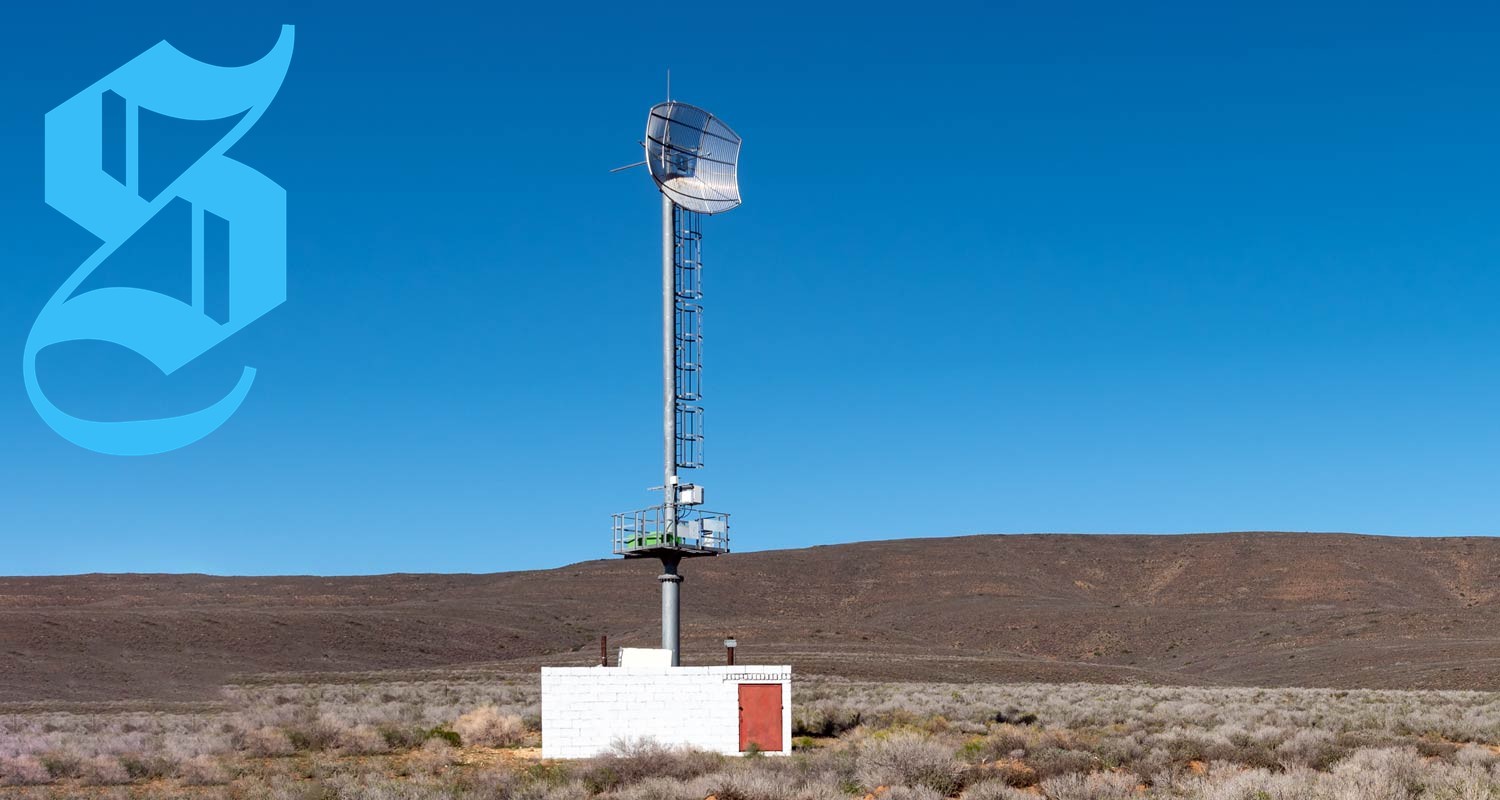
The Universal Service and Access Agency of South Africa (Usaasa) has entered a pivotal phase, commencing public consultations on what it means to achieve universal access to communications services. This comes at a time when the government is contemplating the agency's abolition, a decision that has yet to be firmly set in motion. Over a decade after the last universal access targets expired, many South Africans are questioning what the future of digital inclusion will look like.
In a recent announcement made via a discussion document published in the Government Gazette, Usaasa is now soliciting public input regarding the need to revise or update the definitions and benchmarks set forth in the 2010 ministerial determination for universal service and access. The deadline for submissions has been set for October 30, which adds a sense of urgency for stakeholders wanting to influence this potentially transformative discussion.
Originally published in February 2010 as Government Notice 85, the determination set numerical targets focused on public access points, the affordability of services, and household access to essential communications. However, these targets were only expected to last two years, and many observers believe they have long since expired. Usaasa has cautioned that the established parameters should not be regarded as current targets without further legal validation, rendering their impact on ongoing policy discussions unclear.
"The 2010 determination must not be presented as current targets without separate legal verification," a Usaasa representative stated during an open forum.
Usaasa has proposed a “targeted revision” approach, which would not only retain the distinctions made in 2010 but would also expand the definitions to encompass new technologies and services such as broadband internet and emergency communications. Importantly, this proposal calls for the definitions to ensure “effective use” at a quality and cost that is accessible to all.
However, the agency has opted not to propose any specific numerical targets at this stage. It remains cautious about introducing firm metrics such as minimum broadband speeds, affordability thresholds, or distances to the nearest public access point. Instead, the document suggests that benchmarks be created through an additional consultative process, reflecting a cautious yet methodical approach to addressing the diverse needs across South Africa.
"A fixed percentage or speed should not be adopted without testing its consequences for low-income households," the document emphasizes.
This suggested flexibility extends to the proposed definitions of communication technologies, with Usaasa advocating for a technology-neutral stance. This means that whether a household or community has access via satellite, wireless, or fixed technologies, they should all be held to the same standards, given that they meet the necessary service attributes.
Compounding the challenge, the evaluations of current access to the internet reveal a significant disparity. Despite findings from the communications regulator Icasa’s State of the ICT Sector report indicating that 82.1% of households accessed the internet from various locations in 2024, only 17.4% had the capability to access the internet from home. This stark contrast underscores the urgent need for a well-structured approach to defining and achieving universal access.
A Bill on the Horizon?
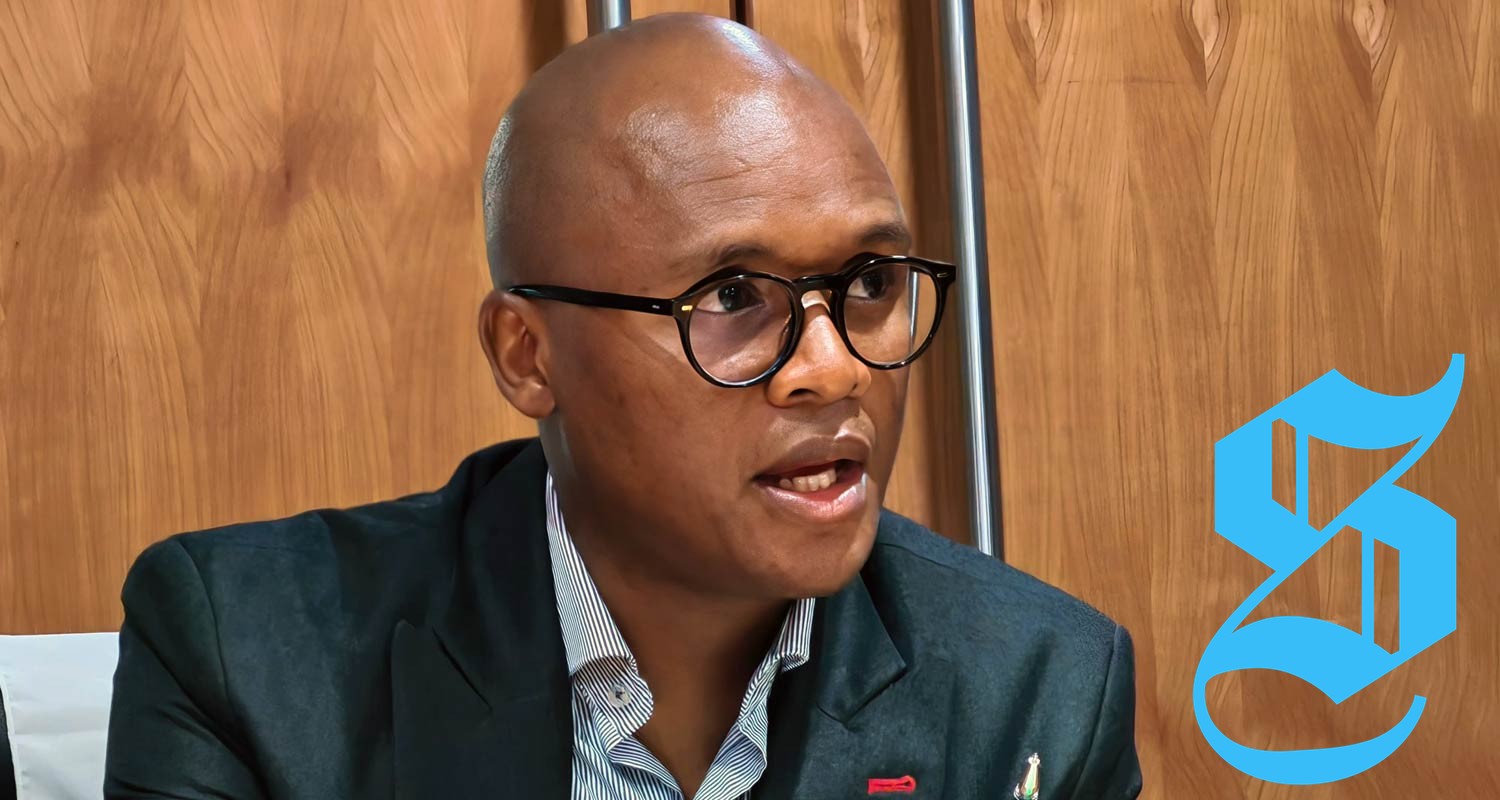
Amidst these deliberations, there looms uncertainty about Usaasa's future. During a parliamentary exchange, Communications Minister Solly Malatsi responded to inquiries from the Democratic Alliance's Tsholofelo Bodlani, stating that the agency’s disestablishment will depend on legislative enablement. A bill proposing the transition of the Universal Service and Access Fund to a “Digital Development Challenge Fund” is still forthcoming. This fund aims to co-finance digital development projects, effectively disestablishing Usaasa while transferring its assets, liabilities, and employees to a yet-to-be-named successor.
This bill has yet to undergo the necessary ministerial review and will eventually require cabinet approval before it can move forward to public consultation. Minister Malatsi has indicated that the introduction of the bill to Parliament is expected “in the next financial year,” but many stakeholders are expressing concern about the timeline and the potential implications of these transitions.
“The future of the agency that has worked tirelessly to increase access to communications hangs in the balance,” remarked a concerned advocate for digital inclusion.
Compounding these complexities, the ongoing Electronic Communications Amendment Bill currently under examination in Parliament makes no references to Usaasa or the Universal Service and Access Fund, leaving many uncertain of where these changes fit into the larger legislative framework for digital accessibility in South Africa.
Recent analysis shows that in the fiscal year of 2025/2026, the fund disbursed a total of R521.2 million. A substantial 83% of this expenditure, equating to R430.7 million, was allocated to the broadcasting digital migration project, which is geared towards the transition from analogue to digital television—an essential step in modernizing communication infrastructure. Meanwhile, broadband initiatives received a comparatively small fraction of R83.3 million, illustrating a potential mismatch in funding priorities across digital access projects.
The ongoing public consultations initiated by Usaasa represent just one piece of a complex puzzle in the shifting landscape of communication access in South Africa. With social media buzzing about potential changes and their implications, this discussion is opening avenues for public engagement, with citizens eager to voice their expectations and demand accountability from the government.
“It’s crucial the community voices are heard in this process; we can’t afford a gap in communication access that leaves low-income households behind!” one Twitter user passionately asserted.
The transition toward a more inclusive, equitable communications landscape hinges on robust public discourse and an actionable framework that prioritizes access for all. As South Africa stands on the brink of significant changes to its digital landscape, the next few months will be critical for shaping the future of Usaasa and the agency's legacy in fostering universal access.
The clock is ticking, and stakeholders are encouraged to partake in this pivotal public consultation, ensuring their voices and insights inform the future of communication services in the country.



No comments yet. Be the first to share your thoughts!