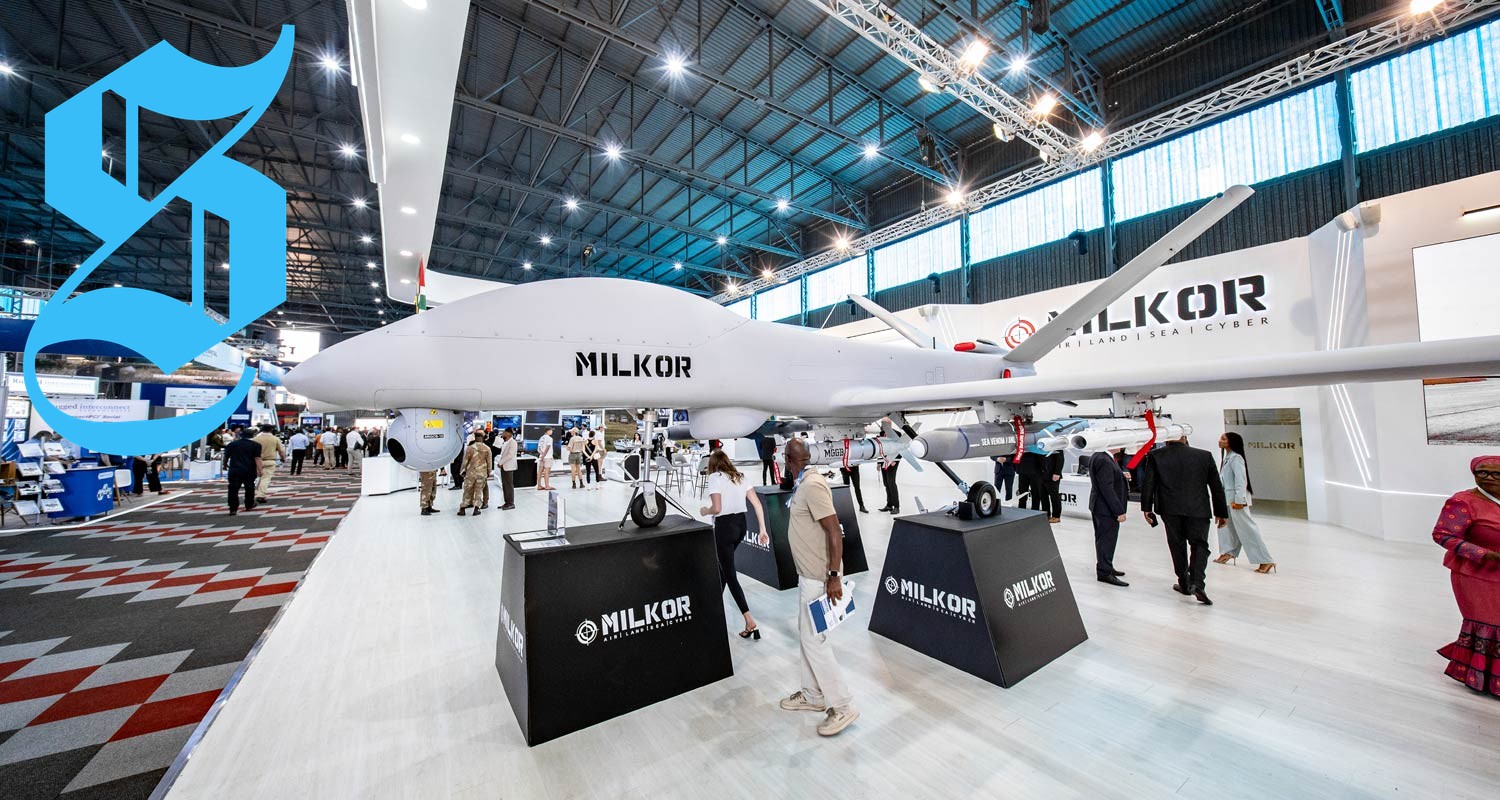
Underfunded Defense: Four years after the establishment of an ambitious partnership between Milkor and the South African National Defence Force (SANDF), the flagship Milkor 380 drone remains grounded in South Africa while continuing to serve a customer in the Middle East. This situation highlights not only the challenges facing South Africa's military modernization efforts, but also the consequences of a severely constrained defense budget.
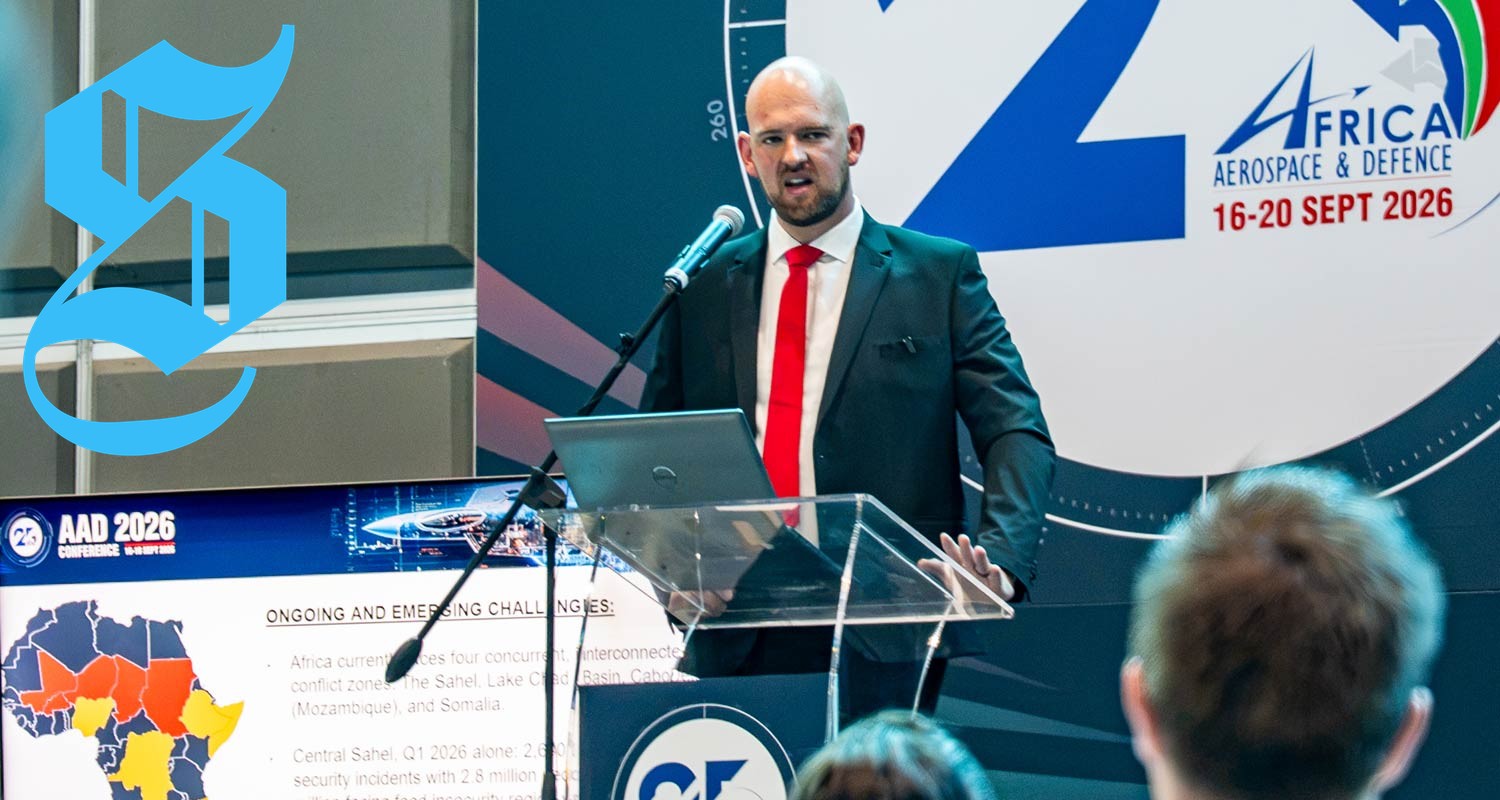
Stalled Procurement: In early 2023, Milkor had earmarked five of its 380 drones for the SANDF, hinting at a potential procurement that was met with excitement at the time. However, according to Daniel du Plessis, Milkor's vice-president for Africa, negotiations are still ongoing and the SANDF has yet to finalize any purchase. "South Africa is not a direct customer in the sense that they have bought," he stated during an interview for an upcoming episode of a local podcast covering defense topics. Recorded shortly after the Africa Aerospace and Defence (AAD) expo at Air Force Base Waterkloof, Du Plessis emphasized the lack of financial backing as the primary roadblock to acquiring the sought-after drone.
“It’s not that they don’t want to use it,”he added, pointing to the pressing financial difficulties faced by the SANDF as the cause.
Budget Constraints: Recent parliamentary discussions have shed light on the extent of the financing crisis within the defense sector. Nearly 70% of the current defense budget is swallowed by salaries, much higher than the planned allocations. This alarming budget distribution means that the SANDF is unable to sustain or rejuvenate its capabilities, as highlighted by parliament’s joint standing committee on defense which has called for more balanced financial strategies. Co-chair Phiroane Phala expressed concerns, saying the inability to allocate funds adequately jeopardizes the entire defense structure:
“The defence force cannot rejuvenate its capabilities or sustain the defence industry that supports it.”
Missed Opportunities: The ongoing conflict in the eastern Democratic Republic of the Congo serves as a poignant reminder of what the SANDF may be missing out on without the Milkor 380. Du Plessis mentioned that the deployment of South African troops in the area had many challenges that could have benefitted from having a reconnaissance and surveillance platform like the Milkor 380.
“A lot of these activities that they went through could have been better assisted and aided by a platform like the Milkor 380,”he explained. The absence of effective drone technology left soldiers vulnerable and limited their operational success.
Flying Abroad Instead
International Sales: As of now, the Milkor 380 unmanned aerial vehicle (UAV) has seen success in overseas markets, with operational deployments reported in the Middle East. However, Du Plessis refrained from naming the specific buyers, citing confidentiality agreements. He did mention that orders from other African nations are anticipated, as well as elevated interest from Latin America. The specifications of the 380 make it a formidable contender on the international stage, boasting a take-off weight of 1.5 tons and the capability of flying for over 30 hours, well beyond 4,000 km.
“There are ambitions from some of these end users, these countries, to also use it for strike capabilities,”Du Plessis noted.
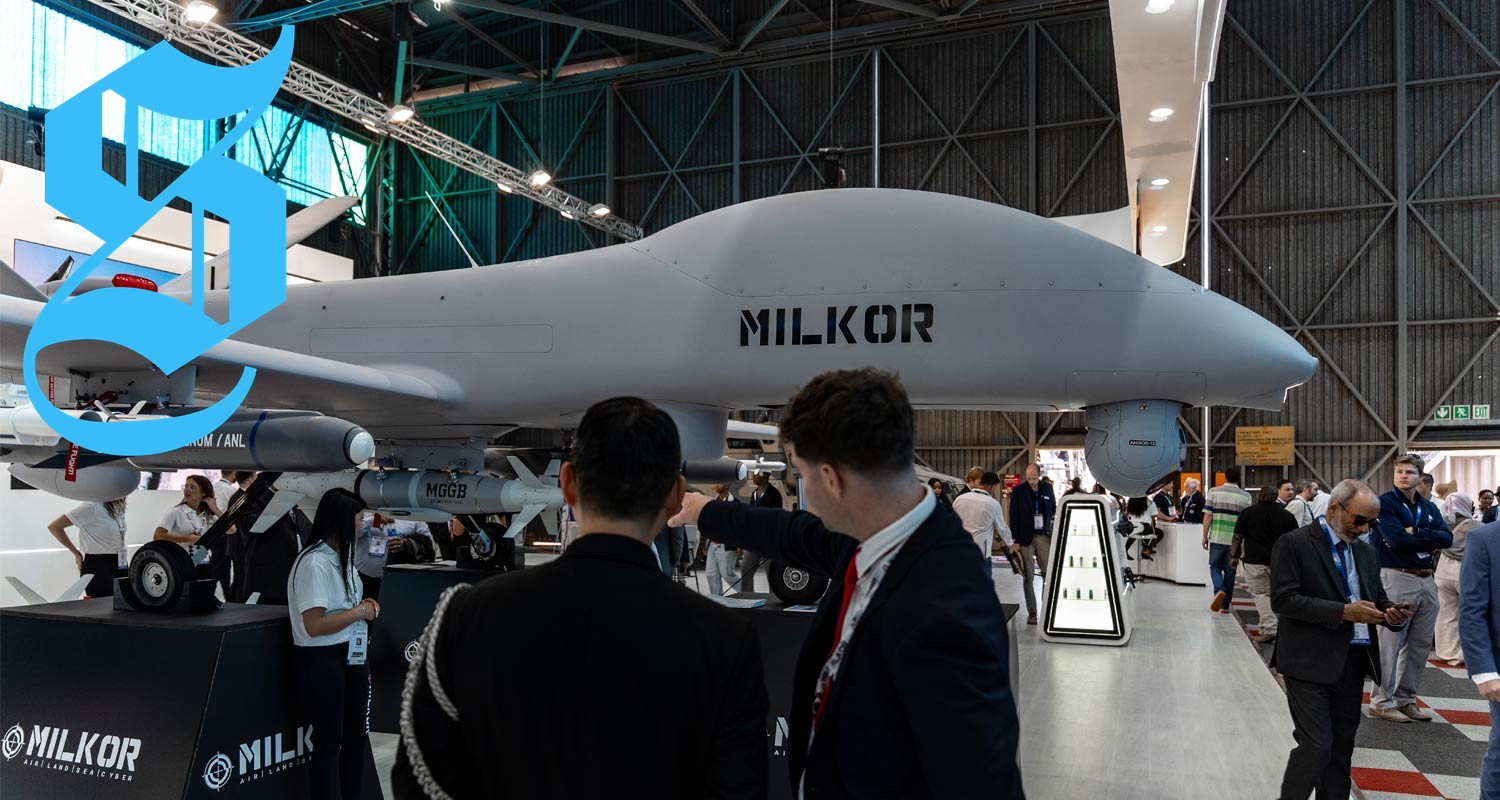
Collaborative Agreements: Highlighting the serious potential of the drone, Milkor signed a memorandum of understanding with European missile manufacturer MBDA during the last AAD expo. This partnership aims to integrate MBDA’s weapon systems onto the Milkor 380, adding strike capabilities to its primarily surveillance and reconnaissance functions. The drone was showcased bearing two MBDA Sea Venom/ANL anti-ship missiles, signaling a significant enhancement to its functionality and operational versatility.
Despite its performance abroad, Du Plessis argues the importance of the Milkor 380 for South Africa.
“It would be a massive benefit for the country to have it and use it,”he articulated, emphasizing that most components of the 380 are developed locally in Cape Town.
Du Plessis shares that around 99% of the drone's components, from its software to its PC boards, are manufactured locally, showcasing the innovation and capability within South Africa's defense industry. Furthermore, by collaborating with various international firms for equipment like cameras and radar, Milkor is striving to create a product that meets global standards while bolstering the local economy.
Border Management Initiatives: One potential avenue for deploying the Milkor 380 back home could be the Border Management Authority (BMA). This recent agency is in the process of enhancing border security through technological advancements and had previously piloted drones in specific areas. As of April 2025, the BMA has taken delivery of some drones but is yet to establish a clear mandate for larger UAV models like the Milkor 380, illustrating the fragmented vision for drone integration within government departments. Du Plessis pitched the benefits of the Milkor 380 to the BMA, underlining the drone's capability to patrol vast, unmonitored areas effectively where traditional vehicles cannot reach. However, due to similar budget constraints, even potential collaborations with the BMA to enhance border security may be stalled.
Made in Cape Town
The local manufacturing prowess at Milkor is evident; Du Plessis emphasizes the company’s proud achievement in crafting a competitive drone where many nations have struggled.
“South Africans working at Milkor in Cape Town have built something that many countries, not even companies, but countries, have tried and failed,”he asserts. The integration of local talents and resources significantly bolsters South Africa's defense capability.
The interactions between the government and militaristic enterprises like Milkor will shape the future of defense technology in South Africa. However, as echoed by various stakeholders, without significant policy shifts and government prioritization of funding, the Milkor 380’s powerful potential may remain untapped in the local context. With the international market seemingly more vibrant, one can only hope that local interests will soon align to utilize this homegrown solution in addressing the nation’s defense needs.
As stakeholders continue to push for modernization, the pressing need for a reevaluation of budget strategies, procurement processes, and inter-agency collaborations becomes ever more critical. The situation stands as a testament to how technology and innovation can flourish even amidst financial adversity, but only if they’re supported by robust strategic planning and investment.
While Milkor continues to seek new avenues for international sales and partnerships, the ultimate goal remains clear: achieving the integration of local technologies to ensure that the future of South Africa’s defense is secure, sustainable, and self-reliant.
– © 2026 NewsCentral Media



No comments yet. Be the first to share your thoughts!