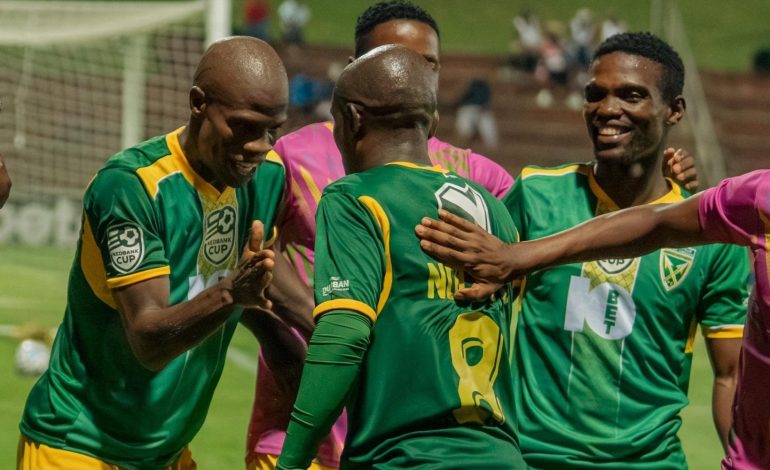
Golden Arrows coach Manqoba Mngqithi expresses dissatisfaction over controversial match outcomes
In the heart of the South African football landscape, tensions flared after the Nedbank Cup round of 16 match where Golden Arrows edged out Stellenbosch with a narrow 1-0 victory at the King Zwelithini Stadium. Despite the win, Arrows coach Manqoba Mngqithi made headlines with his call for the implementation of Video Assistant Referee (VAR) technology in South African football, citing the need for accuracy in officiating to preserve the integrity of the game.
The match, while showcasing commendable skill from both teams, was marred by a contentious refereeing decision that left both players and fans in disbelief. Stellenbosch felt they deserved a penalty after a shot from Langelihle Phili struck the hand of Ayanda Jiyane in the box. As the players protested vehemently, the referee resolutely waved play on, a decision that would come back to haunt them as Golden Arrows quickly capitalized on the moment, leading to Angelo van Rooi scoring the decisive goal.
A Controversy in the Making
"The reality is, we must win a match without such issues. And how are we going to achieve that when we are going to be facing the same problem?"
For Stellenbosch coach Gavin Hunt and his players, the aftermath of the match raised deep questions about fairness and equity in the game. Hunt, known for his passionate stance on officiating, was visibly frustrated as he confronted media reporters. "We cannot have games decided on controversial calls like this; it's simply unfair," he stated during the post-match interview. His players echoed this sentiment, expressing deep disappointment and a sense of injustice.
Mngqithi, on the other hand, soberly reflected on the game while acknowledging the rapid pace of modern football. In his post-match comments, he stressed that referees are overwhelmed by the speed of play, rendering them incapable of making precise decisions consistently.
"To make some of the decisions, you need technology because speed will sometimes be faster than the referees, or sometimes make referees make conclusions that are too close,"he said, underlining the importance of having VAR as a means to review the split-second decisions.
The Need for Technological Assistance
As discussions about technological advancements in football continue globally, Mngqithi's comments come at a pivotal moment for South African football. The absence of VAR creates significant friction, especially when the road to the final stages of tournaments can rest on a single decision made in the blink of an eye.
Mngqithi further elaborated, revealing some structural issues within the South African Football Association (SAFA).
"It is probably the reason why you need a VAR, because, whenever there has been a miss in terms of the judgement, if there is VAR, you can look at it again,"he articulated, arguing for the necessity of a review system that could provide clarity on crucial decisions in real-time.
The debate is not just one of technology but of professionalism. Unlike players conditioned through rigorous training programs, referees are often under-resourced and do not undergo the same level of consistent physical preparation. Mngqithi pointed out that expecting referees to keep pace with the athleticism of professional players is distinctly unrealistic. He boldly stated,
"We put these boys through rigorous training... and it’s unfair to expect officials to be at that same level without similar training."
Social Media Reactions and Wider Implications
Reactions across social media have been a mix of support for Mngqithi's advocacy for VAR and criticism directed at the officiating standards in South African football. Fans took to platforms like Twitter and Facebook, expressing their frustration over what they described as a “robbery” against Stellenbosch. Some highlighted the importance of fairness in a game that commands such passionate followings.
An outspoken fan tweeted,
"If VAR is good enough for the World Cup, why not our local league? Every player deserves fair treatment!"Others echoed support for the implementation of technological innovation, understanding that while technology cannot solve every issue, it can serve as a crucial tool in support of the officials.
For many football enthusiasts, the debate over VAR transcends just this one match. The question of whether South African football can keep pace with global standards is under scrutiny as fans demand not only better football but also improvements in officiating and the overall experience of the game. As the country moves forward, the discussions around VAR may serve as a harbinger of a significant shift toward modernization within the league.
Looking Ahead to the Quarter-Finals
Despite the contentious aftermath of the match, Golden Arrows will be looking forward to their next challenge in the Nedbank Cup as they await the quarter-final draw on Monday. With a place in the final stages of the competition at stake, Mngqithi's team might need to put the controversy aside and focus on their next opponents, hoping to avoid any further officiating debacles.
As South African football fans reflect on the incident, they will eagerly watch how the league and its governing body address the need for improved refereeing standards and technology to ensure that the integrity of the game is upheld. For Mngqithi, the future may depend on how quickly these changes can be made in response to growing frustrations from both players and spectators alike.



No comments yet. Be the first to share your thoughts!