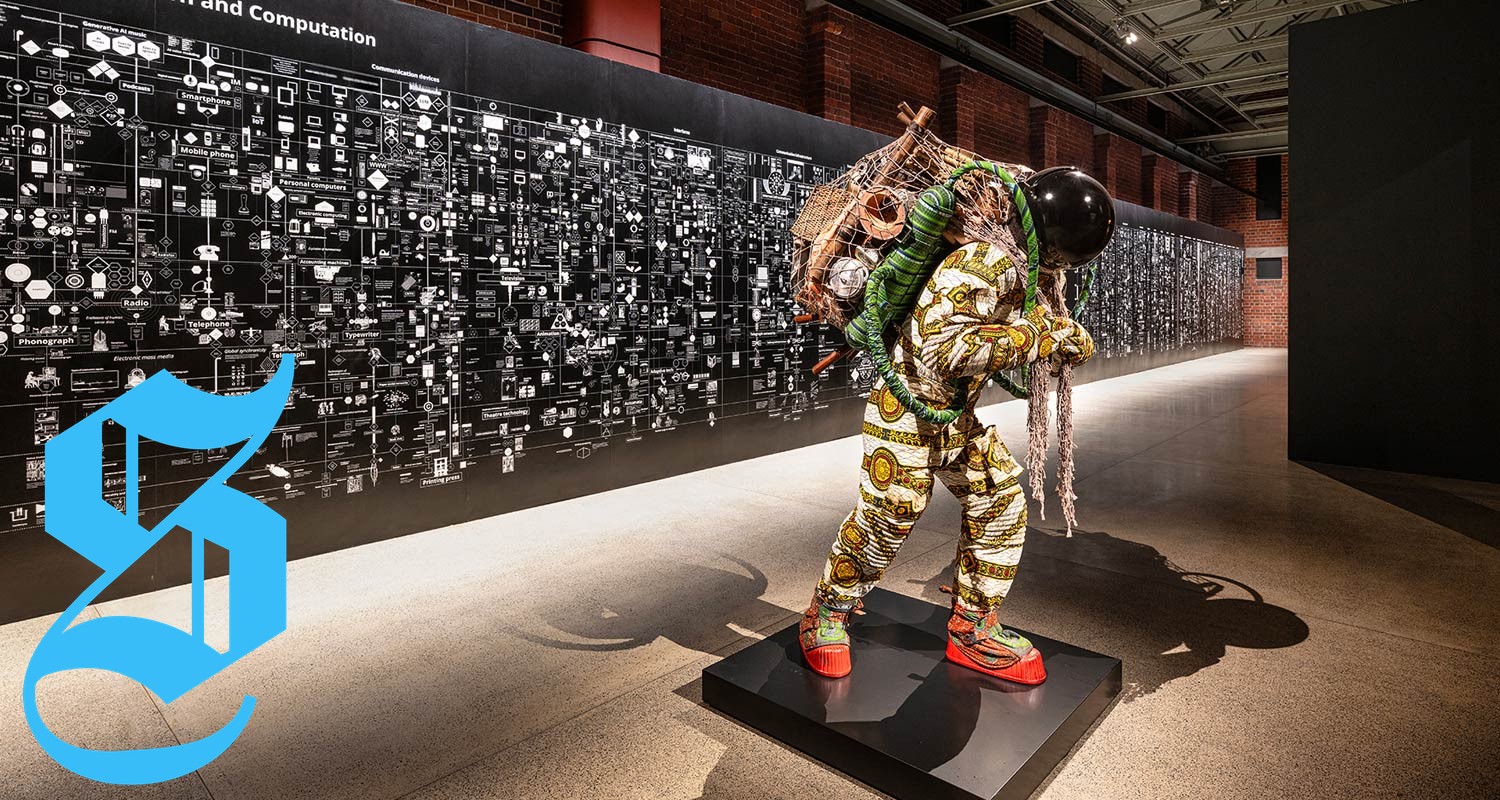
A vast map of how technology and power have evolved together since 1500, crafted by AI researcher Kate Crawford and Serbian artist Vladan Joler, is currently on show in Johannesburg, captivating art and technology enthusiasts alike. Set to remain on display until December 5, this thought-provoking exhibition is titled Calculating Empires: A Genealogy of Technology and Power Since 1500.
This piece stands out as a centerpiece for technology watchers at the Reverse Futures exhibition, hosted by the Joburg Contemporary Art Foundation (JCAF), situated in the vibrant Forest Town. The exhibition prompts a crucial inquiry: is the future molded by artificial intelligence (AI) and automation merely a repetition of historical patterns of exploitation that have permeated our past?
The Reverse Futures exhibit opened on June 26 and serves as the concluding chapter in JCAF's Worldmaking trilogy, following Ecospheres in 2024 and Structures in 2025. This final installation introduces works that uniquely blend themes of robotics, virtual reality, and space from artists hailing from diverse geographical backgrounds, including South Africa, Kenya, Nigeria, Argentina, Lebanon, and Serbia.
Crawford and Joler depict their work as a substantial research visualization that illustrates the co-evolution of technical and social structures over a span of five centuries. The visualization meticulously traces the “technological patterns of colonialism, militarization, automation and enclosure since 1500.” This intricate timeline allows viewers to navigate through the history of technology, beginning from the 16th century and progressing to contemporary innovations, including the internet.
The online version of the project enables a zooming feature that showcases hundreds of drawings and writings organized along a vertical timeline. It reveals how various systems, ranging from algorithms to architecture and from bodily autonomy to national borders, have influenced the technological landscape we navigate today. “These practices of past empires are now echoed in the highly concentrated technology and military industries of the 21st century,” Crawford and Joler caution, attuned to the alarming concentration of power resulting from current transformations in AI. “In order to have a future, we must first confront our past.”
Robots, astronauts and caves
Among the engaging displays is Argentine artist Paula Gaetano Adi’s Guanaquerx, touted as the “first robot to cross the Andes.” This innovative piece reenacts José de San Martín’s revolutionary 1817 expedition that traversed from Argentina into Chile, challenging traditional narratives of exploration and conquest.
Standing before Calculating Empires is Yinka Shonibare’s thought-provoking installation, Refugee Astronaut X (2024), depicted as “an African astronaut searching for a habitable world.” This piece embodies the exploration of identity and existence while evoking the struggles faced by many displaced individuals due to war, climate change, and other global crises.
Contributing to the rich sensory experience, installations by artists Traci Kwaai, Georgia Munnik, and Gaetano Adi transport visitors to underwater realms where they can hear the unique voices of the Kalk Bay community, while simultaneously navigating the complex and often contradictory sensory memories that Johannesburg embodies.
The exhibition's title derives from Nairobi-based architectural practice Cave_bureau and their installation Shimoni Slave Cave (2022-2023), which poignantly unravels the historical significance of slavery within Kenyan caves. The term “reverse futurism” was coined by Cave_bureau to address the profound ramifications of colonialism across Africa, and particularly in Kenya. As described in the Future Observatory Journal, reverse futurism emphasizes the need to rectify the historical injustices of the past to pave the way for a more equitable and sustainable future.
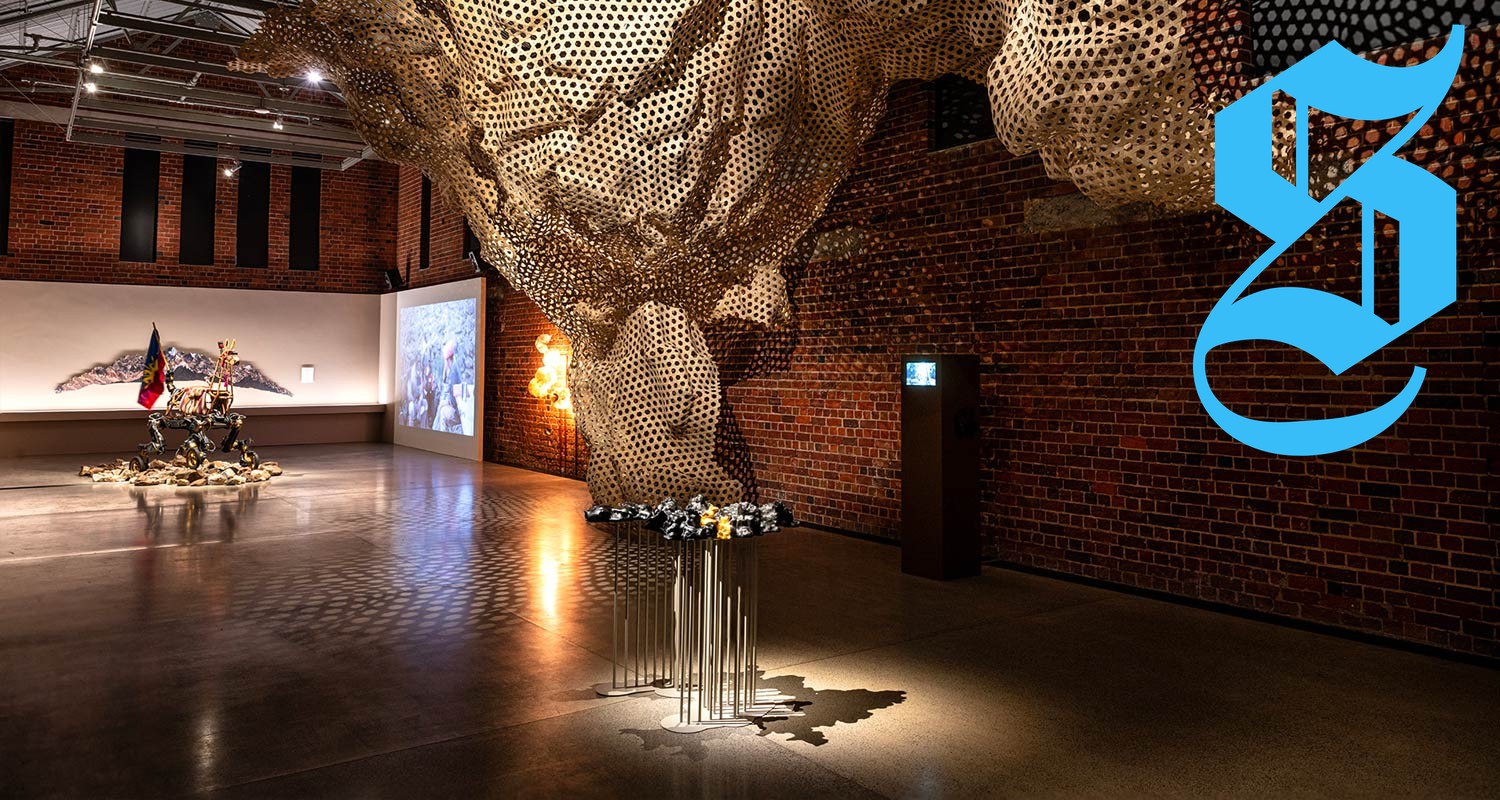
JCAF highlights a significant critique within the exhibition: the prevailing ideas and narratives surrounding the future have been shaped predominantly by Western-centric visions. These are often portrayed through a lens of utopian or dystopian scenarios within Hollywood’s science fiction narratives. However, for many individuals in the global South, the future is not a concept of distant abstraction but is deeply rooted in present realities.
Curator Clive Kellner, who serves as JCAF’s executive director, emphasized the urgent need for the exhibition’s discourse on technology from a localized perspective, posing fundamental questions about our world. “How might we imagine a better world not built on power and extraction, but one that enables us to think about our future in South Africa as part of a continuum of community, environmental care and historical learning?” he queries, pushing audiences to reflect on their societal roles.
As South Africa embarks on the process of redrafting its national AI policy, the pivotal question remains: who stands to benefit from this rapidly evolving technology? This overarching inquiry underscores the urgency of the themes presented in the exhibition, as it resonates with the complexities of justice, equity, and the future.
Highlighting the profound impact of artworks like those found in Reverse Futures, social media users have taken to various platforms to express their thoughts and feelings. One Twitter user remarked,
“Art is a powerful medium for exploring history and its implications on our future. This exhibition is a must-see!”while another shared on Instagram,
“These installations highlight the importance of remembering our past to forge a better future. Bravo to the artists!”.
As discussions around technology and its societal implications continue to evolve, the Reverse Futures exhibition serves as a crucial dialogue point, where art and technology converge in ways that reflect both the past and the potential for healing and change in the future.
As the exhibition draws to a close on December 5, visitors are encouraged to partake in this critical exploration of technology, power, and history, ensuring the narratives of the past are not forgotten as we journey into the future.


No comments yet. Be the first to share your thoughts!