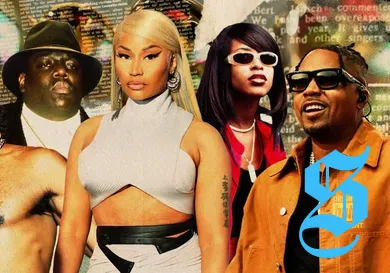
Hip Hop is brimming with talent, yet year after year, there’s a glaring disconnect between the genre's immense cultural influence and its treatment at the Grammys. Historically, the Recording Academy has faced backlash for overlooking some of Hip Hop's most iconic artists, leading to heated debates each Grammy season.
The Grammy Award, once hailed as the pinnacle of musical excellence, has a contentious history with Hip Hop and R&B. Prominent figures who laid the groundwork for the genre have often found themselves absent from the nominations list, diminishing the perceived value of their contributions.
Initially, Hip Hop wasn’t even included in the conversation. The Grammys introduced the Best Rap Performance category only in 1989—over a decade after Rap transformed mainstream music culture. Ironically, the first recipient, DJ Jazzy Jeff & The Fresh Prince, boycotted the ceremony due to its exclusion.
“They said there wasn’t enough time to televise all of the categories,” DJ Jazzy Jeff reflected back in '89.
While the genre began to earn its due recognition, it was often limited. Influential acts like Public Enemy and Eric B. & Rakim helped define Hip Hop but saw little acknowledgment from the Grammy nominators. Naughty By Nature’s 1996 win for Best Rap Album was overshadowed by the fact that it wasn’t even on the televised segment.
A wave of classic albums that shaped Hip Hop culture, such as The Chronic and Illmatic, remained unrecognized by major categories until Lauryn Hill's groundbreaking win in 1999, marking a significant shift in Grammy history.
When the Spotlight Faded
Fast forward to 2013, and there was no doubt about who deserved the Best Rap Album: Kendrick Lamar, with good kid, m.A.A.d city. Despite its critical acclaim and commercial success, the award went to Macklemore & Ryan Lewis, who later admitted that Kendrick was robbed.
DMX also faced a similar snub, dropping two chart-topping albums in one year without a single nomination. While artists like Snoop Dogg, Busta Rhymes, The Notorious B.I.G., and Tupac emerged as titans of their era, they too left the Grammy stage empty-handed.
The story continues as newer talent also faces challenges. Chance the Rapper’s highly anticipated album didn’t secure nominations after early accolades, and albums by Vince Staples and ScHoolboy Q met similar fates despite critical praise.
The Oversight of Women in Hip Hop
The Grammy snubs are glaringly apparent when examining female talent. The absence of Nicki Minaj from the winner's circle remains baffling, considering her unprecedented achievements and dominance on the charts. Despite 12 nominations, she has yet to secure a win.
“They gave it to the white man Bon Iver,” she expressed in 2020.
Category reassignments have also hindered deserving artists like Tyla, while Megan Thee Stallion's nominations have been intermittent despite her global acclaim.
Aaliyah, a pivotal figure in R&B, was nominated five times without ever winning, leaving her incredible legacy undervalued by the Grammys.
Voices of Dissent
Many artists have taken a stand against the Academy's decisions. Jay-Z, for instance, boycotted the 1999 Grammys, setting a precedent for mutual respect between artists and the institution. The Weeknd condemned the Grammys as corrupt after his album was entirely snubbed, while Kanye West has voiced his contempt numerous times, even infamously urinating on a Grammy award.
Drake has also criticized the Grammy process, pulling his nominations in protest and stating the awards don’t define success. In his words, “This show doesn’t dictate (expletive) in our world.”
Ultimately, the question remains: will the Grammys ever genuinely acknowledge the cultural importance of Hip Hop and R&B? The upcoming ceremony may shine a light on whether meaningful change is finally on the horizon.


No comments yet. Be the first to share your thoughts!