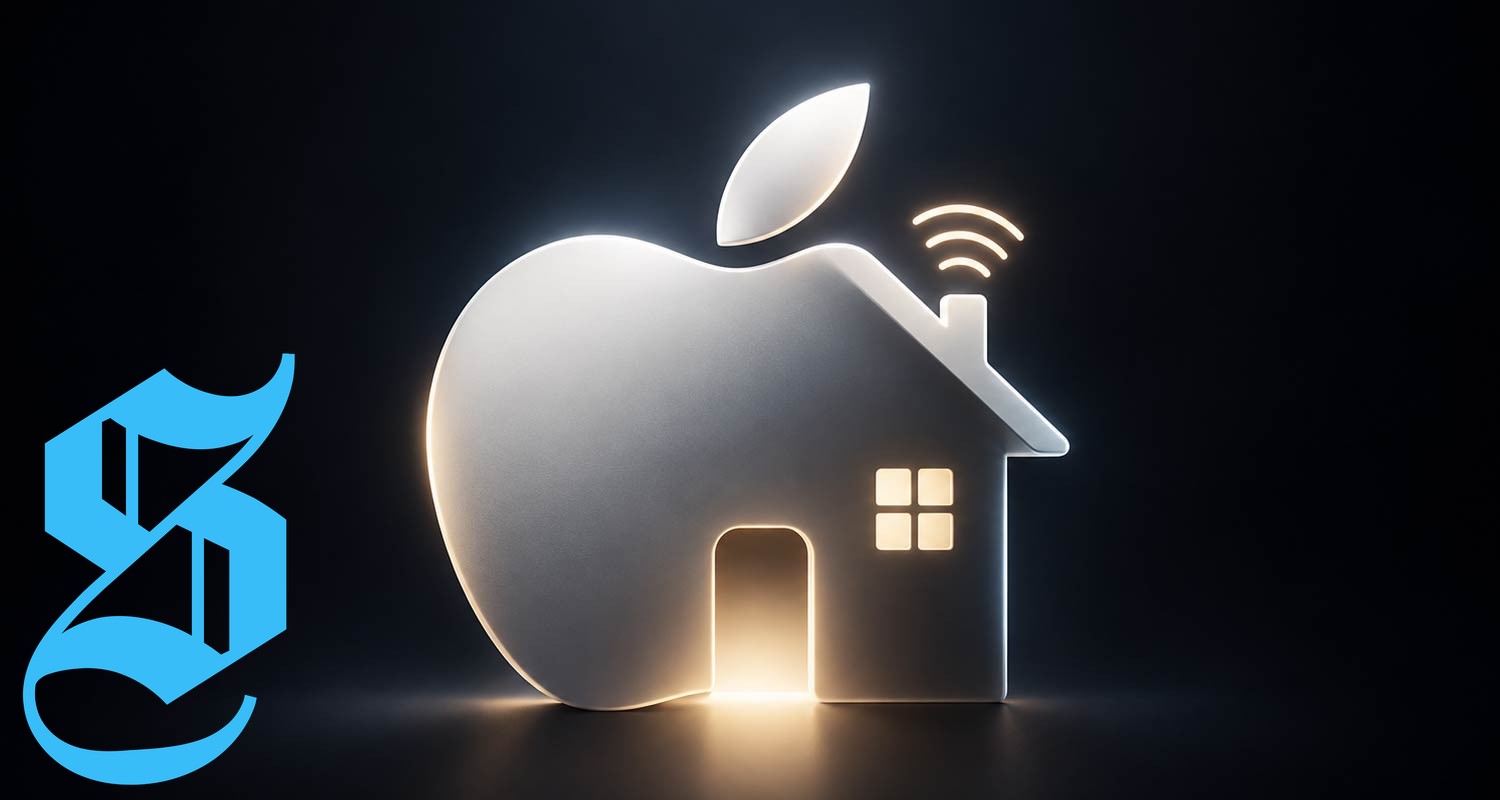
Apple's Smart Home Revolution: Launch Date Set for New Hub
Apple Inc. is gearing up for a significant expansion into the smart home market with an eagerly anticipated launch set for October 13. According to a report by Bloomberg News, the company is developing a new hub, codenamed J490, designed to compete directly with established smart home devices from rivals like Amazon and Google.
This announcement comes at a time when Apple is looking to diversify its offerings beyond its flagship iPhone line. The tech giant is expected to unveil not only the new hub but also the first update to its HomePod mini since its initial launch in 2020, and a new Apple TV set-top box, the first of its kind since 2022. While Apple has not yet provided an official comment regarding the upcoming releases, the anticipation within the tech community is palpable.
A New Era Under Leadership
The fresh strategies in Apple's approach to smart home devices accompany a pivotal leadership change. John Ternus, who has been involved in Apple's hardware innovations for years, took over the role of CEO on September 1. Analysts are hopeful that Ternus will steer Apple toward focusing on its engineering strengths and integrating artificial intelligence into more of its products. Previous reports have suggested that Ternus might initiate a broad overhaul within the company that would involve accelerating product releases.
“AI finally offers a way to hide complexity behind ordinary language. Instead of programming the house, you talk to it.”
This sentiment reflects Apple’s broader strategy to leverage AI capabilities to enhance user experience. The company has long maintained a strong presence in the consumer electronics market but has been criticized for its somewhat lackluster approach towards the smart home sector.
Apple's Existing Smart Home Offerings and Market Position
Despite entering the market in 2014 with HomeKit, Apple's attempts to establish a dominant footprint in the smart home industry have often been overshadowed by competitors. While Amazon and Google have successfully created AI-first products, Apple's offerings—primarily the HomePod and HomePod mini—have felt more like extensions of its iPhone ecosystem rather than standalone solutions for smart living.
As Duncan McLeod, editor of a notable tech publication, pointed out, while Apple has been a player in the smart home market, its competitive drive seems more half-hearted compared to rivals.
“The smart home has spent 15 years as a hobby for people willing to fiddle with hubs, automations, incompatible standards, and badly designed apps.”
Importantly, the forthcoming hub promises to change how users interact with their home technology. Similar in concept to Amazon’s Echo Show and Google’s Nest Hub, the new J490 will feature a small, square display suitable for mounting on walls or cozy countertops in living spaces.
Understanding the New Hub's Features
The anticipated hub will recognize individual household members, adjusting content and responses based on their specific preferences and data—an elegant solution to the often impersonal nature of smart devices. As detailed in numerous reports, the updated HomePod mini and Apple TV will keep their original designs but will be equipped with faster processors to run the newly enhanced Siri AI smoothly.
The old version of Siri was reported to be a critical obstacle to the rollout of the new hub. The assistant lacked the capability needed to act as the primary interface for such a device. With plans to roll out an upgraded Siri, featuring improved AI capabilities, Apple aims to overhaul how users engage with their devices.
Privacy and Personalization in Smart Homes
One of the unique selling points of Apple's forthcoming hub will be its ability to perform much of its intelligence on-device rather than relying on cloud processing. According to tech analysts, this approach plays into Apple's longstanding commitment to user privacy—a critical factor as consumers become more mindful of data security in an era of increasing surveillance and data misuse.
“Much of the intelligence a smart home needs is narrow, repetitive, and intensely personal: who is home, which rooms they are in, their routines, cameras, appliances, and electricity use.”
With its AI improvements, Apple looks to offer home automation that feels more intuitive and personalized. Through advanced personalization, users will be able to control their devices via natural language with commands that feel effortless and seamless, moving away from complex programming.
Additionally, Apple has promoted its new Mac mini as an “always-on agentic computing” machine, highlighting its capabilities for continuous operation, which speaks to the direction the company is taking with AI in various products.
Social Media Reactions and Industry Speculation
Social media platforms have been buzzing with anticipation surrounding Apple's upcoming launch. Comments have ranged from excitement over the possibilities of reimagining smart home interactions to skepticism about whether Apple can effectively compete with existing leaders in the space.
On Twitter, users speculated on what features they would like to see in the upcoming devices, with many asserting that seamless integration with existing Apple products would be fundamental for its success. Others expressed curiosity about the privacy implications of a device that recognizes individual users and customizes interactions.“If this really helps in personalizing our smart home experience while keeping our data secure, Apple could set a new standard,” wrote one user, capturing the hopeful sentiment among fans.
Conversely, some tech critics pointed out that while Apple has the hardware and user base to back competitive smart home products, the fundamental question remains whether they can surpass the existing solutions from Amazon and Google, which have amassed considerable traction in the AI-driven market.
Conclusion: What Lies Ahead for Apple's Smart Home Strategy?
As Apple prepares for its ambitious foray into smart home technology, the upcoming launch on October 13 marks a potential turning point not just for the company, but for the entire industry. With thoughtful integration of AI and privacy-first designs, the Apple J490 hub is set to redefine how users interact with their homes. Whether this new focus will secure Apple a long-term position at the forefront of smart home innovation remains to be seen, but there's no denying that the buzz surrounding its release represents a significant moment in consumer technology.
As always, eager consumers and analysts will be watching closely to see how Apple’s entry into this complex market unfolds and whether the company can live up to the expectations that it has built over the years with its loyal customer base.

As the evolution of smart homes continues, Apple is poised at a critical intersection where technology, privacy, and user experience will increasingly define the landscape. With consumer expectations on the rise, the success of Apple's upcoming devices will likely hinge on how well they navigate these emerging complexities in the smart home ecosystem.
No comments yet. Be the first to share your thoughts!