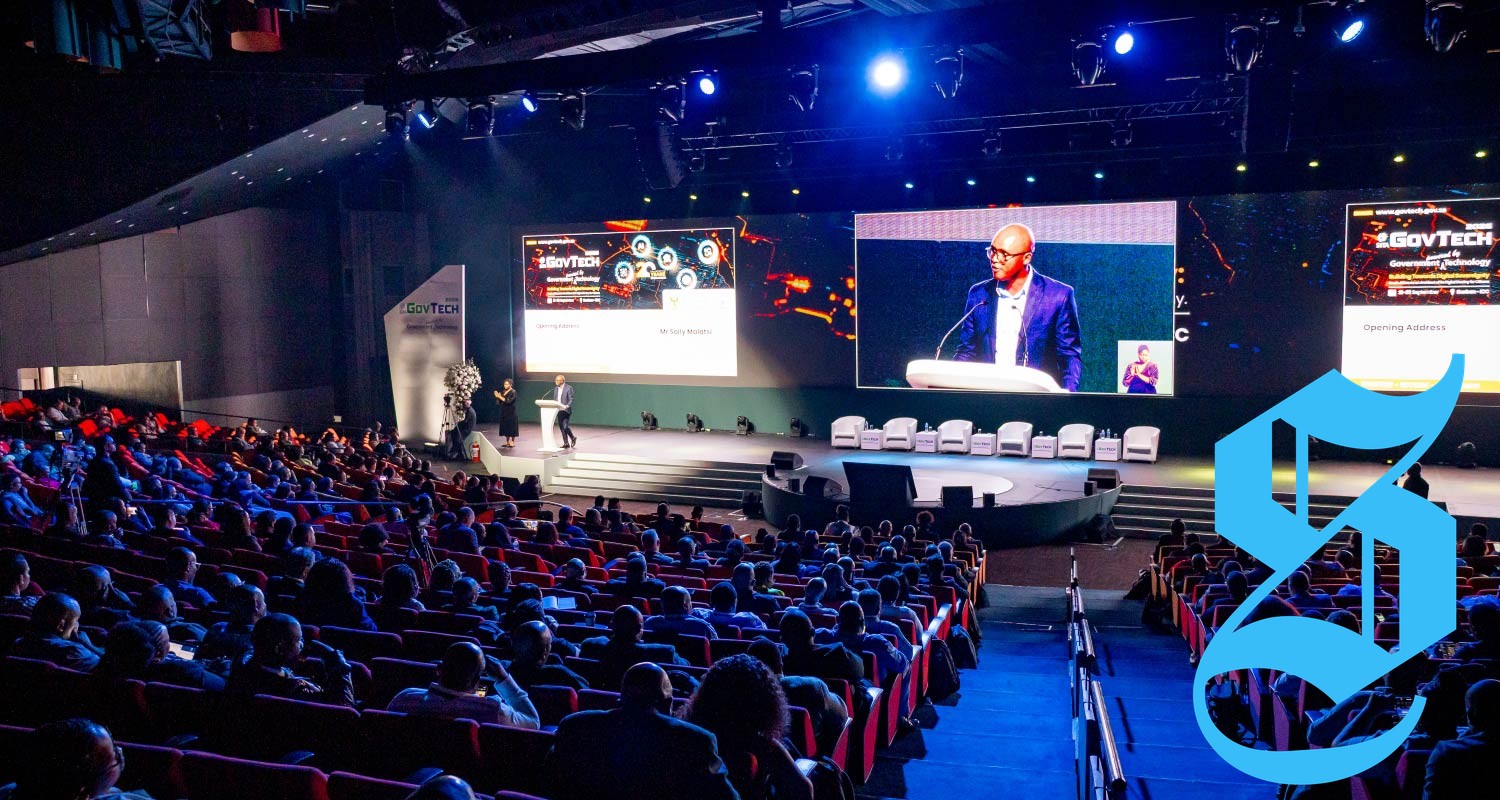
GovTech 2026 marked a key milestone in the intersection of government and technology, celebrating 20 years of innovation in public service delivery. Hosted by the State IT Agency (SITA), the event has systematically chronicled the evolution of government technology since its inception in 2006. From the initial focus on connectivity and infrastructure to more intricate facets like cloud computing, data management, cybersecurity, and shared digital services, this event served as a mirror reflecting the digital transformation of the South African public sector.
This year, Huawei leveraged this milestone to unveil its vision for an intelligent government, aiming to harness digital advances to reshape public sector operations effectively. "AI can help government improve public services by automating routine tasks and supporting faster, data-driven decisions," articulated Matamela Mashau, chief technology officer for enterprise network solutions at Huawei Sub-Saharan Africa. In his view, the infrastructure necessary to accommodate these transformative workloads is vital for enabling AI applications.
Digital Infrastructure: A Foundation for Public Services
At the heart of GovTech 2026 was a strong emphasis on South Africa’s digital future. Addressing the audience, the Minister of Communications, Solly Malatsi, underscored the nation’s potential to evolve into a global connectivity hub. He highlighted that South Africa is strategically positioned to serve as a digital gateway connecting Africa with Europe, Asia, Latin America, and Australia—a vision that could open new economic avenues and foster innovation.
For Huawei, this implies a sustained commitment to strengthening the digital infrastructure required for the government to enhance public service delivery. Their participation not only included showcasing advanced technologies but also detailed discussions on how connectivity, cloud solutions, and AI can facilitate the transition from connected government to a fully digital and eventually intelligent government.
A Unified Service for Every Citizen
On the opening day, insights were shared by Peng Lu, the director of data centre solutions sales at Huawei South Africa, during the Government Services and Cloud & Connectivity panel. He explored the practical benefits of creating a unified government service platform. This ambitious initiative aims to ensure that citizens can access necessary public services seamlessly—from a smartphone or laptop, irrespective of whether they reside in urban centers or remote rural areas.
Furthermore, Lu emphasized the enhanced efficiency arising from shared government platforms. As he noted, "Citizens need one platform to access government services, while departments need to be able to share the data needed to deliver those services." This starkly illustrates the need for a strategic shift where all public service departments utilize common platforms instead of maintaining fragmented systems that hinder efficient service delivery. He expressed confidence that one of the foremost priorities before the next GovTech 2027 event would be to successfully deploy these shared platforms onto a government on-premises cloud.
Utilizing AI to Transform Public Services
Day two of the event saw Mashau take the stage with a keynote on the prerequisites needed to operate AI mechanisms within the public sector. He painted a powerful picture of AI's transformative potential, stating, "AI can take routine administrative work off officials’ desks and route requests in hours rather than weeks." This revelation sheds light on the profound implications of introducing AI into public administration.
The keynote subsequently delved into practical applications of AI across various sectors, including education, meteorology, and healthcare. For instance, AI could aid in lesson planning for educators, improve weather forecasting accuracy, and enhance diagnostics and drug discovery capabilities in healthcare. This multifaceted application showcases not only the versatility of AI but also its role as a potential game-changer in resolving persistent challenges faced in these critical areas of public service.
Mashau further elaborated on Huawei’s five-layer AI framework, which encompasses energy, chips, infrastructure, models, and applications. He asserted that Huawei is poised to assist the South African government in establishing a national AI data center compliant with local laws while upholding data sovereignty—an increasingly significant factor in today's digital age.
Creating Shared Capabilities Together
The final day of GovTech 2026 culminated with a panel discussion emphasizing shared government cloud services. Siphiwe Matore, senior public sector business development manager at Huawei Cloud South Africa, participated alongside representatives from SITA, various agricultural departments, and the eThekwini municipality. The discussions were targeted toward foreseeing how South Africa’s government private cloud ecosystem could catalyze enhanced collaboration among different governmental departments.
Participants exchanged ideas on the necessity of reducing duplicative efforts across departments through the utilization of shared platforms. As noted by Matore, "The government private cloud ecosystem can provide a secure foundation for shared digital services across all spheres of government." By sharing global best practices and invaluable learnings, Huawei aims to support SITA and other public stakeholders in nurturing this evolving ecosystem. Skills development and sound governance emerged as crucial themes during these deliberations, emphasizing the need for sustained training and operational guidelines to steer future initiatives.
A Reference Architecture for Inclusive AI
At Huawei's exhibition stand, they unveiled the Inclusive Government AI Reference Architecture for South Africa, which is designed to empower the government in effectively developing AI capabilities and deploying them securely. This architecture integrates on-premises computing, national foundation models, sector-specific applications, and encompasses talent development alongside ecosystem partnerships. The presentation illustrated how sector-specific AI platforms can facilitate more targeted operations within governance.
Moreover, Huawei, in conjunction with its diverse partners, has co-initiated solutions across eight industry sectors, effectively addressing more than 20 common AI agent scenarios that can be localized for maximum efficacy. This collective effort reinforces Huawei's commitment to tailor innovative solutions that resonate with local public service dynamics.
As GovTech embarks on its journey into a third decade, Huawei reaffirms its dedication to advancing its collaborations with SITA and other public sector entities, all grounded in a vision of AI for All. This vision revolves around orchestrating shared digital services that tangibly elevate the living standards of citizens.
About Huawei
Founded in 1987, Huawei has emerged as a global powerhouse in the realm of information and communications technology (ICT) infrastructure and smart devices. Today, with a workforce of 213,000 operating across more than 170 nations, Huawei's impact reaches over three billion people worldwide.
The company's commitment is to bring digital connectivity to every person, home, and organization, paving the way for a fully connected and intelligent world. In 2025, Huawei's fiscal performance showcased a revenue of C¥880.9 billion, with an impressive 21.8% (C¥192.3 billion) reinvested into research and development—where approximately 53.7% of its workforce is engaged. As a private entity wholly owned by its employees, Huawei emphasizes innovation centered on customer needs and collaborative strategies to drive technological breakthroughs globally.
For further details, visit Huawei South Africa or connect with Huawei through its various social media channels including X, Facebook, LinkedIn, and YouTube.
- Read more articles by Huawei on TechCentral
- This promoted content was paid for by the party concerned


No comments yet. Be the first to share your thoughts!