Druski Dares to Perform Whiteface on SNL: A Bold Move Sparked Debate
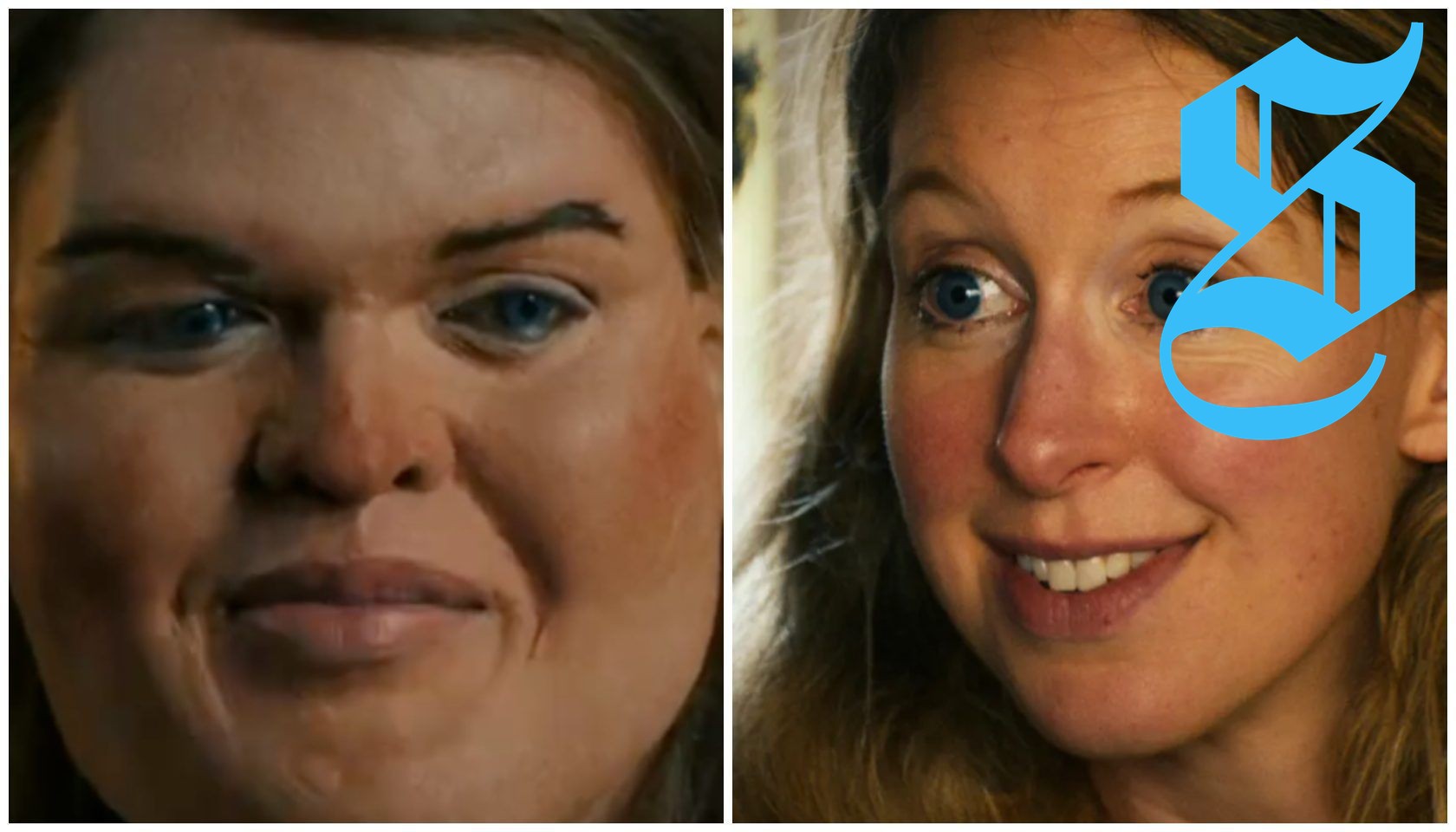
If you thought Druski, the popular internet comedian, would play it safe during his historic appearance on Saturday Night Live (SNL), think again. Dressed as Elizabeth Holmes, the disgraced CEO of Theranos, Druski executed a controversial skit that ignited conversations on social media regarding racial representation, humor, and the boundaries of parody in comedy.
During his opening monologue, Druski was quick to establish his comedic intents, joking about the restrictions that SNL had imposed on him:
“SNL said no cussing and no ‘whiteface,’”he told the audience, adding a chuckle,
“and I can’t promise I will stick to that.”From this moment on, it was clear that he wasn’t holding back.
The skit in question was a parody of the documentary “You Can See Everything,” directed by Nathan Fielder and Lance Oppenheim, which chronicles the rise and fall of Theranos. In this clever take, Druski, who was initially attached to the project, donned whiteface to portray Holmes, making a bold statement about the role of race in performance art. The boundaries that Druski chose to challenge became a focal point of conversation on platforms like Twitter and Instagram.
The episode closed out with Druski being joined onstage by several luminaries, including Dave Chappelle, Michael B. Jordan, Chris Rock, Emma Stone, and even newly elected Texas Senator James Talarico, who made an appearance in one of SNL’s cold opens. The star-studded finale was celebrated by the audience, leaving a lasting impact on viewers who tuned in.
Social Media Reactions
Of course, social media was quick to respond to Druski's audacious performance. While many viewers praised Druski for his fearlessness in tackling such a sensitive subject through satire, a significant portion of the audience voiced their concerns over the implications of his choice to wear whiteface.
“Is this really funny or just plain wrong?”one Twitter user posted, encapsulating the divided sentiment surrounding the skit. Some fans defended the performance as an exaggerated commentary on cultural appropriation and race in America, while critics argued that the use of whiteface comes with historical baggage that shouldn't be taken lightly.
Other users reacted with humor, sharing memes and clips from the show while amplifying their appreciation for Druski's creativity. One Instagram user commented:
“What a way to make a statement! Druski is a genius!”highlighting the positive framework in which many chose to view the skit.
A Broader Context of Racial Representation
This instance of Druski utilizing whiteface revives ongoing debates across the entertainment industry regarding just how far comedy can—or should—go in its pursuit of humor. Performances that involve race and identity have historically provoked strong reactions, particularly in comedic settings. In light of this, comedians today navigate tightrope acts while trying to propel conversations forward rather than regress into outdated or insensitively drawn comedic lines.
Other prominent figures in comedy have seen similar backlash for their takes on race. Stand-up specials from famous comedians often toe the line between making a point and offending, with audiences sharply split based on personal experiences and sensitivity towards certain topics. Druski’s decision will undoubtedly add another layer to this ongoing conversation.
Ultimately, this skit questions the boundaries of comedic expression and the responsibilities of performers conveying cultural commentary. With platforms such as SNL continuously evolving, creators like Druski open up dialogue around crucial topics that may have otherwise remained suppressed out of fear of backlash. His bold choice raises questions on artistic freedom: How do comedians contribute to cultural conversations while remaining respectful and mindful of the nuances involved?
Looking Ahead
As discussions about race and representation continue to dominate conversations offline and online alike, viewers can only anticipate how upcoming sketches and performances may evolve in the wake of Druski's audacious choice on SNL. Will more comedians take the plunge into controversial territory, or will the community regulate itself in response to backlash? Only time will tell.
The world of comedy is no stranger to challenge, and faces—often in a laughter-filled spotlight—will confront the ramifications of creativity in real-time.
The skit performed by Druski provides not just entertainment, but a thought-provoking examination of pivotal issues in society. After such a bold move, he stands at the forefront of a conversation that could redefine comedy’s place in cultural critique.


No comments yet. Be the first to share your thoughts!