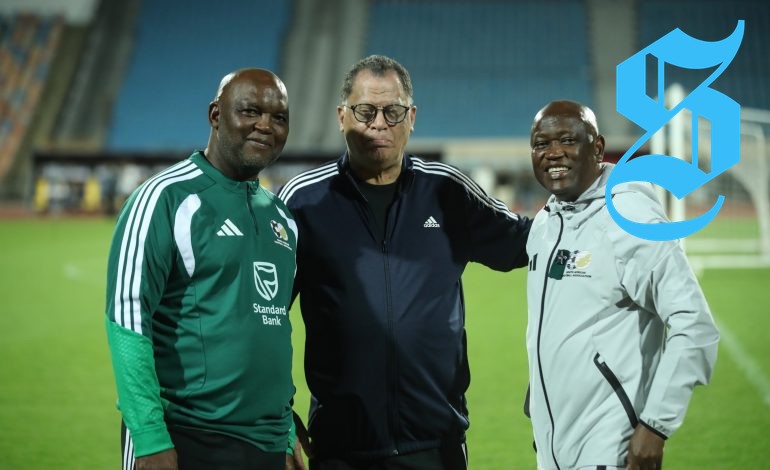
Pitso Mosimane: Embracing Pressure in Football Coaching - A Deep Dive into His Philosophy and Vision
In the high-stakes world of football management, few understand the intensity that accompanies the role quite like Pitso Mosimane, the newly appointed coach of South Africa’s national team, Bafana Bafana. At 62, he has carved a name for himself as a resilient leader, capable of steering teams through the stormy seas of expectations and results. Mosimane's uncompromising stance on the inevitable pressures of coaching has resonated widely, making him a figure of both respect and intrigue in South African football.
With a flawless start to his tenure, winning all three of his initial matches—against Eritrea and Guinea in the qualifiers for the 2027 Africa Cup of Nations (AFCON) and against the formidable Egyptian side in an international friendly—Mosimane's rationale for embracing pressure rather than shying away from it is more pertinent than ever.
Speaking candidly to reporters, he stated,
“If you don’t want pressure, don’t coach Bafana Bafana. In fact, don’t coach any team. Every coach is under pressure.”Such remarks reveal a deep understanding that results matter fiercely in football—a truth that transcends the elite levels of the game down to local clubs. Mosimane further elaborated that every team, regardless of stature, is susceptible to scrutiny and expectations, stating that,
“The moment you are no longer under pressure, you must start asking yourself whether you are in the right space.”
Mosimane's approach to pressure can be likened to a well-known analogy used by his colleague, Steve Komphela, regarding a tea bag in boiling water.
“Whether it’s green tea or red tea, you only discover what it is when you put it in hot water. We are constantly under pressure, and that pressure reveals who we are. Pressure must also be fuel for you.”This metaphor encapsulates the essence of high-performance scenarios—revealing character under duress and the capacity to harness stress as a motivator rather than a hindrance.
The Need for Corporate Investment in Football
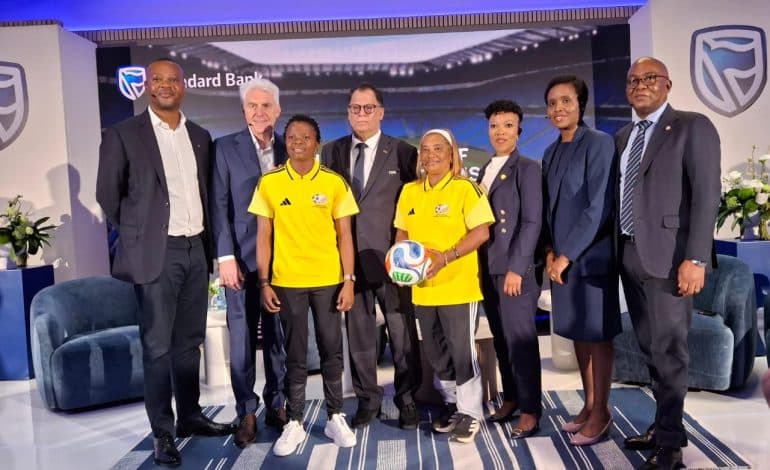
Beyond the personal philosophy of dealing with pressure, Mosimane voices a larger concern—a call for increased corporate investment in South African football, especially at the grassroots level. He poignantly highlighted the variance in facilities available to school children compared to those at some professional clubs.
“Can we have school football sponsored by big companies? My son plays football at school, and when I go there, I see amazing things.”
His comparison drew attention to the reality faced by young aspiring footballers who often find themselves in inadequate training environments.
“That’s the reality—where I come from, in San Antonio, we don’t even have nets where we play. It’s a fact,”he said, not shying away from addressing the glaring discrepancies in resources available to youth versus the potential investment by major corporations.
This call to action resonates with critics who have long claimed that South African football struggles at multiple levels due to a lack of foundational support. Mosimane’s advocacy for school football sponsorship aligns with visions for a more robust development model in youth football, strengthening the national team's pipeline and future potential.
The Wider Context: Global Football Landscape
Mosimane's comment on global football cannot be overlooked.
“The whole world plays football. It’s not just 10 or 12 countries that you compete against. Everybody plays football.”His words reflect an awareness of a rapidly evolving football landscape where even nations previously thought insignificant can spring surprises on the international stage. The reality of football in modern times dictates that nations unite through a common passion for the sport, but also grapple with varying socio-economic realities affecting their sporting infrastructures.
This wider view provokes thoughts on how South Africa can catch up with other countries that leverage substantial investments in sports foundations and training facilities.
“You have countries at the World Cup that sometimes you didn’t even know existed,”Mosimane asserted, underlining the need for South African soccer to rethink its approach to nurturing talent in a competitive global arena.
Reflecting the sentiment of many, Mosimane's observations beckon the question: Should private enterprises take a more active role in elevating local sports organizations? This query has sparked a larger dialogue among fans on social media, with hashtags like #InvestInFootball trending as supporters rally to Mosimane's side.
Social Media Recactions
When Mosimane's comments hit social media, the reaction was swift and multifaceted. Admirers praised his candidness and realistic outlook on both coaching and youth sports funding. One fan tweeted,
“Pitso is right—pressure is part of the job. Every coach should embrace it!”Others mirrored this sentiment, emphasizing the importance of pressure in refining skills and leadership qualities.
However, some skeptics took to social media to challenge Mosimane's assertions, arguing that pressure could also lead to negative outcomes and emotional distress for some coaches. A well-known sports commentator tweeted,
“Is pressure a good thing? Sometimes it breaks coaches instead of building them up.”This tweet sparked a debate about mental health in sports management, illustrating that while pressure can drive success for some, it can also lead to burnout and stress for others.
Looking Ahead: The Journey Continues
As Bafana Bafana prepares for their upcoming matches against Kenya’s Harambee Stars—first at Orlando Amstel Arena on 13 November, followed by a return fixture at Nyayo Stadium on 17 November—Mosimane’s philosophy will undoubtedly be under the microscope. With the weight of a nation’s expectations resting on his shoulders, the upcoming fixtures provide more than just points in a qualification race for the AFCON; they present an opportunity for Mosimane to further cement his legacy as a coach who has not only embraced pressure but also called for a transformative investment in the future of football in South Africa.
As fans rally behind their team and the ideas Mosimane puts forward, there is no denying that this passionate leader is setting the stage for a whole new chapter in South African football—a chapter that is as much about results as it is about responsibility and growth.


No comments yet. Be the first to share your thoughts!