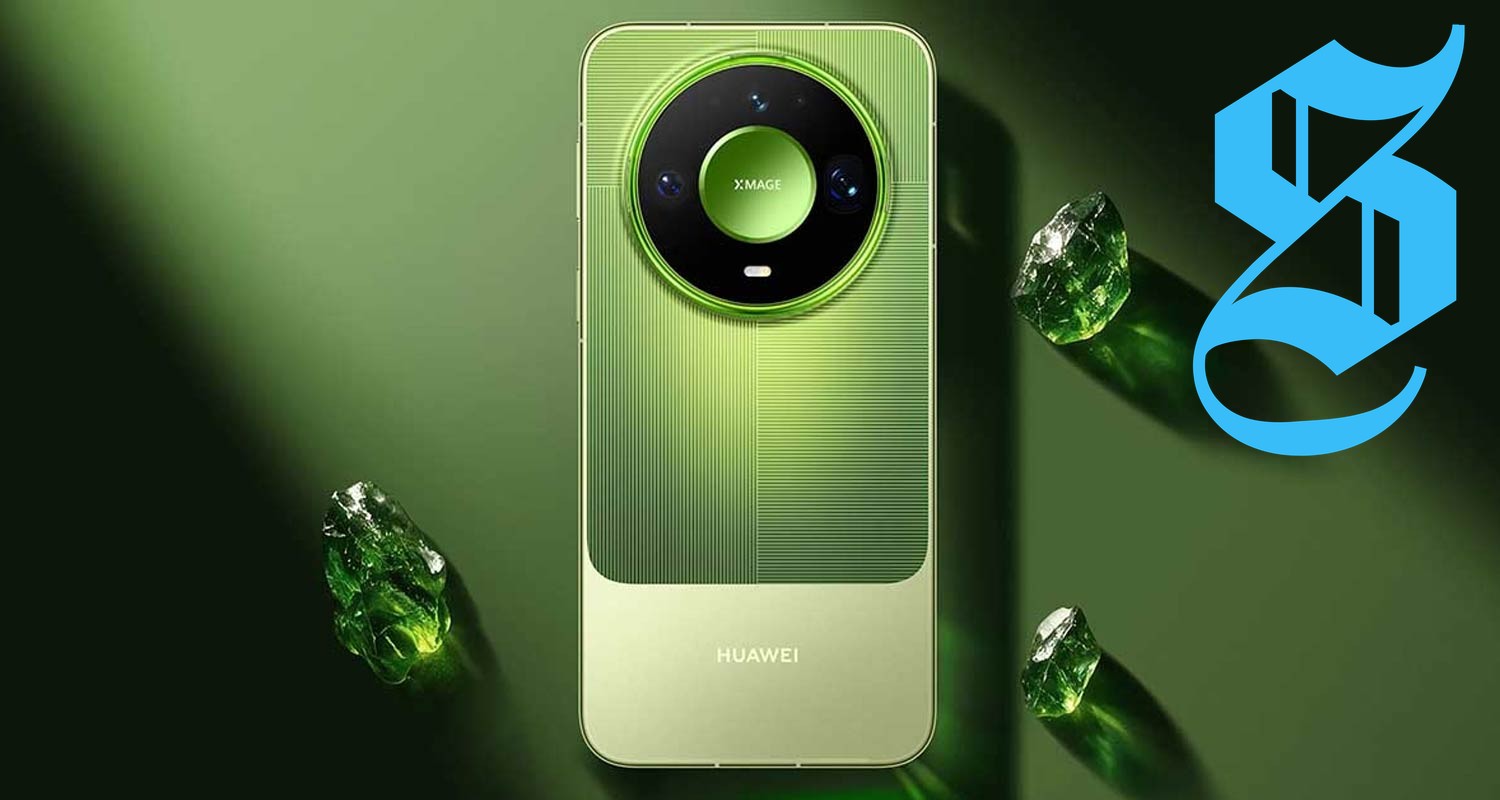
Huawei Technologies has recently unveiled its much-anticipated Mate 90 smartphone series in a strategic response to the stringent US restrictions on advanced semiconductor shipments. The launch, which took place on Thursday, marks a significant moment for the company, as it pivots towards in-house innovation and redesigning chip architecture to maintain competitiveness and performance levels despite geopolitical hurdles.
During a press briefing held on Tuesday,
Richard Yu, the chief of Huawei's consumer business segment, candidly addressed the ongoing challenges the company faces regarding the supply of advanced chips. He remarked,
“Advanced semiconductor capacity remains very limited in China, and Huawei’s Ascend AI chips also draw on that same capacity.”This acknowledgment highlights the profound impact of US sanctions on Huawei's operations, primarily targeting its access to cutting-edge semiconductor technologies.
The new Mate 90 series is characterized by its flagship models, including the Mate 90 Pro Max, which are powered by Huawei’s innovative Kirin 9050 Pro chip. This system-on-chip employs a unique manufacturing method that Huawei has dubbed “LogicFolding.” This pioneering approach restructures a chip's internal wiring in a three-dimensional configuration instead of the traditional two-dimensional layout, resulting in denser and faster processing capabilities. However, Yu noted that this method involves higher production costs and requires more wafers, signaling a significant investment in the company’s manufacturing processes in the face of constraints.
The Mate 90 series operates on
HarmonyOS 7, Huawei's proprietary operating system, which has been gaining traction in recent years. The company claims HarmonyOS 7 supports over 450,000 apps and services, showcasing the ongoing effort to build a robust ecosystem independent of Google’s Android platform. In tandem, Huawei boasts that the top-tier Mate 90 models deliver a remarkable 31% boost in overall performance compared to their predecessors from the Mate 80 series that debuted in November 2022.
Pricing Dynamics and Market Strategy
As Huawei rolls out its premium offerings, the pricing strategy is evidently reflective of broader market conditions. The Mate 90 Pro Max, equipped with 16GB of memory and 512GB of storage, has a price tag of C¥9,999 (approximately $1,400), representing an increase of C¥2,900 from the same configuration of the previous model at launch. Meanwhile, the standard and Pro variants are priced starting at C¥5,999 and C¥6,999, respectively, which further underscores the premium positioning strategy Huawei is adopting amidst rising production costs.
The entire smartphone sector in China is currently facing pressures from elevated memory and component costs which have necessitated a shift towards premium models with higher price points. Yu commented on this phenomenon, indicating that rising memory prices have inflated the cost for each device by an average of
“US$200,”which has started to erode Huawei's profit margins. He stated,
“We have to increase prices as well, yet at a slower pace.”This reflects the fine line Huawei must navigate between maintaining profitability and ensuring consumer accessibility.
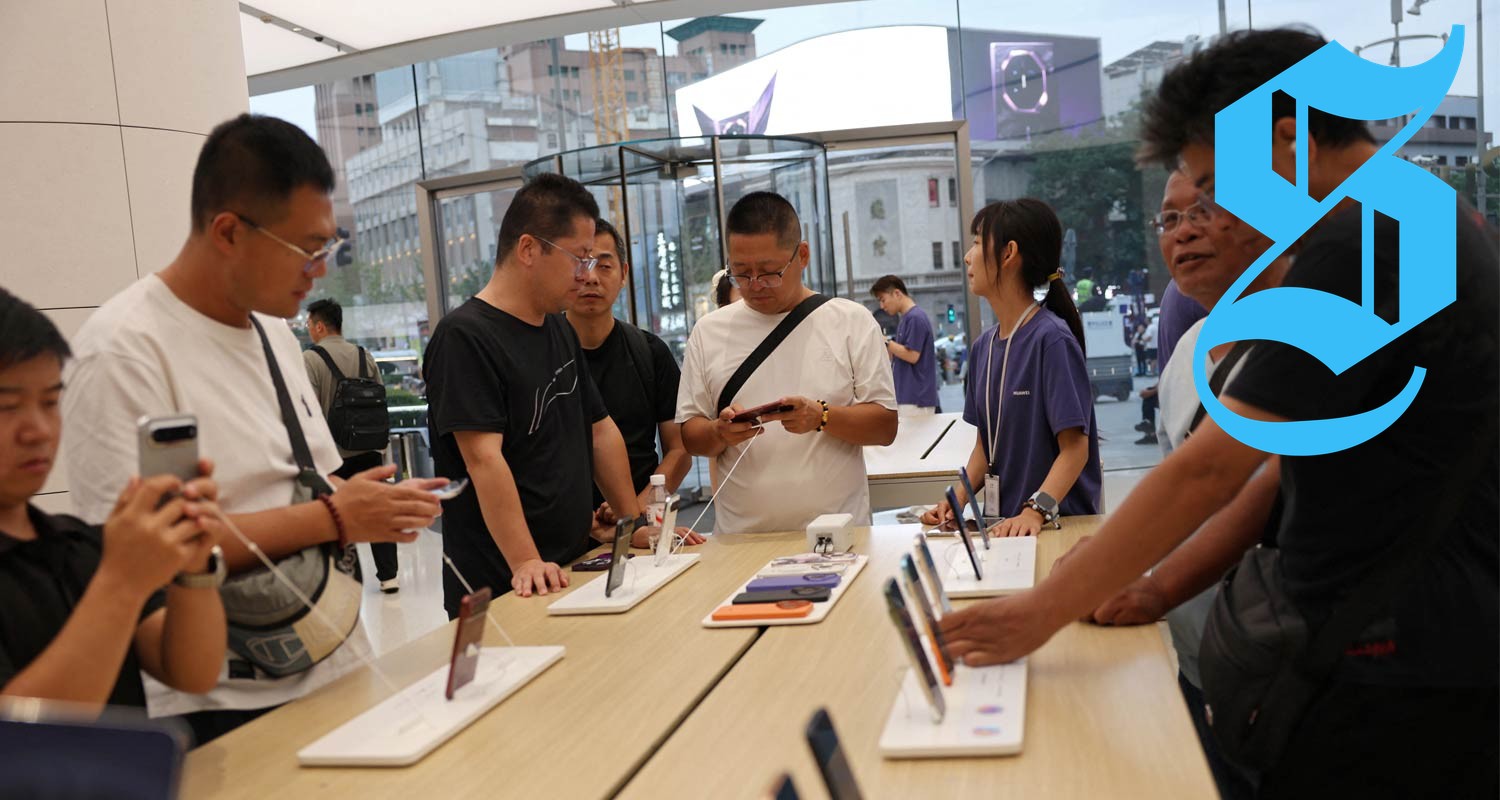
In the broader context of the Chinese smartphone landscape, the market has witnessed a downturn, with domestic shipments decreasing by 7% year-on-year from January to August. In contrast, Huawei has bucked this trend, achieving a 13% increase in shipments, according to data from International Data Corp. Meanwhile, the average selling price of smartphones in China has surged by 11.3% year-on-year in the second quarter, rising to approximately $543. However, Huawei’s average selling price has conversely decreased by 14.7% to $628, indicating the pressures the brand faces to stay competitive.
Foldable Phone Market Insights
In related developments, the smartphone market has become increasingly competitive, particularly with the recent announcement of Apple’s first foldable phone, the iPhone Duo. This move into the foldable segment, traditionally dominated by Huawei and Samsung Electronics, represents a new challenge for the Chinese giant, which Yu claims currently holds about 75% of the foldable phone market in China. He expressed his perspective on this development, stating,
“I am very pleased to see the launch of a similar product by our peers.”
In anticipation of the competitive dynamics following Apple’s launch, Huawei reported a notable spike in sales of its Pura X Max foldable device, which saw a remarkable 76% increase in sales week-on-week shortly after Apple’s announcement. According to Yu, shipments of the Pura X Max, which matches the size of the iPhone Duo, have exceeded 1.2 million units since its debut in April. This achievement reinforces Huawei's stronghold over the foldable market, especially as it continues to innovate in this rapidly evolving segment.
Industry analysts at Counterpoint Research project that Apple could ship approximately six million units of the iPhone Duo in 2026, with China being a substantial contributor, representing nearly 25% of these shipments. These projections indicate the fierce competition and consumer interest surrounding foldable technology, a category where Huawei has already established a robust presence.
As Huawei prepares to navigate these choppy waters of international sanctions and heightened competition, the Mate 90’s advanced chip design and commitment to innovation and independent software solutions may well dictate its success in an increasingly challenging market landscape. The company’s ability to adjust pricing strategies while enhancing product offerings will remain pivotal in maintaining its relevance and market position amidst a technology arms race that shows no signs of abating.
In conclusion, Huawei's Mate 90 series launch is not merely a product roll-out; it is a strategic maneuver in the larger narrative of technological independence and innovation against a backdrop of geopolitical challenges. The company’s efforts to innovate and redefine its operations will likely resonate in the evolving smartphone market, setting the stage for more developments and competitors in the years to come.
No comments yet. Be the first to share your thoughts!