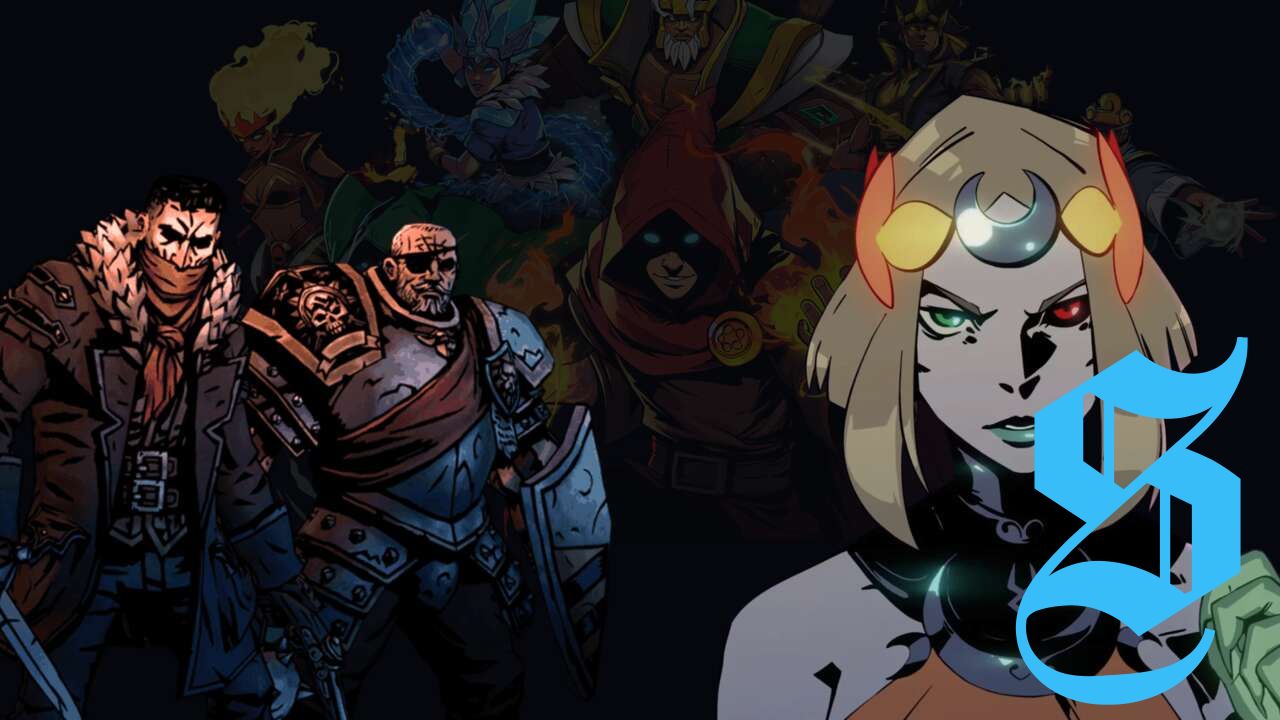
For any studio, achieving enough interest and success in a video game to justify a sequel is commendable. However, in a saturated space like roguelikes and roguelites, a sequel might become a necessary burden instead of a chance to explore ideas further.
The roguelike genre is rich with creativity, thanks to the efforts of numerous small studios that have nurtured dedicated communities over the years. The popularity of this genre has grown, with larger industry names dipping their toes in. Some introduced alternate modes separate from the main experience, such as in titles like Prey: Mooncrash or God of War Ragnarok: Valhalla. Others, like Returnal and Elden Ring Nightreign, have emerged as AAA productions based on these concepts.
As developers continue to explore this creative space, whether with innovative games like Balatro and Buckshot Roulette or those trying to replicate the success of titles like Vampire Survivors, the rising trend of sequels has become somewhat detrimental, potentially stifling creativity.
Consider the long list of sequels: Spelunky 2, Hades 2, Rogue Legacy 2, and more. Even blockbuster productions are indulging in this sequel craze, as evidenced by Housemarque, known for Returnal, revisiting with Saros.
While it's understandable for developers to chase success, this trend can hinder new creative endeavors. Critics may argue it’s a case of "suffering from success," but there are genuine drawbacks to this situation.
Creating something novel when the genre is still evolving can be challenging, especially when successors face competition from other games inspired by the original. Developers approach sequels with varying perspectives—some refine existing ideas, like in Rogue Legacy 2 and Hades 2, while others, such as Darkest Dungeon 2 and Risk of Rain 2, venture bolder paths.
The case of Darkest Dungeon 2 illustrates this perfectly. Initially met with criticism for its departure from the first game, which combined roguelike elements with a town-management sim aspect, the sequel shifted gears to align more closely with conventional roguelites. As a result, developer Red Hook Studios had to adapt rapidly to community feedback to improve the game.
Such shifts in direction can lead to extensive development timelines, often leaving studios working on the same title for years. A sequel offers a second chance, yet it also risks creative stagnation and the weight of high expectations.
Even noted games like The Binding of Isaac continue to expand with DLCs despite repeated promises of conclusivity. Meanwhile, projects like Mewgenics have experienced delays since being announced back in 2012.
Dead Cells stands out as one of the most successful roguelites in recent years, featuring 35 updates and years in early access. After the 1.0 launch, it received additional paid expansions before the development transitioned to another studio. This shift allows the original creators to explore new ideas without being tied to the previous game's legacy.
However, not all studios enjoy the same luck as the creators of Dead Cells. For many, recycling successful concepts proves a safer development route, overshadowing the potential for creating something fresh.
As we look ahead, the year 2026 promises another wave of roguelike releases, but studios find themselves in a predicament. Chasing sequels can ensnare developers in the expectations and innovations presented by their predecessors, making it increasingly challenging to introduce distinctive new ideas.
The allure of roguelites lies in the learning curve and the unique experience of multiple runs. Yet, developers now grapple with the risk of becoming too repetitive or compromising their vision to meet player expectations, faced with the exhausting task of producing updates in an ever-thriving genre.

No comments yet. Be the first to share your thoughts!