South Africa's Digital ID: What You Need to Know Before It Launches
In a groundbreaking announcement poised to reshape the identity landscape in South Africa, Home Affairs Minister Leon Schreiber unveiled the nation's first working digital ID this past Thursday in Johannesburg. This pioneering move is expected to enhance security and simplify processes for citizens, but the public still faces a wait before they can access this innovation.
During a live demonstration, Schreiber presented his digital identity credential using a smartphone, setting the stage for what he believes could be a transformative approach to personal identification in South Africa.
“What you are about to see is not only a real working digital identity credential that has been formally issued through the population register and securely bound to the chip on the smartphone I will soon use,” Schreiber said. “What you are about to see is my own real digital identity credential.”
The demonstration was the focal point of his address marking the halfway point of the government of national unity’s term. In a broader context, Schreiber also announced plans to phase out the traditional green ID book, which has been a staple of South African identity documentation for decades. This overhaul is part of a larger initiative to modernize passports, birth registrations, and visa applications.
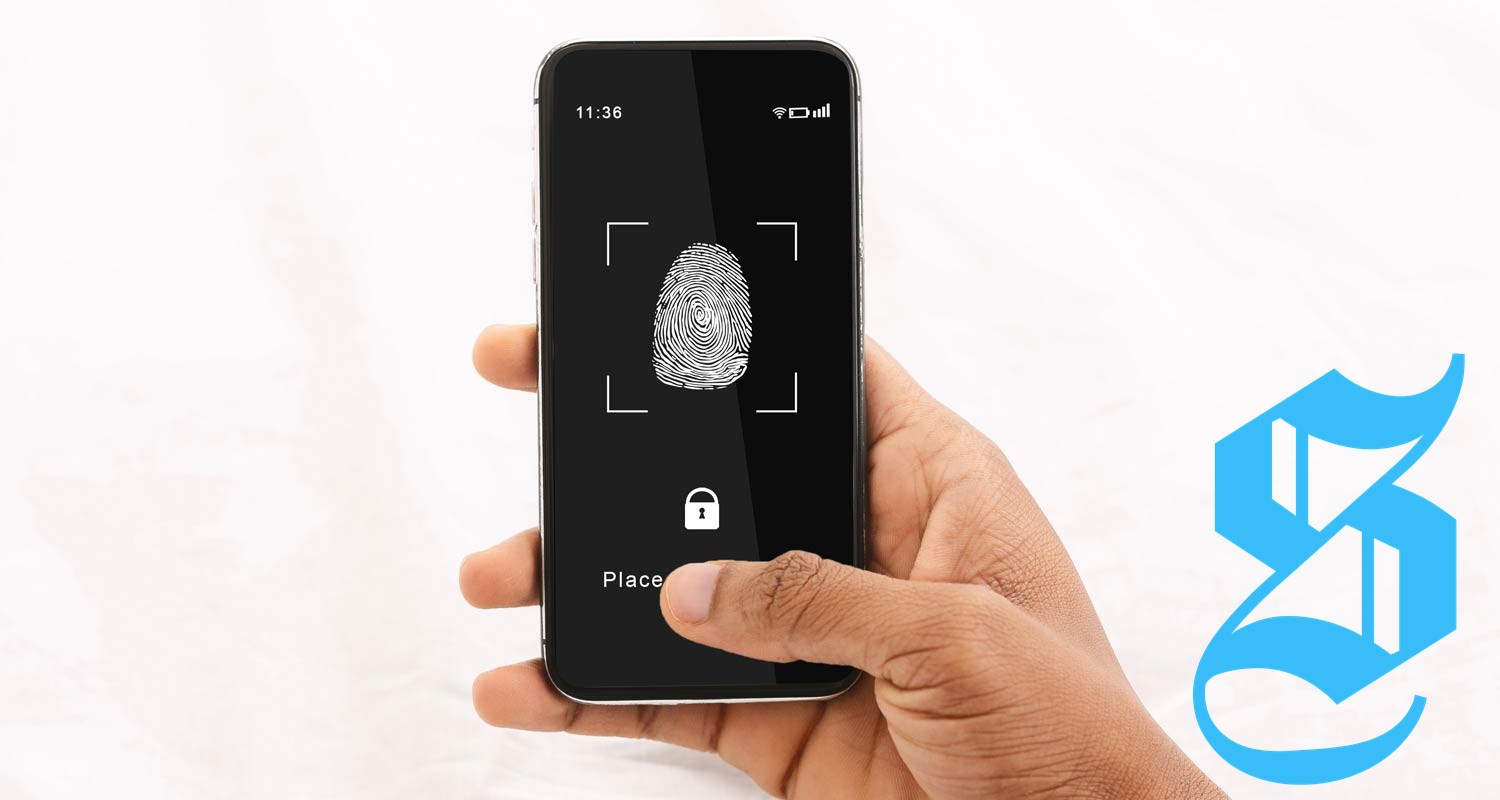
As Schreiber unveiled the MyMzansi digital ID app, he confirmed his identity with his thumbprint – an interaction aimed to emphasize biometric security as a central feature of this new system. With screens displaying his image from the national register, Schreiber demonstrated a verification process where director-general Tommy Makhode, a leading figure in South Africa's immigration framework, played the role of an official verifying citizenship.
The process was designed to showcase the app's capacity for secure identity verification without revealing sensitive personal information, a crucial consideration in an age dominated by concerns over data privacy and security.
“Digital ID cannot and will not be a photograph of your ID card on your phone,” Schreiber stated. “What we are building is a remote verification tool linked to the user’s biometrics.”
This assertion generates significant discussion among citizens cautious of governmental oversight and the potential for invasive surveillance. Schreiber attempted to alleviate such concerns by assuring that the digital ID would facilitate a digital empowerment model: citizens will have authority over their data, with access logs available for each time their identity is accessed.
A critical aspect of the system is its wallet feature, which promises to house various home affairs credentials such as birth and marriage certificates and will be launched under a mobile platform. However, no specific launch date for public access has been disclosed.
According to earlier performance plans shared in March, the estimated timeline indicates that citizens may see a launch of digital IDs in the financial year 2027/2028. This includes ongoing public consultation regarding draft regulations that have come under scrutiny, particularly the reliance on 2D selfies for liveness verification.
“Surveillance is the state watching the citizen. What we are building is the opposite: the citizen watching the state and other users of their data,” Schreiber emphasized, highlighting a perceived shift in trust in the state-citizen dynamic.
Assuredly, the digital ID aims to simplify many bureaucratic processes, eliminating long queues and extensive paperwork. As Schreiber elaborated, the system has the potential to automate notifications for passport renewals and streamline the renewal process to the extent of allowing individuals to simply verify their identities and make payments without the need for fresh applications.
“You verify it with your face, make payment and your new passport is delivered directly to your door. No queue, no form, and now not even an application,” he stated.
The Future of Passports and Personal Documentation
Furthermore, the initiative is not limited to digital IDs. Schreiber announced that applications for passports and first-time smart IDs will soon be available in participating bank branches – a significant accessibility boost aimed at improving citizen experiences. This follows the recent introduction of courier delivery services for smart ID replacements.
The government is also working on creating an e-passport system featuring biometric security—a move that may finally align South African passports with international standards of secure travel documentation. Schreiber noted that these new documents could eventually have their biometrics read electronically at international airports, removing procedural bottlenecks currently encountered by travelers.
Future Automation for Births, Marriages, and Deaths
Looking towards the future, the Department of Home Affairs has outlined plans to automate applications for birth, marriage, and death certificates, leveraging similar biometric technology as with digital IDs. Schreiber stressed the importance of easing registration processes, sharing his personal frustrations regarding antiquated systems involving long waits and unnecessary paperwork when registering significant life events.
“I bitterly complained when I recently had to do this myself,” he admitted, embodying a sentiment shared by many South Africans experiencing bureaucratic hurdles.
Ultimately, the aim is for every citizen to be documented by the financial year ending in 2029, with mobile biometric systems allowing for more community-based outreach and efficiency.
The Road Ahead for Visas and Border Management
The unveiling of the electronic travel authorization (ETA) system, previously launched by President Cyril Ramaphosa, marks another leap towards comprehensive digitization within the immigration framework. The ETA is currently operational for short-stay visa applications across 53 countries, with more anticipated.
The Home Affairs Department and the Border Management Authority (BMA) are poised to implement additional automated security measures, enabling biometric verification technology at various ports of entry. Schreiber praised the evolving system, stating,
“You cannot bribe a computer.”
This progress is part of a larger public-private partnership valued at R12.5 billion, aimed at reconstructing the country's busiest land entry points, enabling seamless travel and enhanced trade security.
Conclusion: A New Era of Digital Identities
In summary, South Africa finds itself on the precipice of a technological transformation with the introduction of the digital ID system. Stakeholders, from governmental officials to everyday citizens, are filled with anticipation and skepticism alike as the nation moves towards a more biometric and digital-dependent future. The success of this initiative not only relies on technological capabilities but also on the public’s trust in the system's security and integrity.
As more details emerge regarding the regulations and functionality of the digital ID, public discourse will be pivotal in shaping the policies and practices that govern this new system. Citizens await greater clarity on when they can expect to access their digital IDs and the impact such tools will have on their daily interactions with government services.
By bridging the gap between digital innovation and public confidence, South Africa aims to lead the way in modern identification solutions and redefine the engagement between the state and its citizens.
Our Take
The launch of South Africa's digital ID marks a significant advancement in citizen-state interaction, empowering individuals with greater control over their personal data while streamlining bureaucratic processes.
Quick Answers
What is South Africa's first working digital ID?
It is a digital identity credential formally issued through the population register, demonstrated by Home Affairs Minister Leon Schreiber on a smartphone.
When will the public be able to obtain a digital ID?
While no specific launch date has been provided, credentials are expected to be issued through a mobile wallet in the 2027/2028 financial year, pending the completion of infrastructure by March 2027.
How will the digital ID ensure user privacy?
Digital ID users will see every time their data is accessed, and the final regulations will impose limits on how their data can be used. It will also be secured using biometrics.
What other home affairs services will be automated?
The applications for birth, marriage, and death certificates will be automated, and home affairs plans to allow these to be requested at over a thousand bank branches.
What is the purpose of the electronic travel authorization (ETA) system?
The ETA system aims to facilitate online short-stay visa applications for foreign travelers, with plans to automate visa processing and improve border management across all ports of entry.




No comments yet. Be the first to share your thoughts!