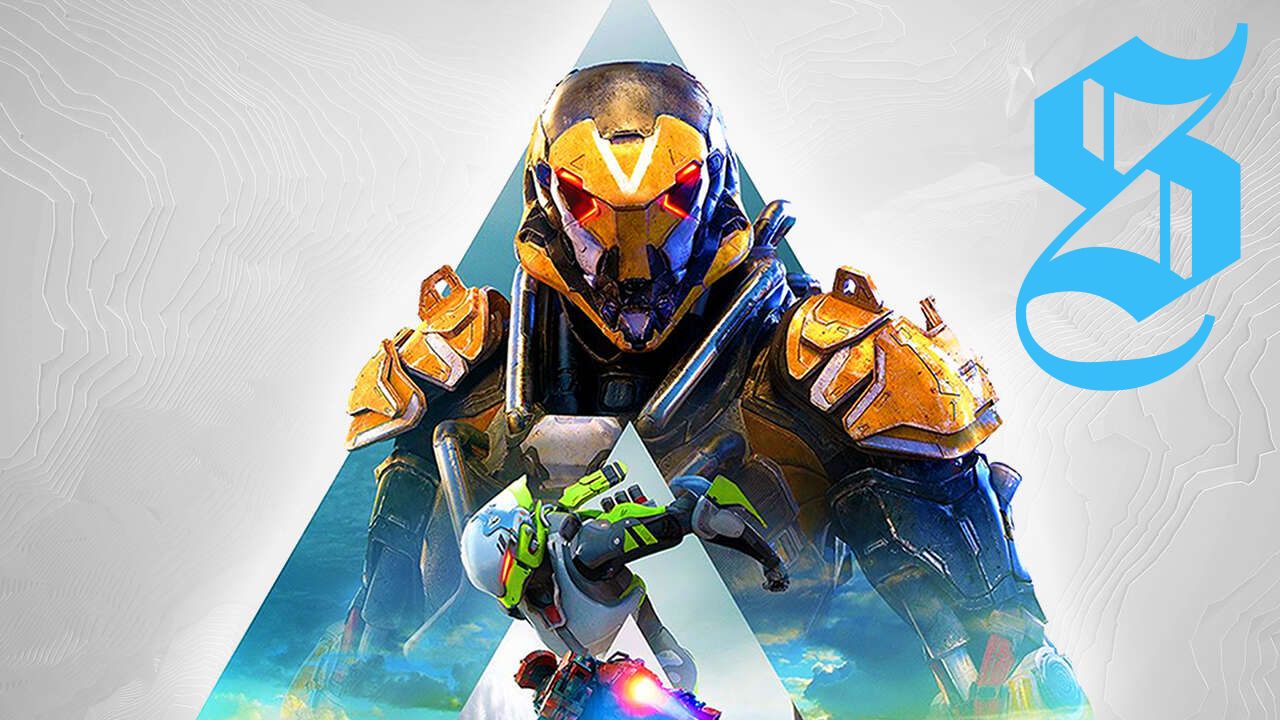
Following the shutdown of Anthem, the debate around the ultimate fate of video games is reignited.
During a July 2025 shareholders meeting, Ubisoft CEO Yves Guillemot aptly pointed out, "You provide a service, but nothing is written in stone, and at some point, the service may be discontinued. Nothing is eternal." He remarked on the growing consumer movement, "Stop Killing Games", which protests against the perceived planned obsolescence in online gaming, a movement gaining momentum post the closure of Ubisoft's The Crew.
Guillemot’s words may seem dismissive to some, much like a political figure downplaying constituents' concerns with a grim outlook. However, the ephemeral nature of live-service games is rarely addressed openly by developers until it’s time to shut them down. This lack of transparency leads to a striking absence of acknowledgment that online games will ultimately cease to exist.
Companies release new games with aspirations to resonate with players indefinitely, aiming to create the next major success like Fortnite or Destiny 2. Yet, as we see various titles struggle in the market—think Concord, MultiVersus, and XDefiant—the goal to emulate these giants becomes increasingly challenging.
When pondering the sustainability of games like Fortnite, it’s clear nothing lasts forever. One day, Epic Games will stop rolling out content, signaling the end for the beloved title.
Although some companies can reduce the likelihood of games being abruptly shut down, it doesn’t eliminate the reality of gaming's mortality. Developers should strategically consider how to gracefully conclude their creations.
Nintendo, traditionally not a specialist in online gaming, introduced a unique concept with Splatoon 3 by establishing a definitive timeline of support for the game—only two years of seasonal updates. This decision, while viewed as controversial, allowed players to enjoy the experience with a heightened sense of urgency.
Recalling my time in Splatoon 3, it was a bittersweet experience influenced by the knowledge of its timeline. Despite its potential for success, I felt an underlying awareness that its life was preordained for conclusion, a sentiment echoed in past titles like Super Mario Maker 2.
Conversely, Mortal Kombat 1 faced backlash over its purportedly limited support. While executives spoke of extensive content, the relatively brief lifespan and modest updates had fans questioning the game's longevity. This reaction showcased the delicate balance between developer promises and player expectations—where a lack of clarity can spiral into public relations chaos.
Modern gaming creates a paradox where players constantly demand more content. If games are not regularly updated, they risk being deemed "dead." Yet, many also argue that the pressure for endless expansion leads to gameplay fatigue and feelings of obligation.
Going forward, live-service developers could benefit from defining a clear endpoint for their offerings. Though initially a bitter pill to swallow, it could enhance the overall experience within that timeframe.
Developers focusing on distinct goals can transition to new projects, while players align their expectations with the structured timeline. Such transparency may not appease all shareholders, yet it warrants consideration.
Nevertheless, we must address the conversations around total shutdowns of live-service games. With the shutting down of games like The Crew, numerous factors such as legal, financial, and ethical implications arise, fueling debates about player preservation and the ramifications of rendering a game entirely unplayable.
Options for preserving gaming experiences are limited but could include offline modes or private servers. While implementing these measures requires time and effort, they're crucial for preserving player access.
Lastly, the gaming industry must reassess its practices to move away from the expectation of limitless content, preparing for moments when games will eventually wind down. It’s essential for developers to contemplate the complexities of a game's lifecycle and how to approach 'end of life' scenarios thoughtfully, as the notion of "forever" is ever decreasing.


No comments yet. Be the first to share your thoughts!