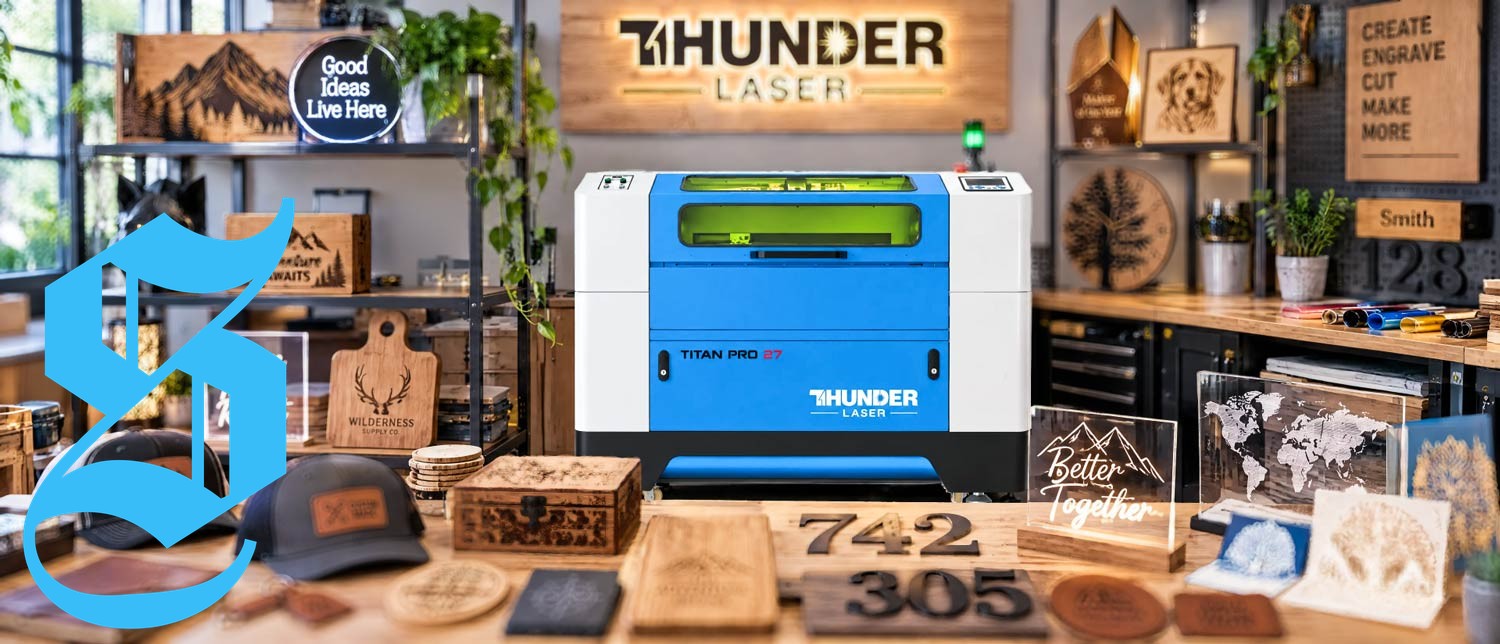
Starting a small business can be both an exhilarating and daunting venture. Among the myriad of decisions that entrepreneurs must grapple with, one of the most significant is determining what product to manufacture. In a consumer market characterized by rapid shifts in demand, making the wrong choice could lead to financial setbacks and the burden of unused machinery. This is where laser technology enters the fray, offering small businesses a flexible and innovative path forward.
Investing in equipment tailored for a specific product line can be particularly risky; if trends change or competition intensifies, that investment may quickly become obsolete. Enter laser technology, a versatile solution that empowers entrepreneurs to pivot their focus and diversify their product offerings without the hefty risk associated with traditional manufacturing methods.
One Machine, Dual Capabilities
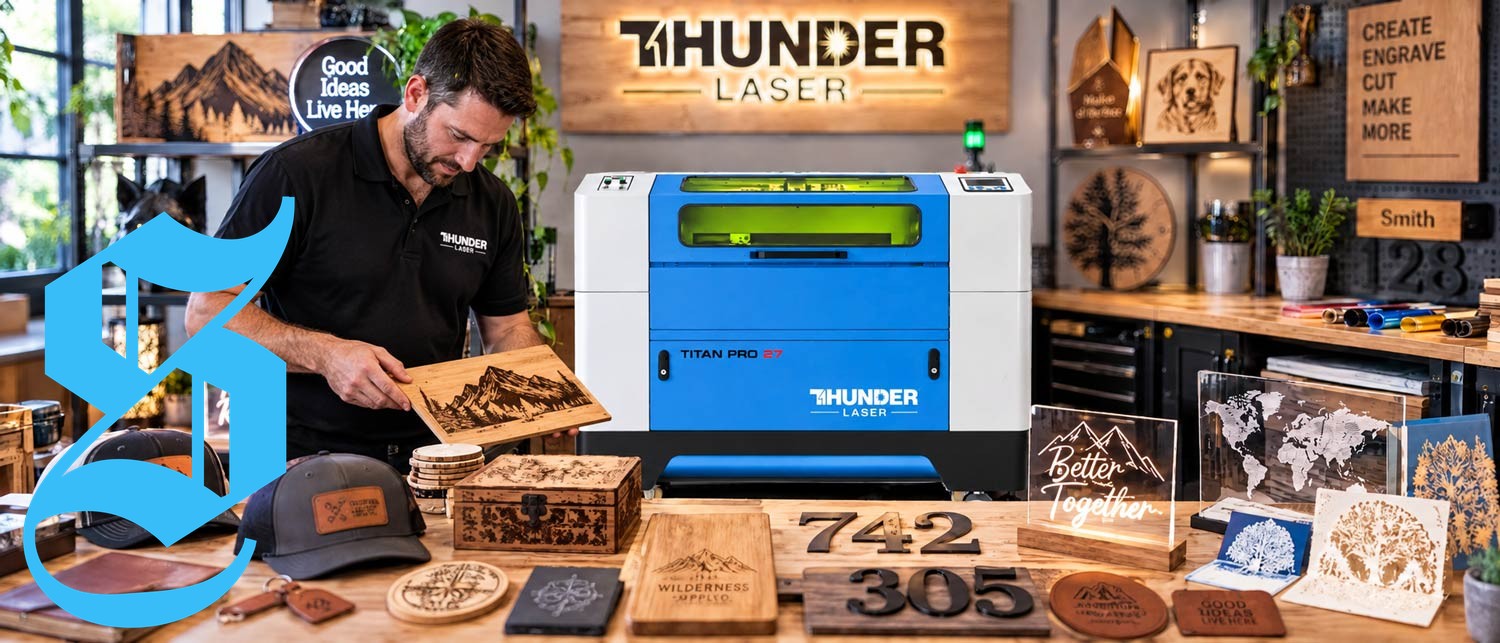
A singular laser machine holds the power to revolutionize a business model with its dual capabilities: cutting and engraving. Depending on its specifications, a laser cutter can tackle various materials like acrylic, wood, and medium-density fiberboard, effectively producing a range of components from intricate signage to finished goods. Simultaneously, the engraving function allows for detailed customization—be it logos, text, or photographs—adding a personal touch that appeals to many consumers.
This combination of capabilities is one of the cornerstones that make laser cutting and engraving machines particularly attractive to small business owners embarking on new projects.
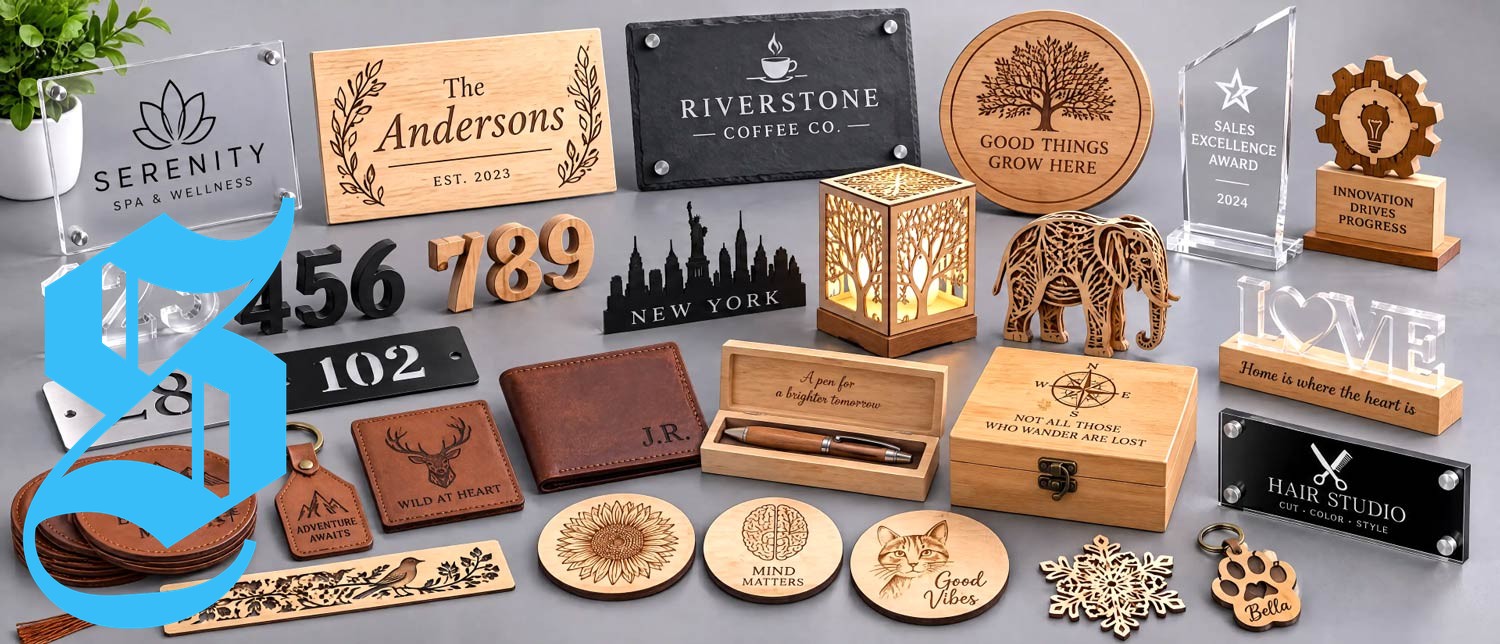
For example, consider the creation of personalized house numbers. With the flexibility offered by a laser machine, components can be cut from a variety of materials while detailed engravings can provide a personalized touch. This same machine can then switch gears to create business signage, home décor, or even wedding decorations, all without the need for additional equipment. Instead of being confined to a single product, the opportunity for creativity and adaptability opens up entire markets.
From Concept to Market: Exploring Multiple Avenues
One of the remarkable aspects of laser technology is its ability to turn existing ideas into profitable ventures. Entrepreneurs need not reinvent the wheel; countless established product categories—such as house numbers, corporate gifts, or wedding décor—exist in today’s market. The magic lies in finding a better design solution, implementing personalization, manufacturing locally, or perhaps offering faster delivery than what competitors can provide.
Professional laser cutting machines grant the versatility needed to shift seamlessly from creating individual components to adding customized touches, all on the same platform. This level of flexibility affords businesses the opportunity to test various concepts in the market without a significant upfront commitment to a sole product.
The process is simple: launch a few prototypes, gauge consumer feedback, and channel production energy into projects that receive the most positive response. This iterative testing can help mitigate risk, a valuable strategy for entrepreneurs hesitant about diving into new products.
Personalization: The Key to Customer Engagement
In today’s consumer landscape, personalization is a booming trend. Cutting serves to create the product, while engraving elevates it by adding a personal touch that resonates with customers. Family names, corporate logos, and even customer photographs transform standard items into cherished possessions or valuable business assets.
When selecting laser engraving machines, small businesses should consider various factors beyond just engraving quality. Essential elements—such as cutting capability, working area size, laser power, and the selection of materials—that the machine can process will influence the range of products available for production. Flexibility in these features allows an entrepreneur to adapt while maintaining their creative edge.
A machine initially intended for crafting signage might later cater to bespoke gifts, while a company specializing in event decor could pivot to creating elegant corporate awards. In every situation, the laser technology’s adaptability is a cornerstone for growth.
A Machine That Adapts with Market Fluctuations
In retail, consumer demand seldom remains static. Products catered to weddings or other events can exhibit seasonal peaks, whereas corporate gift-giving might see a surge as the year winds down. Personalized items, signage, and home décor each come with their own cycles of demand, requiring businesses to be agile in their production capabilities.
A flexible production machine, such as a laser cutter, allows a small business to pivot between different opportunities as they arise. This becomes especially crucial for business owners operating in the evenings or over weekends. Starting on a smaller scale helps entrepreneurs familiarize themselves with the technology while gradually building a customer base. As orders grow, they can expand their product range, elevate production capacity, and potentially reinvest in larger, more professional equipment. What begins as a modest income stream could quickly burgeon into a robust business operation.
Established Businesses Can Also Benefit
Not only startups stand to gain from laser technology. Established businesses find valuable opportunities for leveraging the same flexibility that laser systems offer. Take, for example, a signage company: it could start producing components it once sourced from a supplier. Similarly, a branding firm could extend its portfolio to include personalized merchandise, while a furniture designer might unlock the ability to create custom decorative elements, templates, and engraved branding solutions.
Instead of undermining existing business models, laser technology can seamlessly complement them, enabling companies to diversify their revenue streams.
The True Investment Lies in Flexibility
When businesses evaluate production machinery, conventional metrics like price, power, and specifications are undoubtedly crucial. However, an essential, often overlooked question is: How many ways can this machine generate revenue?
Equipment designated for a singular product can hinge entirely on the market success of that item. In contrast, flexible manufacturing technology enables entrepreneurs to explore numerous avenues—until they find the right fit. If one product flops, another can be tested; if demand fluctuates in one sector, new markets may be explored—all with the same technology at hand.
This versatility is arguably the greatest advantage of contemporary laser technology for small enterprises. Owners are not merely investing in a machine capable of producing one product; they are making a strategic decision to acquire the ability to innovate and adapt continually.
Discover more about how laser technology can benefit your business at www.maxlaser.co.za, or engage with them on Facebook, YouTube, Instagram, and TikTok.
- Explore similar insights from MaxLaser in their featured articles.
- Please note this content has been sponsored.
No comments yet. Be the first to share your thoughts!