The excitement surrounding artificial intelligence (AI) investment appears to be dimming as recent sell-offs in shares of AI suppliers signal a significant shift in market sentiment. As worries escalate about rising interest rates potentially stifling investments reminiscent of America’s historic railway boom, investors are reassessing their positions.
Since OpenAI launched ChatGPT nearly four years ago, there has been a massive influx of capital into companies involved in AI technology—including semiconductor manufacturers, data center operators, and telecommunications providers. However, signs of distress began to surface ominously last June, and concerns have intensified over the past weeks. In particular, a failed data center IPO in Australia last week acted as a bellwether, hinting at a broader crisis among AI investments.
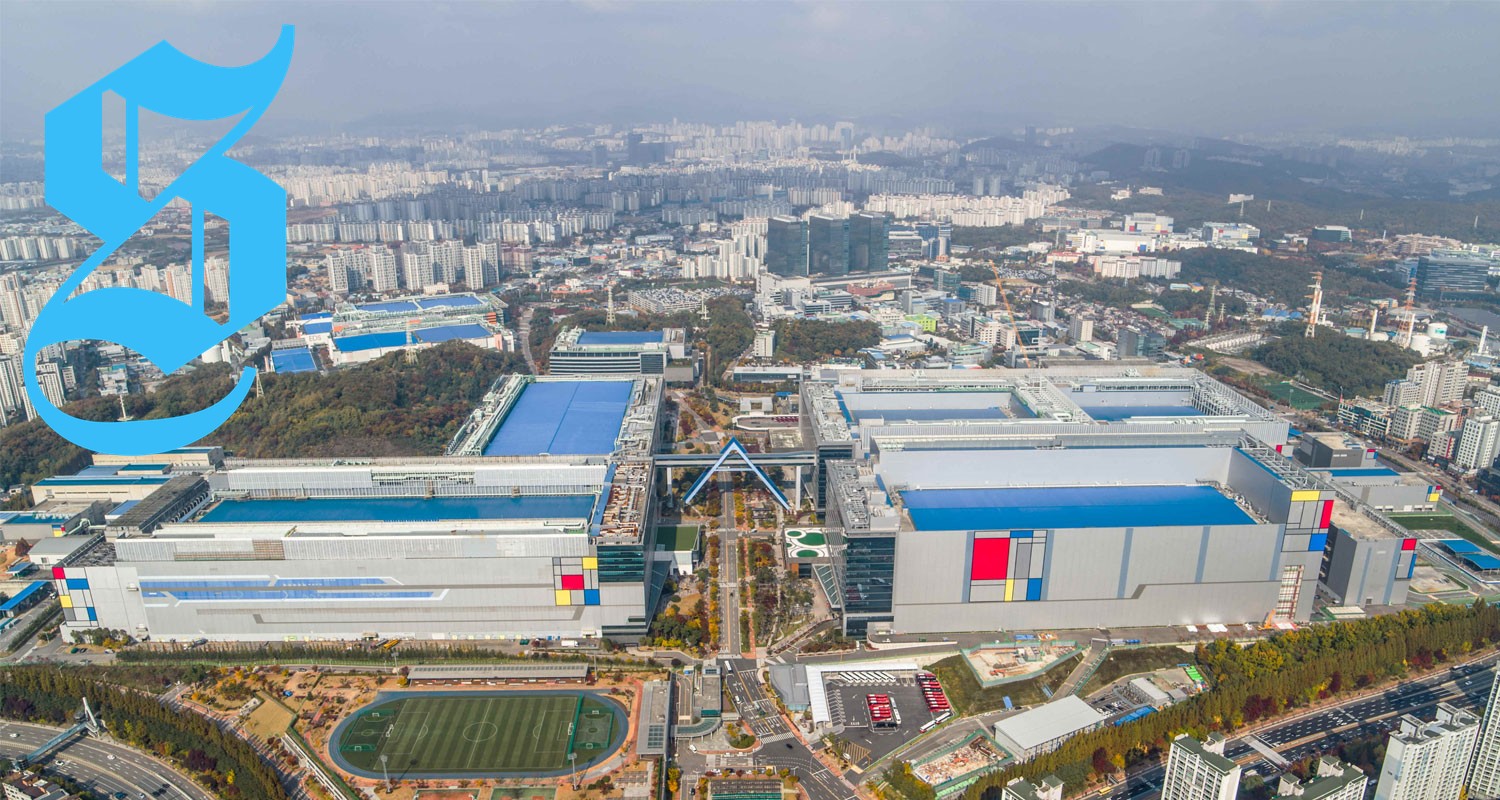
In Asia, stock markets recoiled from the overwhelming sell-off, with South Korean chip-makers experiencing an extended decline, marking a fifth straight day of losses. The benchmark Kospi index plummeted more than 6%, while Kioxia, a memory chip manufacturer in Tokyo, led the decline with a staggering 13% drop in share price. These marked the most severe declines observed since the AI stock plunge observed at the end of July, pushing the Kospi into its longest losing streak in over two years and leaving investors wondering about the viability of AI investments.
In his assessment, Damien Boey, a portfolio strategist at Wilson Asset Management in Sydney, commented on the grim scenario, stating,
“The most important development has been not just bond yields going up, but the volatility for bonds … and that’s starting to work its way out through asset pricing across the board.”He further expressed concern about the sector:
“It’s a very uncomfortable situation on many fronts… Maybe AI capex just comes off the boil a little bit, and maybe a few players are casualties in that.”
Heavy Selling Trends
The Philadelphia semiconductor index—the U.S. benchmark for semiconductor stocks—recorded a 2.7% decline on Monday, with heavier losses impacting major players such as Samsung Electronics and SK Hynix, whose shares fell 10% and 8%, respectively. This downturn comes on the heels of Samsung's optimistic projection of a record US$80 billion quarterly operating profit, primarily driven by a global memory chip shortage, provoking confusion about the disconnect between market optimism and actual performance.
Deteriorating sentiment was echoed by BlackRock, the world’s largest asset manager, which downgraded its outlook for U.S. stocks to neutral. The firm indicated that market volatility could lead to significant implications:
“The consequences of an AI correction could be global,”according to the International Monetary Fund (IMF). The IMF's remarks came in its latest global financial stability report, where it acknowledged the role of AI investment in sustaining world growth. Yet, warnings of diminishing returns surfaced as the agency noted that the anticipated gains from AI investments might not materialize to the extent previously expected.
Investor caution is now evident even in the primary markets. Last week, Firmus, an Nvidia-backed Australian data center operator, was forced to shelve a planned $5 billion IPO, as interest from investors evaporated, further highlighting the rapid shift in risk perception among capital allocators in the sector.
Additionally, Tencent Holdings’ recent sale of US dollar and “dim sum” bonds—a term for debt denominated in Chinese yuan and issued in Hong Kong—illustrated the shifting sands of debt markets. Guidance for their 10-year dollar notes was set approximately 1.15 percentage points above yield levels for U.S. treasury bonds, which currently stand at 5.2%. Just last month, Japanese tech giant SoftBank had initiated the largest high-yield bond deal ever, offering a yield as high as 9.75% on $4.5 billion secured over a term of seven-and-a-half years.
This change in capital sentiment was a key topic at prominent financial conferences across Singapore, where conversations emphasized the importance of capital availability for business growth. During one session, the CEO of Broadcom remarked,
“Capital is the biggest constraint on growth.”Yet, while the picture appeared grim, there are voices against declaring the end of the AI trade.
Some analysts caution against reading too much into the recent downturn. For example, Meta, the parent company of Facebook, saw its shares rise 3.4% following its release of a new AI model, illustrating that not all AI-related companies are feeling the heat the same way. Marc Velan, head of investments at Lucerne Asset Management, opined that the
“brutal session”seen in Korea reflects more on positioning and capital costs than it does on dwindling fundamental demand for AI technologies. He asserted,
“I suspect we’re entering the next phase of the AI cycle, where markets increasingly focus on monetization and returns on invested capital – I wouldn’t call this the end of the AI trade.”
However, Velan notes Korea’s situation could serve as a harbinger of a looming shakeout across the broader AI market.
“But Korea could be an early warning of a broader shakeout,”he cautioned.
As the AI landscape continues to evolve, investors globally remain vigilant and watchful, ready to recalibrate their strategies in response to the changing tides of technology and capital dynamics. The path forward remains uncertain, but the awareness and acknowledgment of the risks involved underscore the necessity for prudential investment behavior during this turbulent period.



No comments yet. Be the first to share your thoughts!