
South African Revenue Service Enters Major Contracts with Microsoft and IBM
The South African Revenue Service (SARS) is making headlines with its recent procurement decisions, which will see the agency paying more than R2.75-billion to technology giants Microsoft and IBM. This significant financial outlay has been approved without the traditional open tender process, sparking discussions around public spending and procurement transparency.
According to the latest annual report released by SARS, the agency is set to pay Microsoft nearly R1.6-billion over the upcoming three years for the renewal of its software licenses and support. Specifically, the Microsoft deal, valued at R1.58-billion, encompasses the renewal of SARS’s Microsoft enterprise license agreement alongside unified support services, translating to about R526-million annually.
Moreover, IBM is also on the receiving end of a substantial financial commitment, with nearly R1.2-billion allocated for the renewal of its hardware, software, maintenance, support, and professional services associated with the agency's operations. This contract, worth R1.17-billion, similarly spans three years.
"This decision to bypass the open tender process raises questions about procurement practices and the implications for public accountability," said finance expert Dr. Thandi Mbuli.
These contracts have been categorized in the SARS 2025/2026 annual report under the section titled "procurement by other means,” indicating deviations from standard competitive bidding processes. Such categories typically refer to what is known as “sole source (limited bid)” awards. This means that SARS took the decision to engage these companies on the premise of pre-negotiated framework agreements, facilitated by the State IT Agency, allowing government departments to engage such suppliers without conducting individual tenders.
Broader Technology Investments Include Additional Contracts
In addition to the large sums allocated to Microsoft and IBM, SARS has also entered into various other technology-related contracts that sidestepped the open tender procedure. Highlights from the report include a R141.6-million contract with Vodacom for services to commence in April 2026, a R95-million adjustment to a subscription with Software AG, R63.8-million earmarked for Dell EMC maintenance and support, and a R55-million allocation for security assessment and penetration testing from Orange Cyberdefense.
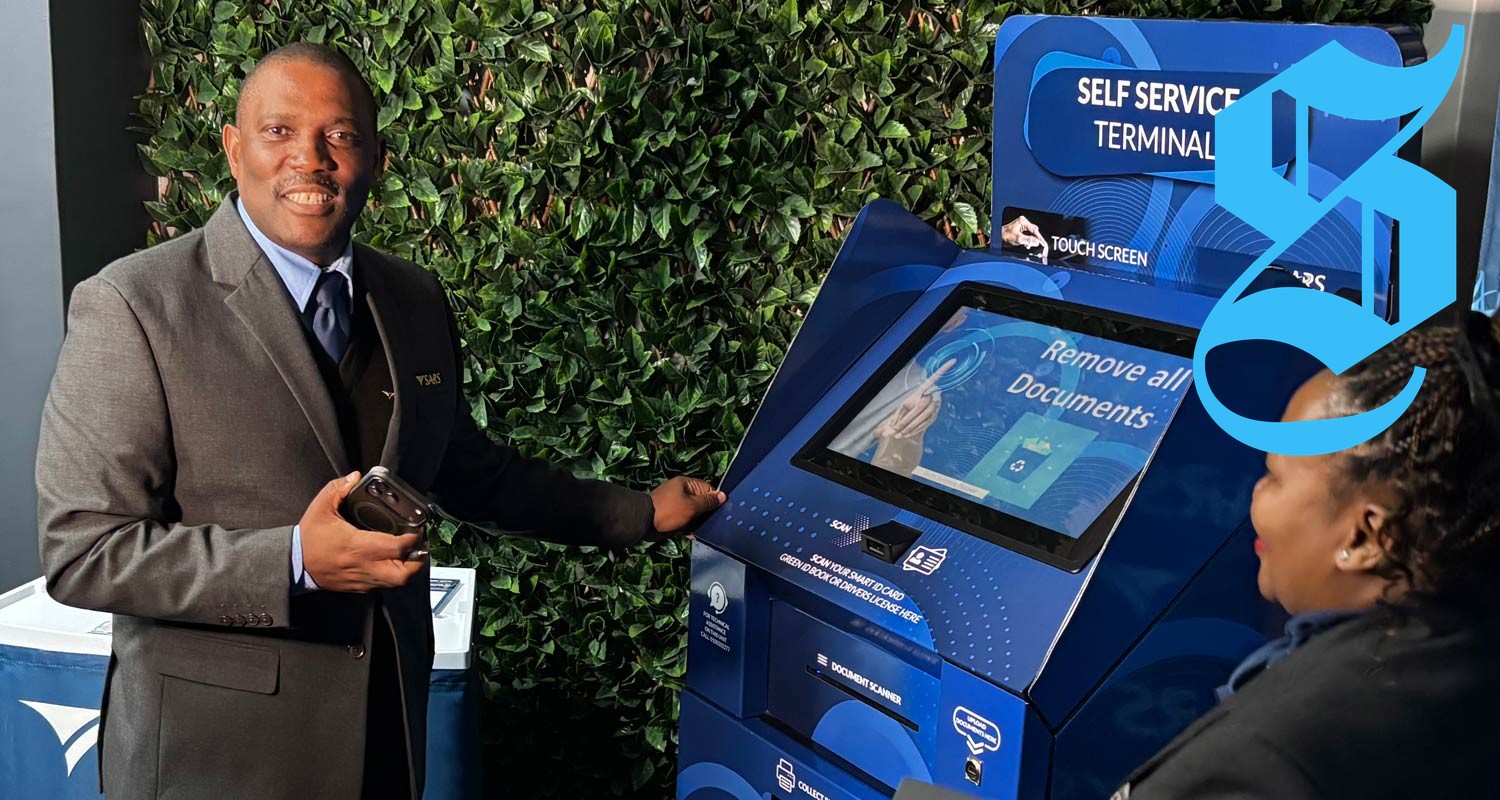
This burst of spending comes at a crucial time as SARS implements significant technological advancements, particularly around artificial intelligence (AI) tools aimed at modernizing its operations both internally and in its public-facing services. In December 2025, the agency introduced Pulse, an internal AI assistant intended to streamline operations for SARS staff. Moreover, during a recent meeting with parliament’s standing committee on finance, SARS officials announced the deployment of Microsoft Copilot, an integral tool in enhancing productivity and efficiency.
Lwazi: The AI Assistant Revolutionizing Tax Queries
One of the standout features discussed in the report is Lwazi, an AI assistant available on the SARS website and mobile application. By the end of March 2026, Lwazi had successfully answered over 2.7 million taxpayer queries, boasting an impressive positive feedback rate of 82.9%. This reflects a dramatic increase from the previous annual statistics, which noted that Lwazi had addressed only 805,000 questions by March 2025. The impressive number implies that approximately 1.9 million queries were handled during the 2025/2026 financial year alone.
“With Lwazi, we’re aiming to enhance taxpayer experience while streamlining our service delivery,” said a SARS spokesperson.
Furthermore, SARS is witnessing a shift in how taxpayers engage with its services, as they transition to digital channels in increasing numbers. For the 2025/2026 period, SARS reported handling a staggering 4.4 million requests via WhatsApp and an impressive 22.4 million additional requests through USSD, a text-menu service that remains compatible with basic mobile phones.
Financial Challenges and Service Expansion
Despite the significant investments in technology, the SARS annual report highlights underfunding as a prevailing risk that negatively impacts its ability to fulfill its legal mandate. It stresses that a reassessment and potential revamp of its funding model is critical to sustain and enhance the services provided. In a strategic move, Finance Minister Enoch Godongwana allocated an additional R7.5-billion over the Medium-Term Expenditure Framework (MTEF) to support SARS in fulfilling its operational requirements during the budget speech in May 2025.
“This additional funding is essential for our modernization plans,” Godongwana mentioned during his address, emphasizing the need for maintaining global standards in tax collection.
Commissioner Johnstone Makhubu, who recently took over leadership of SARS, outlined further strategies aimed at addressing infrastructural needs. He indicated that SARS and the National Treasury are looking into budgetary frameworks typically used for large-scale public infrastructure projects to fund its modernization initiatives, which could reach R7 billion to R10 billion. Makhubu reinforced the necessity of addressing operational costs, particularly amidst an aging workforce, with an average employee age of 47.
“Modernizing our workforce will be vital in meeting the demands of the current economic climate,” Makhubu asserted during his presentation to parliament.
Moreover, discussions around cryptocurrency as an alternative financial route for many taxpayers have drawn attention to the future direction of SARS. Makhubu also commented on the increasing use of crypto assets for cross-border transactions, hinting at the importance of the impending regulations aligned with the Organisation for Economic Co-operation and Development’s (OECD) Crypto-Asset Reporting Framework. As mentioned during parliamentary discussions, these new regulations, which require cryptocurrency service providers to report transactions to tax authorities, were published on 28 November 2025 and are slated for implementation in the upcoming 2026/2027 financial year.
“This is a significant step in ensuring we have oversight over the growing crypto market,” remarked a tax compliance expert during an interview.
As the South African Revenue Service embarks on this aggressive technological advancement while navigating its fiscal challenges, the road ahead will undoubtedly require transparency, innovation, and a willingness to adapt to the rapidly changing landscape of public finance and taxpayer engagement.
(c) 2026 NewsCentral Media



No comments yet. Be the first to share your thoughts!