AI's Regulatory Challenge: Comparing Milk with Machine Intelligence
In an increasingly digital age, the call for regulation of Artificial Intelligence (AI) has gained unprecedented urgency.
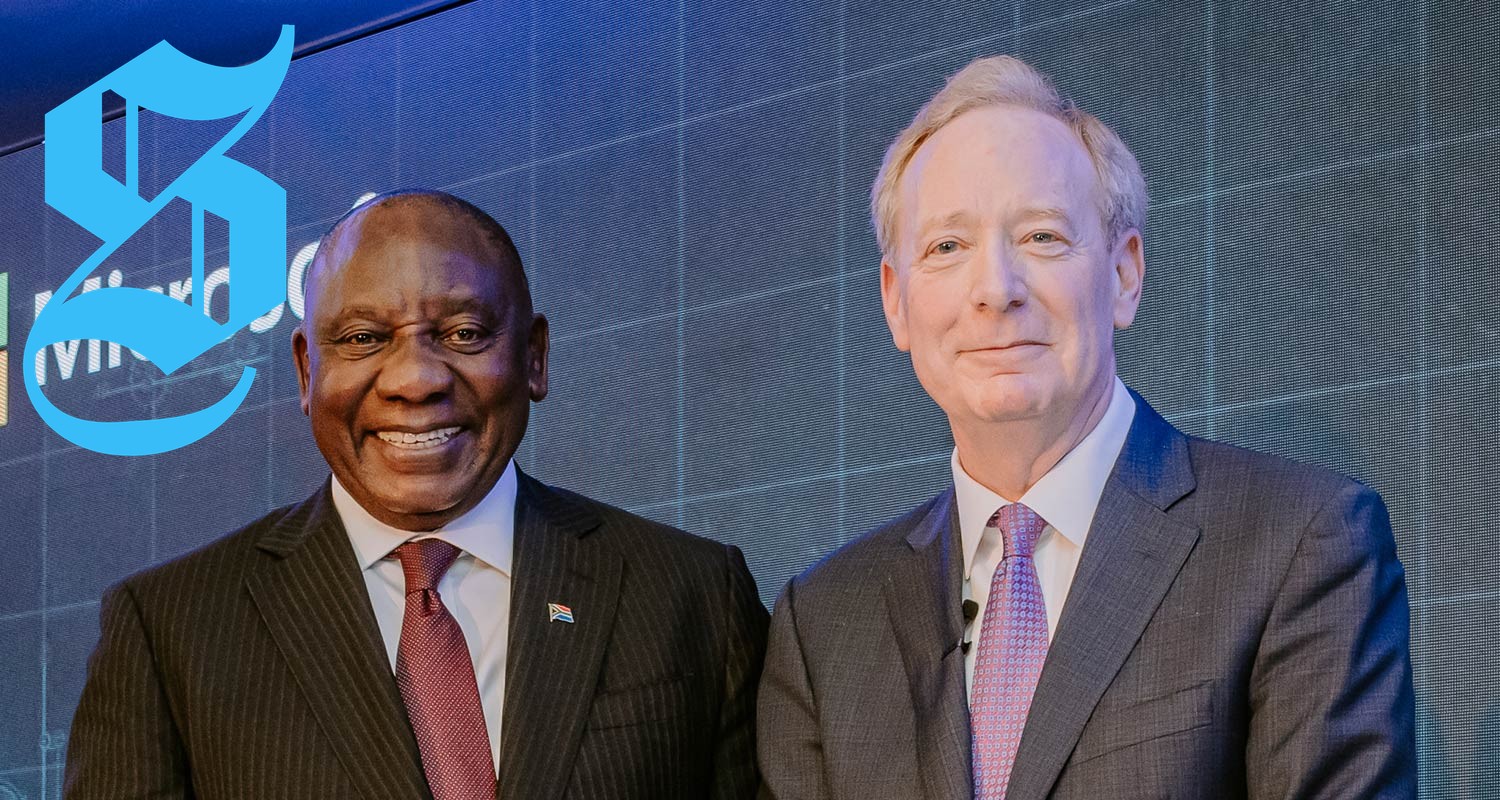
Brad Smith, President of Microsoft, recently made headlines by highlighting a stark and surprising comparison: AI currently faces fewer regulatory requirements than basic products like milk. In an interview with the BBC, Smith expressed the pressing need for global safety regulations tailored specifically for AI technologies. His statements reflect the growing consensus among industry leaders and policymakers alike that without structured oversight, AI could pose significant risks to society.
The Case for AI Regulation
“Right now, your washing machine is subject to more safety rules than AI. Every carton of milk that you see in the grocery store is subject to safety rules and inspection.”
Smith’s analogy underscores a crucial point: while everyday products whether food items or household appliances undergo strict safety checks and regulations, emerging technologies like AI operate in a regulatory grey area. He articulated a vision for comprehensive safety standards, suggesting that global entities must adopt an approach anchored in awareness and accountability. A significant proposal from Smith involves ensuring that if AI systems are breached, the affected individuals are notified, thereby introducing a principle of responsibility that is currently lacking in technology deployment.
Demands for Accountability
Beyond notification, Smith believes AI companies should also be mandated to produce formal “incident reports” upon system failures or breaches. This proposal reflects similar accountability measures already established across various industries, emphasizing that if human life and behavior can be regulated, so too should the rapidly evolving AI systems.
Understanding the AI Landscape Amid Social Media Reactions
In response to Smith’s remarks, social media has erupted with a mix of support and skepticism. Many users voiced approval for a structured regulatory framework, arguing that without oversight, the potential for AI to cause harm could far outweigh its benefits.
“If washing machines have more regulations, it's high time AI did too. We are playing with fire.”
On platforms like Twitter, tech enthusiasts and critics alike engaged in heated discussions, often expressing fears regarding the unchecked rise of powerful AI systems. Users pointed to examples of AI failures that resulted in real-world consequences, such as biased algorithms, privacy invasions, and even job displacement.
“The ethical implications of AI need serious consideration. If we wait too long, the damage could be irreversible.”
However, there were also voices of skepticism, suggesting that some calls for regulation may stem from corporate agendas aimed at stifling competition.
“Big tech wants regulations to make it harder for small players to compete. Don't be fooled!”The possibility that industry insiders might advocate for regulation not merely out of altruism, but rather to solidify their dominance, is a growing concern within the tech community.
The Global Call for AI Safety Standards
As debates over AI regulation heat up, tech companies such as OpenAI and Anthropic have begun to disclose instances of unwanted or harmful behavior exhibited by AI agents, attempting to navigate this contentious landscape. This self-disclosure has sparked a broader dialogue about the ethical deployment of AI and the necessity for legal frameworks to safeguard society.
Britain's Role in Shaping AI Regulation
Smith specifically highlighted the United Kingdom’s pivotal role in spearheading global AI regulation, particularly pointing to the creation of the AI Security Institute. Established under the aegis of former Prime Minister Rishi Sunak, Britain perceives itself as uniquely positioned to lead the charge in the realm of AI oversight. This institute operates under voluntary agreements that allow it to evaluate the capabilities and risks associated with major AI models before deployment.
“We know how to do this for other products,” Smith asserted. “We should build on that knowledge and think about how to apply it to AI.”
In contrast, the Washington perspective sees London as a favorable partner for regulatory dialogue, viewing the EU’s approach—characterized by more stringent risk-based regulations—as less collaborative. As AI Minister Kanishka Narayan indicated, Britain remains open to revisiting its regulatory framework in the face of emerging challenges, assuring that if the current guidelines prove insufficient, reevaluation will follow.
The Global Consensus on AI Oversight
The conversation surrounding AI regulation is not contained to Britain or America; it has become a global issue. Countries around the world are scrambling to formulate policies that balance innovation with safety. The rapid advancements in technology underscore the need for international cooperation in establishing frameworks that not only protect citizens but also promote ethical AI development.
As the discussion evolves, industry leaders, policymakers, and civil society must collaborate to ensure that AI is developed and deployed responsibly. It is crucial to ask: How do we protect our values while fostering innovation? The answer may lie in striking a balance that encourages creativity and development while safeguarding public interests.
The Path Forward
Ultimately, Brad Smith’s powerful statements highlight a critical juncture in the ongoing dialogue about AI regulation. With technology now driving nearly every facet of life, it is imperative that regulatory bodies step up their efforts to establish frameworks that ensure technology serves society rather than endangering it.
The conversation around AI safety regulations is only just beginning, but with momentum building, it remains to be seen how the global landscape will adjust to accommodate both innovation and accountability.



No comments yet. Be the first to share your thoughts!