
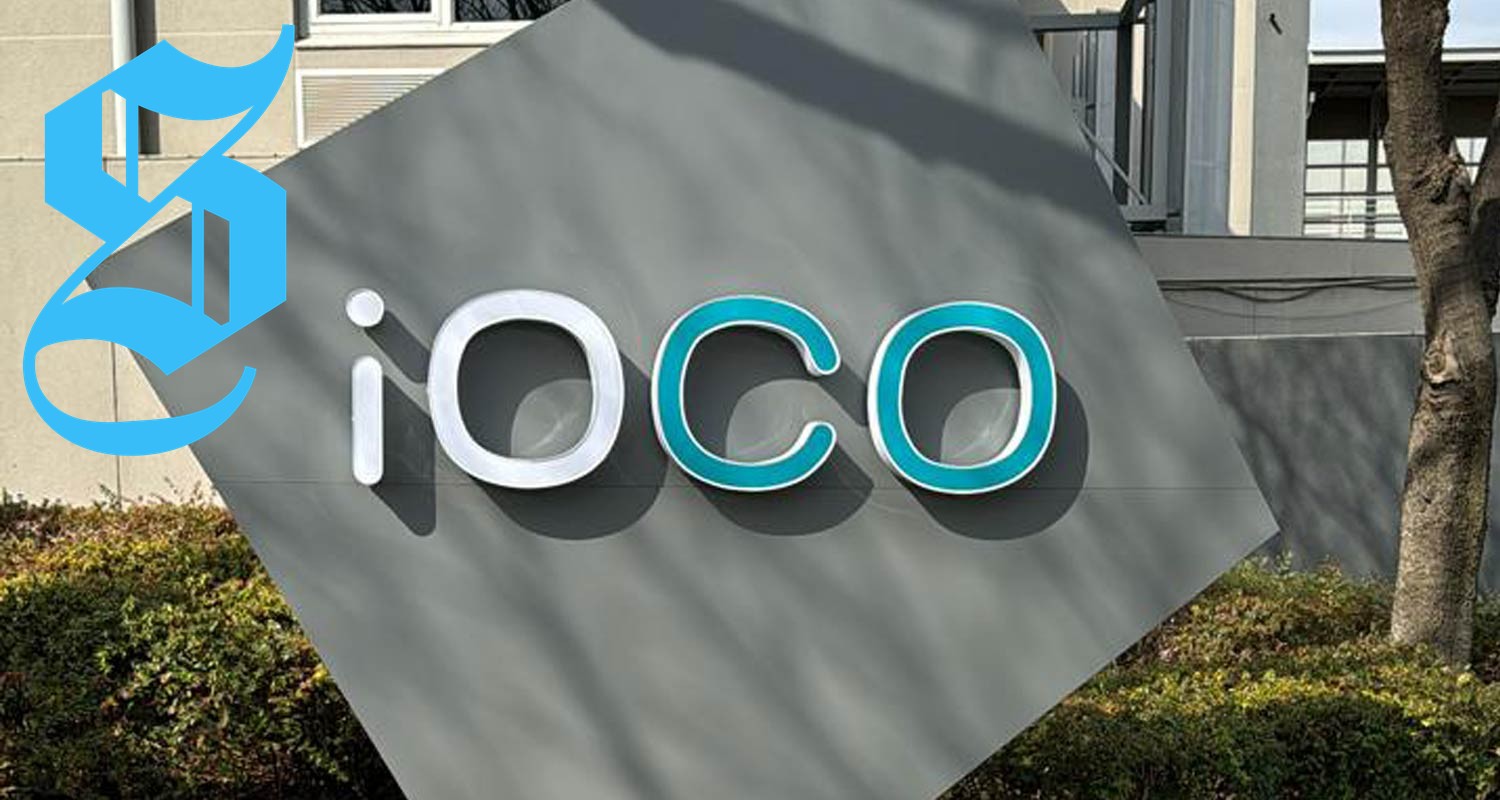
Dividends are out, buybacks are in. This is the clarion call from Rhys Summerton, the charismatic CEO of iOCO, South Africa's leading IT services company. At a recent interview, Summerton made it abundantly clear that as long as he leads iOCO, there will be no dividends, but substantial investments in share buybacks that could potentially slash the share count by as much as 20%.
“We won’t pay dividends as long as I’m involved in iOCO, but we will do buybacks,” Summerton asserted. This provocative statement came shortly after the company disclosed a remarkable 39% surge in annual profit, albeit accompanied by a notable 44% dip in operating cash flow, raising eyebrows among financial analysts and investors alike.
“Your shareholders take the dividends and then they go sell your share afterwards, and then they’re gone.”
Summerton's strategy is grounded on the belief that share buybacks foster a more loyal shareholder base. He emphasizes that dividends often entice shareholders to exit after pocketing their earnings, which dilutes commitment to the company’s long-term vision. This perspective is further illustrated through a parable that he shared during the interview.
A Lesson in Loyalty
“It’s like a pastor,” he explained. “He’s got 100 people in his congregation, and 80 of them support him, and 20 of them throw naartjies at him every Sunday. If he can get rid of those 20, then he’s going to have 80 loyal congregants.” In this analogy, the 'naartjies' metaphorically represent shareholders who might not have faith in the company's long-term strategy. Their exit after dividends fail to encourage a loyal corporate community. Thus, buybacks are designed to eliminate the transient investors and hopefully lead to a more steadfast constituency that believes in the enterprise's growth potential.
Summerton’s ambition for iOCO is ambitious, especially when considering the financial implications of share buybacks. With a projected revenue of R650-million in the next year, he intends to channel these funds into acquisitions and repurchasing shares to shrink the company's overall share count from approximately 620 million to about 500 million. The financial commitment to buy back shares is daunting; current market evaluation suggests that buying back 120 million shares could cost around R460 million—most of the cash he anticipates for the year.
Financial Performance Metrics
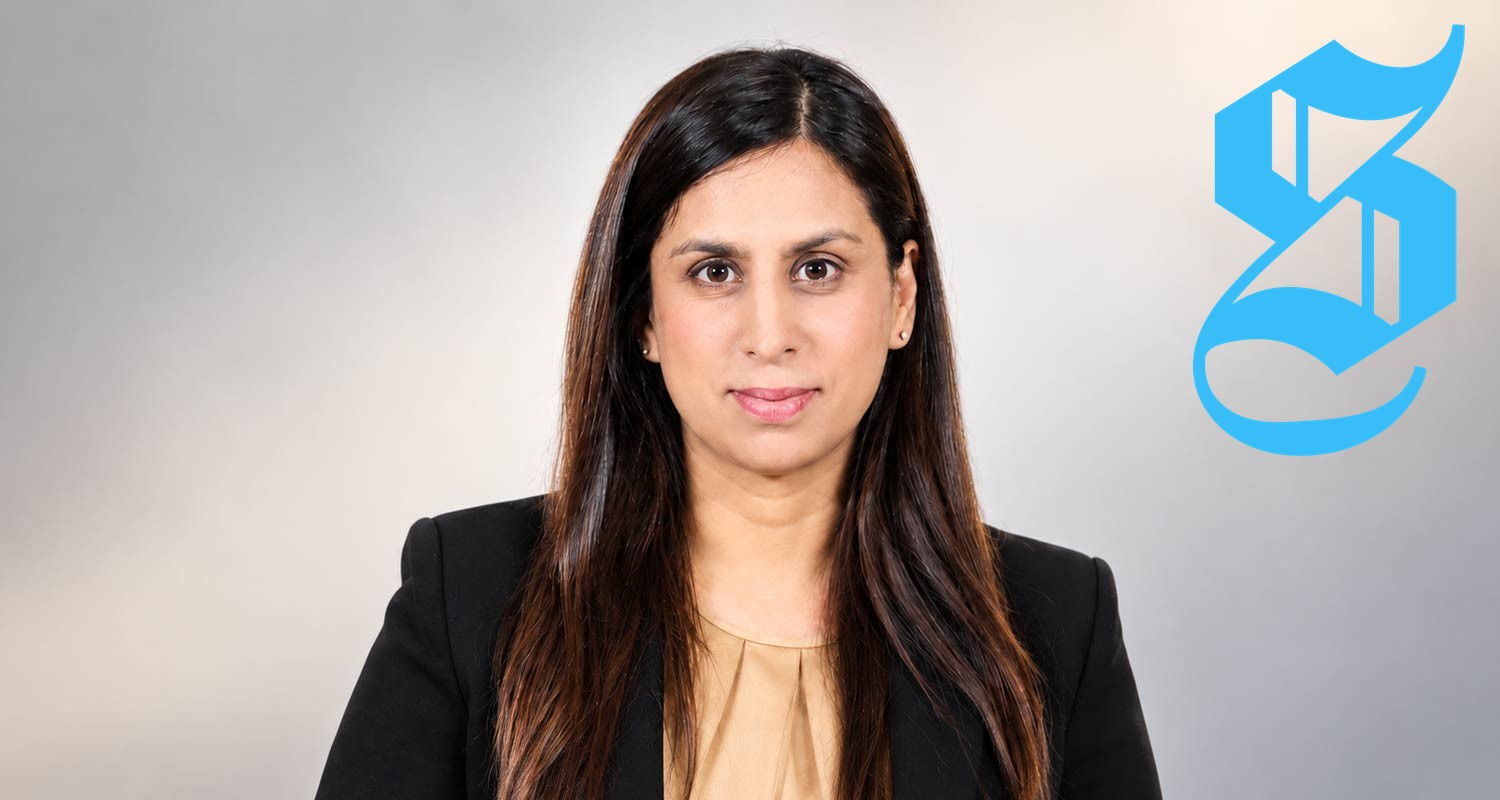
The financial landscape for iOCO is complex, showcasing both challenges and opportunities. While the company's total revenue from core operations fell by 6.6%, hardware sales surprisingly enjoyed a significant uptick, rising by 50%. This dichotomy raises questions about the company's future direction. Are they transitioning into a reseller model? According to Ashona Kooblall, iOCO’s Chief Financial Officer, it’s a bit nuanced. “Yes and no,” she concurred, acknowledging that while they were seizing opportunities presented by the hardware space, the company remained committed to providing end-to-end infrastructure and services.
“We did make an executive decision to pay our creditors on time.”
Alongside hardware sales, iOCO has been prudent in managing its debt, showcasing a significant reduction of nearly R1 billion since 2023, bringing interest-bearing debt down to R607 million. This strategic move positions iOCO favorably to handle its obligations and invest in growth initiatives. Summerton's strategy seems to favor direct investments in company growth over returning profits to shareholders, highlighting a potentially bold shift in corporate culture.
Challenges in Cash Flow and International Ventures
Despite these positive moves, the company still faces challenges regarding cash flow, especially given that 80% of its monthly operational costs arise from payroll—funds that must be paid up front while client payments are often delayed. This has resulted in balancing payment terms against client satisfaction and revenue protection. In the past, slow payments plagued the company’s credibility, but under Summerton’s leadership, a conscious effort has been made to rectify this, ensuring that creditors are paid punctually.
Additionally, iOCO's international operations have not fared as well recently, with adjusted earnings before interest, tax, and depreciation falling by a third, sparking questions about the company’s overseas strategy. Kooblall pointed out that factors such as a stronger South African rand have negatively impacted revenue and the ongoing geopolitical turmoil in the Middle East has delayed government spending on IT solutions, thereby squeezing profits.
A Look Ahead
Looking to the future, iOCO is setting ambitious targets. Summerton mentioned that the group won R2.1 billion worth of new contract work in the preceding financial year, a promising indicator amid the complexities of their operational landscape. He further stated that while there has been a setback in international revenues, there are signs of a potential recovery, with double-digit growth aims for the international segment.
Intriguingly, Summerton has opted to forgo a salary in FY2026, aligning his financial interests directly with the performance of the company’s share price. He commented about the unconventional setup: “Obviously I’m a 10% shareholder in the company, and we have an unconventional structure at iOCO,” placing his earnings squarely on capital appreciation rather than fixed salaries.
As the landscape of corporate governance continues to evolve, iOCO’s approach under Summerton may not just redefine how companies value returns to shareholders but could also impress upon future leaders the importance of commitment and loyalty among shareholders. The stakes are high, and only time will tell if Summerton's naartjie theories and buyback approach will nourish a thriving and sustainable corporate entity.
While corporate methodologies and shareholder agreements may differ, it’s the boldness of vision, as portrayed by Rhys Summerton, that injects a refreshing perspective into traditional business practices, potentially revolutionizing aspects of how companies engage with their investors in the modern age.
As the financial community looks on with curious skepticism, Summerton’s bold strategy may serve as a groundbreaking case study in drawing clear lines between investment and commitment in the corporate arena.



No comments yet. Be the first to share your thoughts!